
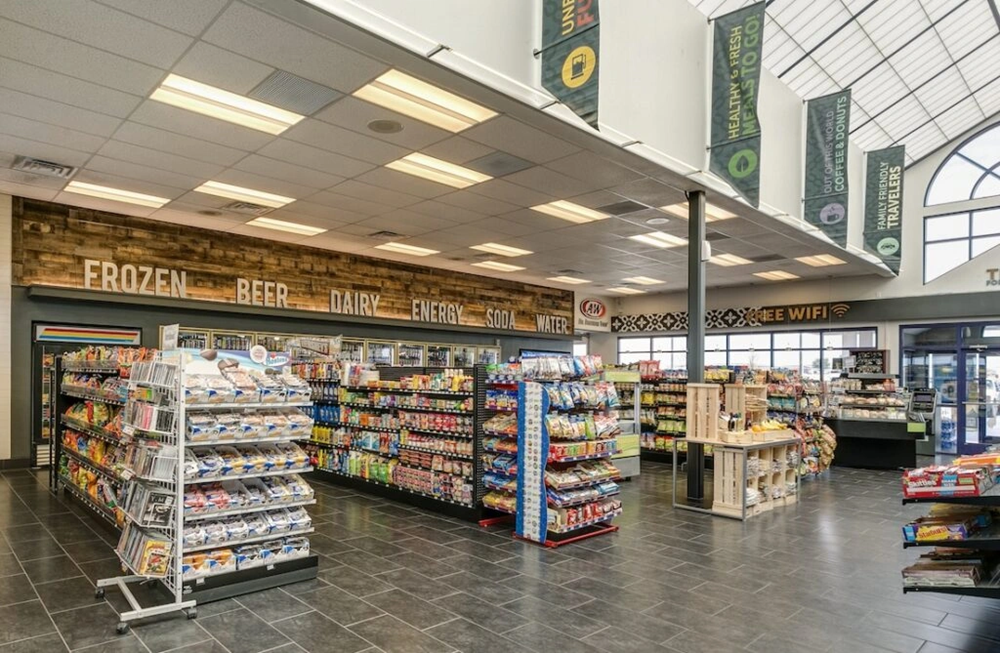
Gondola shelving remains one of the most versatile fixtures in retail environments worldwide. Customers browse aisles in supermarkets, clothing stores, and pharmacies while shopping from gondolas without realizing it. These shelving units started as wooden structures designed for heavy items like canned goods and flour sacks, and they have evolved substantially over time. Modern gondola shelves serve as the backbone of store layouts in grocery, clothing, pharmacy, hardware, and bookstores, as well as warehouses and storage facilities.
Gondola shelving’s versatility shines through its adaptable configurations. Store owners select between single-sided or double-sided units based on their layout needs and arrange them in rows, aisles, or islands to maximize floor space. The heights typically range from 36 to 96 inches, depending on shelf requirements, and a standard load capacity of 200 pounds proves sufficient for most retail products. Any retail operation benefits from this flexible shelving system as an essential investment.
This piece helps store owners find everything about gondola shelving in retail—from simple definitions to selection criteria, installation tips, and maintenance best practices.
What is a Gondola in a Retail Store?
Store fixtures are the foundation of creating effective shopping environments in retail. Gondola shelving stands out as one of the most important ways to display and make products accessible to customers.
Definition of gondola shelving in retail
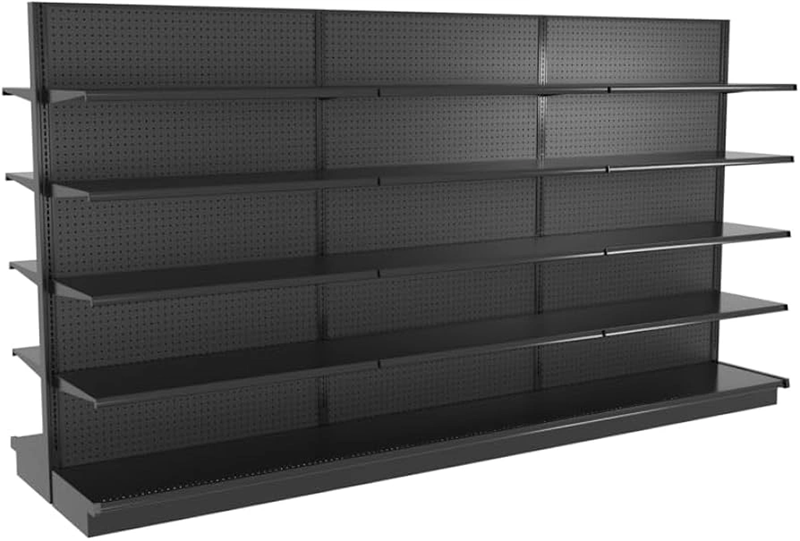
A retail gondola is a free-standing display unit that serves as the backbone of most store layouts. These structures don’t need wall attachments, which gives stores complete flexibility in their arrangement. A typical gondola has these main parts:
- A sturdy base deck for stability and ground-level merchandise
- A vertical back panel (which can be solid, pegboard, or slatwall)
- Adjustable shelving on both sides
- Optional header signage for branding
The self-supporting nature makes gondola shelving unique. These units stand on their own on the sales floor and create pathways throughout the store. Retailers can change their layout with the seasons, try new traffic patterns, or grow departments without any construction.
Gondola shelving turns empty floor space into productive merchandising areas. A standard 4-foot gondola run gives about 64 square feet of display surface when you count both sides and multiple shelf levels. This amazing space efficiency explains why you’ll find gondolas everywhere in retail.
The modular design is another great feature of gondola fixtures. Store owners can join multiple units to create continuous aisles or use them as standalone displays. The shelves can be adjusted to fit products of different sizes, which makes gondolas work well for all types of merchandise.
Gondola meaning in retail vs general usage
Most people think of fancy boats in Venice’s canals when they hear “gondola.” The retail world uses this word very differently to describe these important shelving structures. People outside retail often get confused by this industry term.
A retail gondola is all about function, unlike its namesake boat. Both share a long shape, but retail fixtures focus on durability, display features, and using space well rather than looking beautiful or moving things around.
Gondola shelving is different from other retail fixtures. Warehouse shelving helps manage inventory in back rooms, while gondola shelving helps involve customers and boost sales. Warehouse shelves focus on storage space and staff access, but gondola units improve brand presentation through:
- Clean, uniform finishes suitable for customer-facing environments
- Support for price tags, shelf talkers, and promotional signage
- Integration of lighting and branded header panels
Gondola shelving works differently from wall shelving in its placement and access. Wall shelves mount directly to perimeter walls with one-sided displays, but gondolas create the store’s interior structure with access from both sides. This means gondolas give you twice the display area, though they need their own floor space.
Retail stores of all types use gondola shelving—from grocery stores and pharmacies to bookstores and electronics shops. They’re popular because they work so well and last a long time. Modern gondolas use steel frames that can hold heavy loads while still being easy to adjust.
Store owners who want to make the most of their retail space should start by learning about gondola shelving. These fixtures determine how customers move through a store and affect how well they can see and reach products, which affects sales.
How Gondola Shelving Evolved in Retail
The history of retail fixtures shows how shopping experiences have changed over time. Metal gondola shelving played a vital role in changing how customers interact with products and how stores use their space.
Origins in early self-service stores
Gondola shelving came to life in the early 20th century when retail methods started to change. Shopping used to happen over the counter, where store clerks would get items for customers from behind barriers. This personal service style didn’t let customers browse or find products on their own.
The rise of self-service retail created a need for new display solutions. Store owners wanted their customers to browse and pick products directly. They needed fixtures that could:
- Hold different types of products
- Let customers reach items from any side
- Fit various store layouts
- Support product weight without staff help
The first self-service stores tried simple shelving designs. They often turned existing furniture into displays or built custom wooden structures. These early gondolas marked a big change in retail history. The power moved from shopkeepers to shoppers through direct access to products.
The first gondolas focused on function rather than looks. They had one job – to show products while making the most of floor space. Frederick Sage & Company created some of the first special gondola units for Sainsbury’s stores in the UK. These units had smart features like stainless steel leg sleeves for easy cleaning and special end spaces for promotions.
Self-service stores changed their back-room operations too. Product weighing and packaging moved away from customer view. This change got pricey for stores at first because they needed more staff and equipment. Later, manufacturers started packaging goods before delivery, which made things easier.
Transition from wood to metal structures
Wood was the main material for early gondola shelving. It gave stores a warm, rustic feel. These wooden structures worked well for heavy items like canned goods and flour sacks in the first self-service grocery stores. All the same, as stores needed more from their displays, wooden fixtures showed their limits.
The mid-20th century brought a big change in how gondolas were built. Steel became the top choice for several good reasons:
- Better durability – Metal lasted longer in busy stores than wood
- More flexibility – Steel parts were easier to adjust and move around
- Higher weight limits – Metal shelves held heavier products without bending
- Faster production – Better metalworking methods led to standard units
The switch from wood to metal changed how stores displayed products. It led to more flexible layouts and better product presentation. Metal gondolas took over the market because they were tough and could hold more weight. Good quality metal systems with strong tubular steel stayed stable even in busy stores.
Stores began to see how important looks and visual merchandising were. Manufacturers started making fancier designs that worked well and looked good too. Gondola shelving became more than storage – it helped express brand identity and shape customer experience.
The retail shelving and rack market keeps growing. From $12.80 billion in 2023, it might reach $19.50 billion by 2033. These numbers show how important gondola fixtures are in today’s stores.
Modern gondola shelving has come a long way from those early wooden structures. Today’s units come in many materials besides metal, including wood, glass, and mixed materials, with different finishes to match store designs. Stores want shelving that’s sustainable, modular, and customizable. They focus more on eco-friendly materials and smart technology for keeping track of inventory.
Key Benefits of Using Gondola Shelving
Store owners look for fixtures that give them the best return on investment. Gondola shelving systems have earned their spot as the “workhorse” of retail displays. These versatile structures boost both operational efficiency and customer experience.
Versatility across product categories
Gondola shelving works well in retail stores of all types. You’ll find them in grocery stores, pharmacies, hardware stores, and clothing shops, holding items of every shape and size. This flexibility comes from several design features:
- Adjustable configurations: You can change heights and depths to fit different types of merchandise, so retail spaces match the needs of various products
- Complementary accessories: Add-ons like hooks, wire baskets, shelf dividers, and signage holders boost what these shelves can do
- Multiple display options: The shelves work with individual items, product cases, custom displays, or retail-ready packaging to meet different presentation needs
This built-in flexibility lets retailers show everything from small, packaged items on pegboard gondolas to large supermarket goods on deeper shelves. Stores can easily rearrange displays for seasonal changes, promotions, or new product lines without buying new fixtures.
Improved product visibility and accessibility
Gondola shelving makes it easier for customers to see and reach merchandise. The open design helps shoppers find more items to buy and makes shopping more enjoyable. You can place products strategically through:
- Eye-level positioning: High-demand or high-margin items at eye level sell better
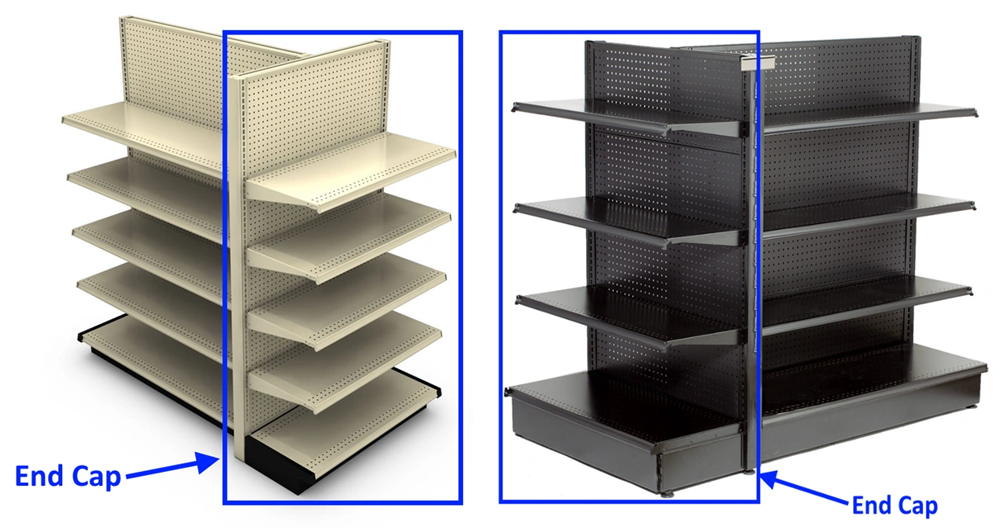
- End cap utilization: End caps work great for seasonal, promotional, or high-margin products that catch customer attention
- Vertical merchandising: Products arranged vertically create a complete display that leads customers through related items
Well-designed gondola displays help customers find what they want while showing them complementary products. Shoppers save time and stores make more money through cross-selling opportunities.
Efficient use of floor space
Gondola shelving turns limited retail space into highly productive selling areas. These fixtures make the most of available space by:
- Vertical utilization: Stacked shelves use minimal floor space while offering plenty of display area
- Double-sided design: Merchandise shows from both sides, giving twice the display space of wall fixtures
- Efficient shopping zones: Small areas become useful shopping spaces with smart gondola placement
- Compact footprint: A standard gondola run gives about 64 square feet of display surface counting both sides and shelf levels
This space optimization works great in busy stores where you need lots of products without creating crowded aisles. Free-standing gondolas also let stores try different traffic patterns or grow departments without changing the building structure.
Gondola shelving saves money, too. The original cost stays low compared to custom fixtures, and bulk purchases often mean better deals. Made from strong steel, quality gondolas handle heavy loads and daily wear. They last longer, which saves money on replacements.
Store owners who want to boost customer engagement and run efficiently should look at gondola shelving. It offers the right mix of flexibility, visibility, and space use.
Types of Gondola Shelving Units Explained
Modern retail stores use different types of gondola shelving units. Each unit serves a specific purpose and helps create better store layouts. A well-planned layout can boost sales and make shopping easier for customers.
Wall gondola shelving for perimeter displays
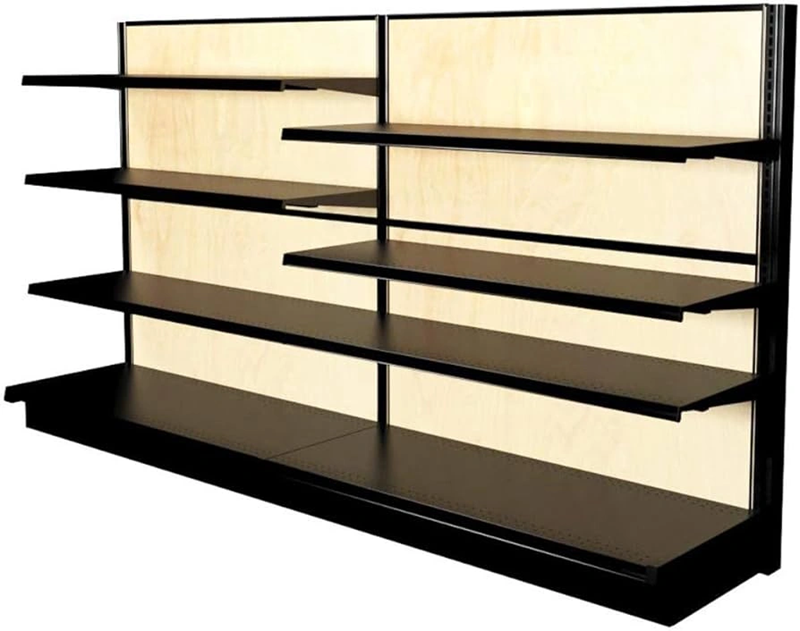
These single-sided units sit against walls and make the most of vertical space for displaying merchandise. Wall gondolas turn empty wall areas into clean, organized backdrops that shape the entire shopping space. The fixtures come with different backing panels—solid, slotted, or perforated—based on what you need to display and the types of hooks or accessories you’ll use.
Wall gondola shelving works best for products that don’t need much floor space, like books, magazines, or stationery items. These units usually run along the full length and height of walls. They create consistent visual borders that define the store’s edges. Creative Store Solutions offers wall gondolas from 36″ to 96″ in height, which fits different ceiling heights and display needs.
Island gondola shelving for central aisles
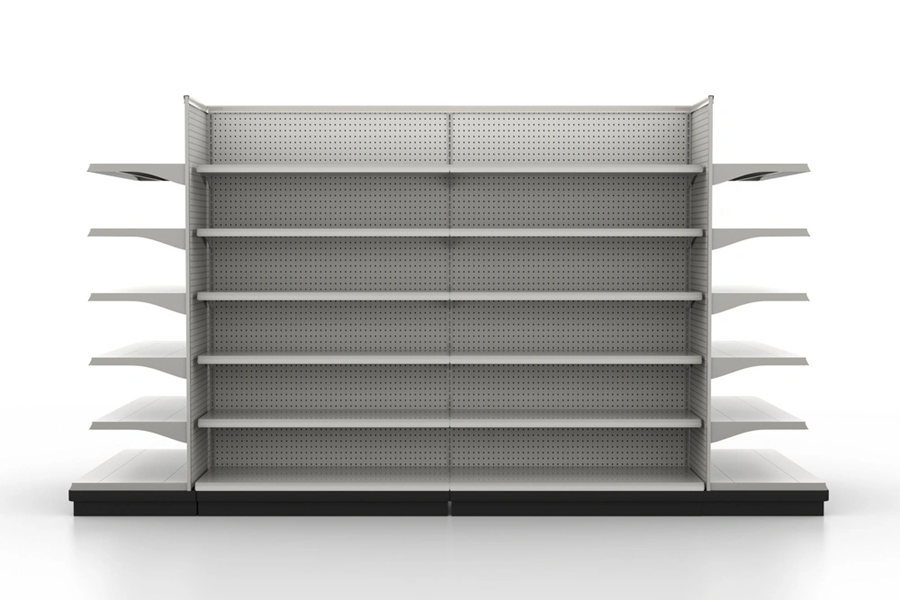
Island gondolas are the core of most store layouts. These double-sided, free-standing units sit in central floor areas. Customers can reach products from both sides, which doubles the display space compared to wall units. They create neat aisles where shoppers can find their way through merchandise.
These units shine when displaying products that need lots of space and attention, such as clothing, shoes, and accessories. When placed strategically, they become focal points that draw customers from every direction and help control store traffic. You can connect island units to form longer aisles, creating clear paths that lead shoppers through different departments.
End cap gondolas for promotions
End cap gondolas might be the most valuable retail space. These single-sided fixtures stand at aisle endings and are usually 3′ or 4′ wide. They match the height of nearby shelving to maintain visual flow. End caps create eye-catching spots that work great for promotions, new items, or seasonal products.
Research shows that end caps can boost product sales by up to 300% compared to regular aisle spots [18]. This big boost comes from their prime location at transition points where shoppers naturally pause while moving through the store. They mark the boundaries between departments or product categories and create natural stops where people often make impulse buys.
Wire gondola shelving for lightweight items
Wire gondola shelving offers a great option for items that need better visibility and air flow. These special units have wire mesh back panels that hold various baskets, bins, and hooks. Light passes through the open design, creating bright displays that show products from every angle.
These units work best with lightweight items and can hold about 30 pounds. They’re perfect for snacks, candy, produce, and similar items that need organized but easy access. Wire candy shelves often have a 2-inch front lip and can sit flat or at a 15-degree angle to show products better.
Wire gondola shelving works well beyond food items. You can use them for toys, craft supplies, and other loose or oddly shaped merchandise. The practical design lets customers see products clearly while keeping everything neat and organized.
Design Factors That Impact Gondola Performance
Retailers need to think about several design factors when choosing the right gondola shelving. The success of these retail fixtures depends on smart planning of physical dimensions, configuration, and aesthetics. These elements directly affect product visibility and how customers interact with the store.
Height, width, and depth considerations
The size of gondola units affects both product visibility and how customers move through the store. Standard heights range from 48 to 96 inches (4-8 feet). This lets retailers pick between lower units that keep sight lines open or taller ones that use vertical space better. Low profile units (48-60 inches) work best in convenience stores where customers need to see across aisles. Medium height units (60-72 inches) strike the right balance for most retail stores.
Each section measures 2 to 4 feet wide, with 3-foot sections being the most popular choice in standard retail stores. These measurements determine the amount of merchandise on display and set the pace of shopping aisles.
Shelf depth varies between base and upper levels:
- Base shelves run 14-24 inches deep to stay stable and hold heavier items
- Upper shelves measure 10-16 inches deep and get narrower toward the top
This stepped design keeps products in clear view at every level and prevents shadows on lower shelves. Different stores need different shelf depths – hardware stores need deeper shelves for tools, while boutiques do better with shallow shelves for smaller items.
Single-sided vs double-sided configurations
The choice of single or double-sided gondolas shapes the store’s layout and customer traffic flow. Single-sided units work best against walls and create a smooth look along store edges. These units save floor space, making them perfect for smaller shops or narrow layouts.
Double-sided gondolas stand as centerpieces in store design and create separate aisles or islands in open areas. These units display twice as much merchandise as wall-mounted ones since customers can access them from both sides. Large stores and supermarkets use this setup to display more products in less space.
Most retail stores use both types together effectively. Small and medium stores usually put single-sided units along walls with some double-sided islands in the middle. Larger stores rely more on double-sided runs to create clear shopping paths.
Color and finish customization options
Colors and finishes play a big role in making gondola shelving attractive and brand-friendly. Standard colors include oyster gray, sahara beige, and snow white – classic choices that work well with any merchandise. Stores looking to make a bigger impact can choose from spectrum red, hunter green, neon blue, and satin black.
The quality of finish affects the looks and durability. Options start with basic painted surfaces and go up to premium powder-coated finishes that resist scratches and wear better. Some manufacturers also offer special laminate coverings for better looks and protection.
Smart color choices help stores:
- Make merchandise stand out against shelving
- Match brand colors throughout the store
- Mark different departments clearly
- Draw attention to sale areas with bright colors
Many retailers mix contrasting colors to create visual interest. Popular combinations include snow white shelving with spectrum blue trim or hunter green units with satin black kick panels. These color combinations catch the eye without taking attention away from the merchandise.
How to Choose the Right Gondola for Your Store
The right gondola shelving can make or break a retail store’s success. Store owners face many choices, and they need a full picture of their merchandise and space needs to make the best decision.
Matching shelving to product size and weight
Your merchandise type dictates the shelving configuration you’ll need. Here’s what works best for different products:
- Heavy items need deeper shelving (16-25 inches) with reliable load ratings
- Chips and snacks do better with basket shelves or 15-inch deep medium-duty flat shelves with front fencing
- Candy and energy bars sell well on 13-15 inch deep tilt shelves with front fencing
- Groceries and sundries work great on 15-inch medium-duty flat shelves
A flat standard gondola shelf can hold up to 500lb. You might want specialized setups for wine, liquor, or automotive products that match their weight requirements. Glass shelves showcase delicate items beautifully, while metal options handle bulkier products better.
Space planning and store layout alignment
We measured the total usable floor space first, leaving out door swings and POS stations. The layout should let customers move freely without hitting dead ends or tight corners. A space of 1.2 meters between gondolas lets two people pass comfortably.
Gondolas should guide your customers naturally through the store. These fixtures can lead shoppers through each department in a planned sequence. Start by drawing a scaled floor plan with all entrances, exits, and checkout areas marked. You can test different layouts by marking positions with tape before you place your final order.
Balancing cost with durability
Your gondola shelving is an investment in your store’s future. Cheap options might look good now, but cost more down the road. Quality shelving lasts longer, needs less upkeep, and ends up saving money.
Here’s what matters most:
- Material quality (steel lasts longest)
- Finish type (powder-coating fights off chips and scratches better)
- Adaptability (shelves that work with multiple types give you more value)
- Manufacturer reputation (big brands back their products better)
Smart store owners see gondola shelving as a long-term asset. Quality fixtures show customers you care about your store and their shopping experience. You’ll find standard gondolas with powder-coated finishes in charcoal, platinum, and silver that stand up to cleaning chemicals and resist corrosion.
Note that gondolas do more than just hold products. They create an environment that encourages engagement to maximize both space use and sales potential.
Installation and Maintenance Best Practices
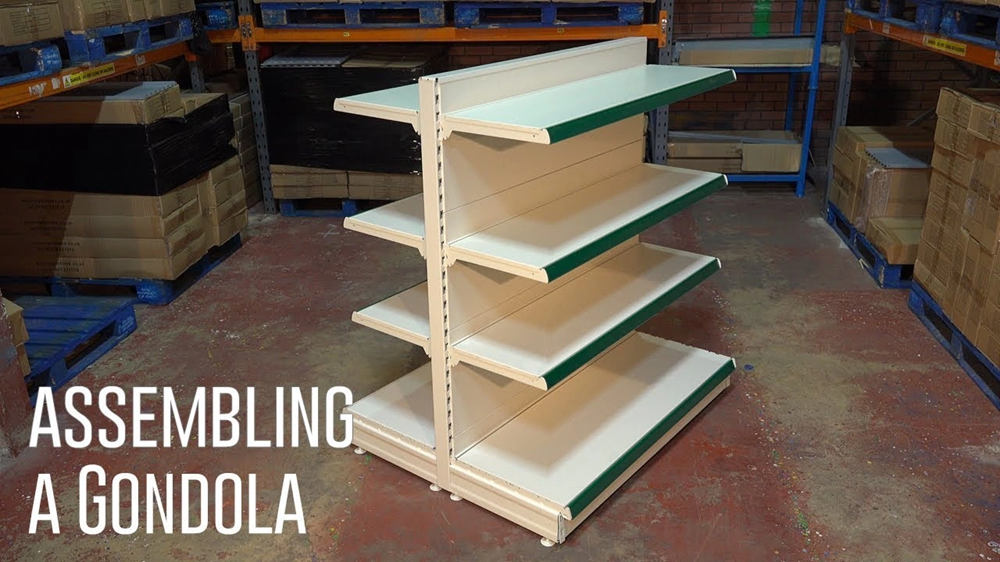
A well-installed and maintained gondola shelving system will last longer, stay safe, and work better in retail spaces. Your best bet is to stick to what the manufacturer says. This way you’ll avoid structural problems and safety issues that can get pricey to fix.
Step-by-step installation process
Start by taking careful measurements of your retail space and draw up a blueprint of how you want things laid out. Before you start putting things together, place all your unpacked gondola parts where they’ll eventually go. This makes the installation process much smoother.
Here’s how the installation usually goes:
- Install base brackets to the upright posts, ensuring the latch tabs properly engage with the uprites
- Attach bottom rails between posts, followed by center rails for taller units
- Install back panels according to height specifications (different panel combinations for 54″, 60″, 72″, 78″, 84″, and 96″ units)
- Add base decks and shelves, making sure base end trim is installed beforehand
- Install top rails and upright end trim
Wall sections need proper anchoring. Each wall type needs its own mounting method: concrete walls need concrete wedge anchors, wood stud walls need lag screws at each stud, and metal stud walls need self-drilling screws.
Tools and materials checklist
You’ll need these items to install your gondola system:
- Measuring tools: tape measure and level
- Hand tools: screwdriver, drill, and hammer
- Fasteners: screws, nuts, bolts, washers, and anchors
- Assembly components: brackets, base shelves, back panels, and shelf accessories
Important safety note: Complex configurations should be installed by professionals. Wrong assembly could cause the structure to fail.
Cleaning and inspection routines
Your gondola shelving will look better and last longer with regular maintenance. Here’s what you should do:
Clean with soft cloths or microfiber dusters and mild cleaning solutions that work well with your shelving materials. Skip the harsh cleaners – they’ll damage your surfaces and finishes.
Look out for signs of wear when you inspect. Check for bent shelves, damaged brackets, loose parts, or surface problems. Wobbly shelves are common because gondola shelving can be adjusted often, so tighten all bolts and brackets regularly.
Check weight capacities every three months and tighten bolts twice a year. Humid spaces need corrosion checks every three months, while yearly checks work fine in dry areas.
Shelf liners, guards, and containment trays can protect your shelving from leaky products. These accessories will keep both your shelving and the surrounding area safe from damage.
Technical Specifications and Customization Options
Technical details shape how well retail shelving solutions work and last. Store owners need to understand precise specifications before they invest in gondola systems, beyond simple design choices.
Standard dimensions and load capacity
Gondola heights range from 48 inches in checkout areas to 96 inches in warehouse stores. Most supermarkets use 72-inch units as their standard. Base shelf depths vary from 16 inches for health and beauty items to 24 inches for bulky merchandise. Upper shelves measure between 10 inches for small products and 19 inches for larger items.
Standard base shelves measuring 48″×22″ support 400-450 pounds. Upper shelves can handle less weight—a typical 48″×13″ shelf holds 150-175 pounds. The capacity of suspended shelves decreases as width increases. These shelves range from 605kg for 30cm shelves to 261kg for 80cm shelves.
Custom accessories: hooks, bins, dividers
Many accessories improve gondola functionality beyond standard shelving. Pegboard hooks display hanging merchandise at prices between $4.94-$8.00. Dump bins showcase loose items or promotional products. Product categories stay organized with shelf dividers.
Signage elements, front fencing for angled shelves, and specialized holders for specific merchandise types offer more customization options. These components turn simple shelving into tailored merchandising solutions.
Painted vs powder-coated finishes
Powder coating proves more durable than traditional paint. The powder-coated finishes resist scratches, moisture, corrosion, and chemicals better, despite higher original costs. The powder coating process uses electrostatic application and heat curing to create a thicker, more consistent surface.
Available colors include neutral tones like oyster white, beige, and gray, along with vibrant options such as spectrum red and hunter green. Powder coating’s environmental benefits stand out with 95% transfer efficiency compared to paint’s 30-35% rate.
Conclusion
Gondola shelving is the life-blood of successful retail environments and gives store owners exceptional versatility and functionality. Modern shopping experiences rely on these fixtures that evolved from simple wooden structures into sophisticated display systems. Retailers of all sizes find these shelves indispensable because they adapt to any product category, maximize space usage, and boost product visibility.
Store owners should think over several factors before choosing their gondola units. The right configuration depends on product weight needs, store layout, and floor space availability that substantially affect results. Wall units with single sides maximize displays along walls, while island fixtures with double sides create optimized shopping aisles that direct customer flow. Sales of featured items can surge through strategic use of end caps that provide premium promotional space.
Quality gondola systems last longer and stay safer with proper installation and regular upkeep. Structural integrity depends on following manufacturer’s guidelines during assembly. The fixtures and merchandise stay protected through routine cleaning and inspection protocols. Load capacity, dimensions, and finish types are vital specifications that determine shelf performance as time passes.
The visual elements of gondola shelving need equal focus. Retailers can strengthen their brand identity and create eye-catching displays through thoughtful color and finish choices. Though powder-coated finishes cost more up front, they outlast traditional paint and need less maintenance, which justifies the investment.
These versatile fixtures have earned their place as retail merchandising’s foundation. Empty floor space becomes a productive selling area while creating accessible shopping paths that improve customer experiences. Success comes to store owners who grasp gondola selection, placement, and customization details. Quality shelving systems prove their worth through better sales, optimized operations, and flexibility to adapt as merchandise and retail trends change.
Key Takeaways
Understanding gondola shelving fundamentals empowers store owners to create more effective retail environments that maximize both space utilization and sales potential.
• Gondolas are free-standing retail fixtures that don’t require wall mounting, offering complete layout flexibility and doubling display capacity with double-sided access compared to wall units.
• Choose configurations based on your space and products – wall gondolas for perimeters, island units for central aisles, and end caps for high-impact promotions that can boost sales by up to 300%.
• Standard dimensions matter for functionality – heights range from 48-96 inches, with 72 inches being optimal for most stores, while load capacities reach 400-450 pounds for base shelves.
• Invest in powder-coated finishes over paint for superior durability against scratches, moisture, and chemicals, despite higher upfront costs that pay off through extended service life.
• Proper installation and regular maintenance are critical – follow manufacturer guidelines during assembly and establish quarterly inspection routines to prevent structural failures and ensure safety compliance.
When selected and implemented correctly, gondola shelving transforms retail spaces into organized, efficient shopping environments that guide customer flow while maximizing merchandise visibility and accessibility across all product categories.
FAQs
Q1. What exactly is a gondola in a retail store? A gondola is a free-standing display unit commonly used in retail stores. It consists of a base with a vertical spine and adjustable shelving on both sides, allowing customers to access products from multiple angles. Gondolas form the backbone of most store layouts, creating aisles and maximizing display space.
Q2. Why are these shelving units called “gondolas”? While there’s no definitive origin story, the most accepted theory is that these shelving units were named for their resemblance to the flat-bottomed boats of Venice. The long, freestanding nature of the shelves likely reminded early retailers of the iconic Venetian gondolas.
Q3. What are the advantages of using gondola shelving in a store? Gondola shelving offers several benefits, including versatility across product categories, improved product visibility and accessibility, and efficient use of floor space. These units can be easily reconfigured, allow for eye-level product placement, and transform limited retail square footage into highly productive selling space.
Q4. How do end cap gondolas differ from regular gondola shelving? End cap gondolas are specialized units positioned at the ends of aisles. They create high-visibility zones perfect for featuring promotional items, new arrivals, or seasonal merchandise. End caps can significantly boost sales, increasing product visibility by up to 300% compared to standard aisle placement.
Q5. What should store owners consider when choosing gondola shelving? When selecting gondola shelving, store owners should consider factors such as product size and weight, available floor space, store layout, and long-term durability. It’s important to balance initial costs with quality, as higher-grade materials and finishes like powder-coating can offer better longevity and resistance to wear and tear.