
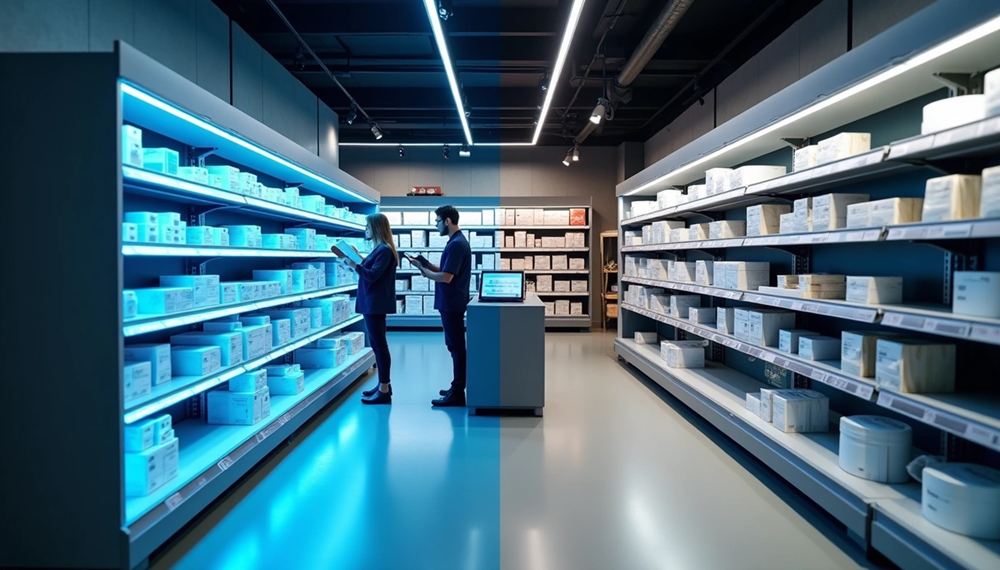
The smart shelf market continues to expand rapidly as retailers adopt automated processes across their operations. Smart shelves represent a substantial technological advancement in retail inventory management, with market value growing from $1.85 billion in 2022 to a projected $4.48 billion by 2030 at an annual rate of 11.7%. These innovative systems detect item removal or purchase through cameras, weight sensors, and other advanced technologies.
Traditional storage systems depend on manual checks and static displays. Smart shelving technology delivers up-to-the-minute inventory data transmission that helps retailers analyze and improve stock availability. Smart shelf systems with AI can predict future demand and give valuable insights into product placement and store layouts. Digital shelving serves as a strategic investment that combines online shopping convenience with the immediacy of in-store experiences. Retailers who implement smart shelf inventory management systems can reduce labor costs by up to 30% through up-to-the-minute replenishment and improve profit margins substantially.
Retail businesses must assess their storage options carefully in 2025. Understanding cost differences between smart shelf solutions and traditional systems is vital. This piece explores the original investment requirements, long-term savings potential, and operational efficiencies of both approaches to help retailers make informed decisions about upgrading their inventory management systems.
Smart Shelf vs Traditional Storage: Core Differences
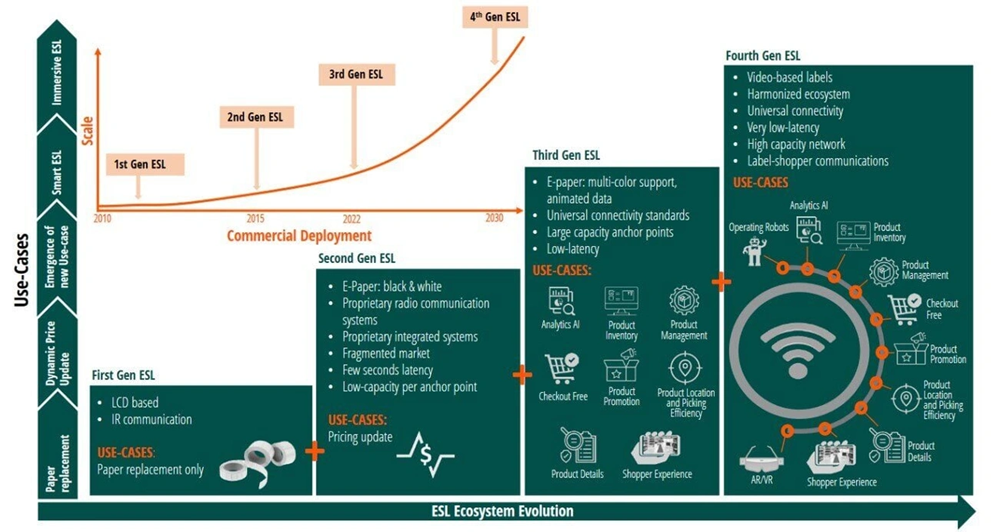
Smart shelves are revolutionizing retail by changing how stores handle inventory and serve customers. The difference between traditional and smart shelving goes beyond looks. It affects how efficiently stores run and how customers shop.
Technology Integration: Sensors, RFID, and ESLs vs Manual Systems
Smart shelves pack multiple technologies that traditional systems don’t have. These intelligent units employ weight sensors, RFID tags, and IoT connectivity to track inventory automatically. RFID technology lets retailers track products without seeing them directly and can scan hundreds of tags at once. Electronic shelf labels (ESLs) have replaced paper labels to update prices and product details instantly. Store staff no longer needs to change price tags and check inventory by hand. Traditional shelves still depend on paper labels that need physical replacement for price changes. The process takes up to 40 human hours for 10,000 price points, while ESLs do it in just 60 seconds.
Real-Time Data vs Periodic Manual Checks
Smart shelves show inventory levels constantly, unlike traditional systems that need scheduled counting. The embedded sensors and RFID technology detect stock changes immediately and alert staff to low inventory or misplaced items. This helps prevent items from running out or overstocking – common problems in traditional retail. Manual inventory counts happen on a set schedule and often have human errors. RFID-enabled smart shelves are 13% more accurate than old methods.
Customer Interaction: Personalized Experience vs Static Displays
Traditional shelves just show products without any interaction. Smart shelf technology enables dynamic shopping experiences through digital displays that display product details across multiple pages. These systems work with shoppers’ phones to suggest items based on their buying history and priorities. Customers can tap their phones on smart shelves to see detailed specs, AR demos, or delivery options using NFC technology. This turns passive shopping into an engaging experience that connects physical stores with digital retail.
Cost Breakdown: Initial Investment vs Long-Term Savings
Retail storage solutions need careful financial analysis to balance immediate costs against long-term benefits. Smart shelf technology and conventional storage systems show several critical cost differences.
Setup Costs: Smart Shelf Hardware vs Traditional Fixtures
Smart shelving costs are a big deal as it means that they cost more than traditional fixtures. Electronic shelf labels cost between $5 and $20 per label based on size and display capabilities. Smart shelf systems also need sensors, RFID technology, and IoT infrastructure. Despite higher upfront costs, retailers plan to increase their store technology investments. About 60% expect to boost store refurbishment capital expenditure by 5-20% over the next five years. Traditional fixtures use simpler, cheaper components but need more manual management systems.
Maintenance and Upkeep: Software Updates vs Manual Labor
Traditional storage systems rack up substantial ongoing labor expenses. Mid-sized stores spend about $10,000 yearly on manual label updates alone. Smart shelves cut these recurring costs through automation. Smart systems need periodic software updates and maintenance, but eliminate paper, ink, and printer maintenance costs. Digital shelf labels last 5-10 years before replacement and provide sustained value throughout their lifespan.
Energy and Sustainability: Battery-Powered ESLs vs Paper Labels
ESLs offer clear sustainability advantages over paper alternatives. E-paper technology in ESLs runs on minimal power and works for several years without battery replacement. Paper labeling creates environmental waste through continuous production, printing, and disposal. ESLs’ energy efficiency leads to lower operational costs, especially in large retail spaces where paper labels’ lighting needs increase energy consumption.
Operational Efficiency and Inventory Management
Retail profitability depends heavily on inventory management. Traditional methods no longer work well in today’s ever-changing market. Smart shelf technology reshapes the scene through automation and live monitoring.
Smart Shelf Inventory Management: Real-Time Alerts and Replenishment
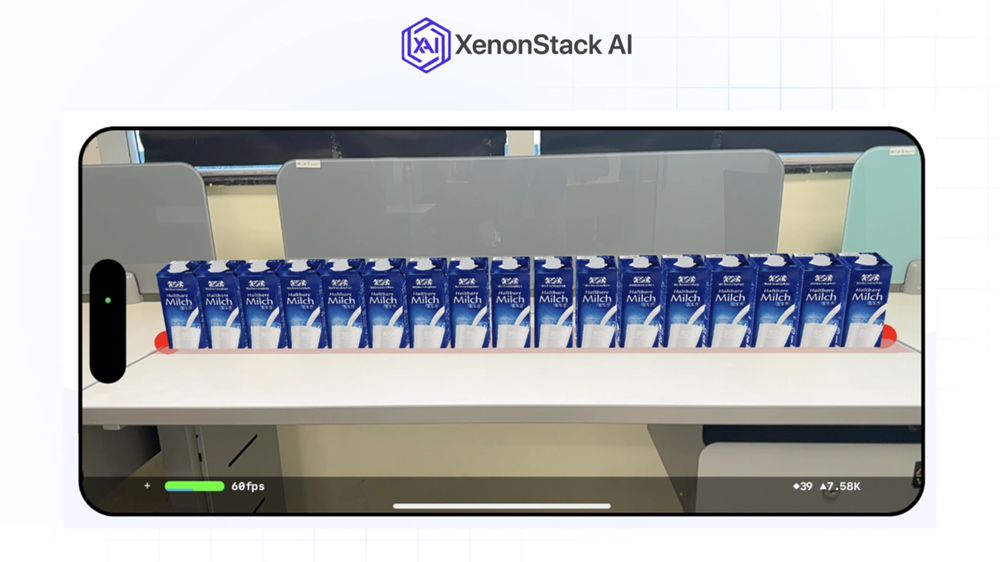
Weight sensors and cameras on smart shelves track stock levels continuously. These devices detect products as customers add or remove them. The technology updates inventory twice daily and provides counts whenever staff members ask for them. RFID smart shelves can track 98% of available inventory, which makes them more accurate than manual counting. The system uses colored LEDs to show what needs restocking, which helps the core team set priorities.
Labor Reduction: Automated Restocking vs Manual Checks
A supply room count typically needs two employees working two full days. Smart shelving cuts this time by about 30 man-hours per count. The average manual inventory count costs $2,000 in labor, so companies can save tens of thousands of dollars each year. Retailers who use AI-powered inventory solutions see 25-40% less shrinkage compared to old security methods.
Stock Accuracy: AI-Powered Insights vs Human Error
AI systems recalculate optimal inventory levels every 15 minutes. They can adjust reorder points up to 300% during demand spikes automatically. Companies that use AI solutions report lower operating costs. About 15% of them cut costs by 10-20%. A European grocery chain shows what’s possible. Their shelf availability jumped from 90% to 95% in six months using AI-powered shelf intelligence. This improvement led to roughly 2% higher sales.
Challenges and Considerations Before Switching
Smart shelf technology implementation needs careful planning and risk assessment beyond just the financial aspects. Retailers must address several technical and operational challenges before making the switch.
System Integration with Existing POS
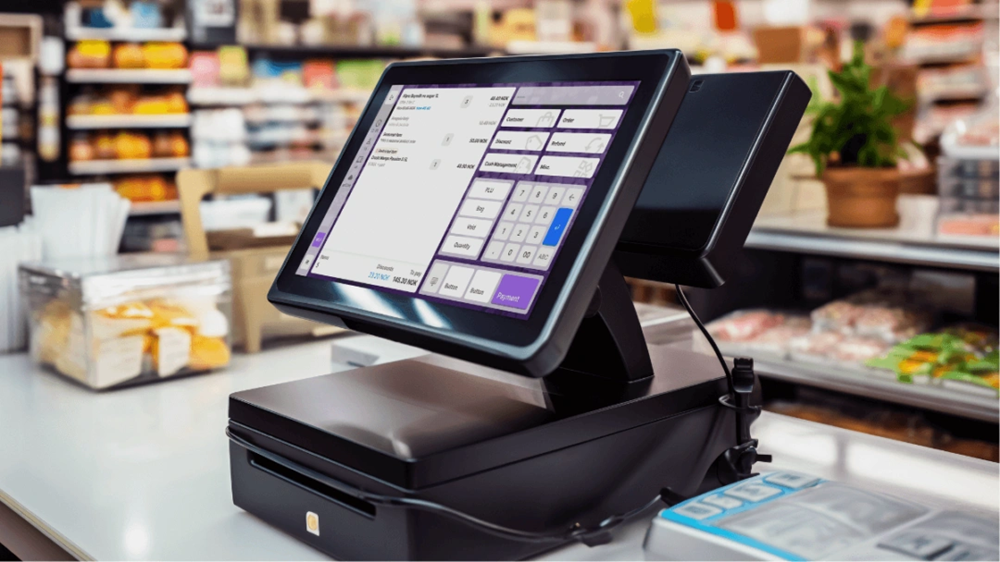
The biggest problem comes from legacy system compatibility, as many retailers use older point-of-sale systems that lack modern APIs or integration capabilities. They often need middleware specifically designed to connect legacy and modern systems. Cloud-based POS platforms work naturally with electronic shelf labels, while older on-premise systems might need extensive reconfiguration.
Staff Training and Change Management
Successful implementation relies on comprehensive employee training programs that cover troubleshooting and maintenance protocols. Staff resistance can slow down adoption. Research shows that running in-store trials of electronic shelf labels along with traditional paper systems helps employees see the benefits directly. Staff members quickly embrace the technology when they realize price updates take seconds instead of hours.
Data Privacy and Cybersecurity Concerns
Smart shelves might expose personally identifiable information. Smart homes’ fingerprints are unique – just one in 1.12 million. Retailers must build resilient security protocols to stop unauthorized access. About 80% of smart devices remain vulnerable to various attacks because of their interconnected nature.
Downtime and Maintenance Risks
System downtime costs large retailers over $5 million per hour. Remote monitoring can help cut help desk calls by up to 80%. Electronic shelf labels’ batteries typically last more than 5 years.
Comparison Table
| Aspect | Smart Shelf Systems | Traditional Storage Systems |
|---|---|---|
| Technology Integration | – Weight sensors & RFID tags – Uninterrupted IoT connection – Electronic shelf labels (ESLs) – Digital displays | – Manual systems – Paper labels – Static displays |
| Inventory Tracking | – Immediate monitoring – 98% inventory capture rate – Automatic updates twice daily | – Regular manual checks – Fixed counting schedules – Human error risks |
| Price Update Process | – 60 seconds to update 10,000 price points – Instant digital changes | – 40 staff hours to update 10,000 price points – Manual label changes |
| Original Investment | – $5-20 per electronic label – Extra sensor & RFID system costs | – Lower upfront costs – Basic components |
| Annual Maintenance Costs | – Software updates needed – Minimal paper/ink costs | – ~$10,000 for manual label updates – Ongoing printer upkeep |
| Labor Requirements | – Saves 30 work hours per inventory count – Automated restocking alerts | – Two staff members need two full days per count – $2,000 per manual inventory count |
| Lifespan | – ESLs last 5-10 years – Battery works 5+ years | Not mentioned |
| Accuracy Improvements | – 13% better inventory accuracy – 25-40% less shrinkage | Baseline for comparison |
| Energy Efficiency | – Uses less power – Minimal battery needs | – Needs more lighting – Constant paper waste |
Conclusion
Smart shelves represent the most important move in retail inventory management that changes how businesses track products and connect with customers. This technology brings clear advantages through up-to-the-minute monitoring, lower labor needs, and better customer experiences than old systems.
The numbers make a strong case for smart shelves in the long run. The original cost ranges from $5-20 per electronic label plus setup costs, but these systems save the $10,000 yearly expense of updating labels by hand. The labor savings are huge – each inventory count saves about 30 man-hours, which adds up to thousands of dollars each year.
The performance numbers make an even stronger argument for smart technology. RFID-enabled systems track 98% of available inventory with automatic updates twice daily, which beats old methods by boosting accuracy up to 13%. Retailers who use AI-powered shelf intelligence have seen their on-shelf availability jump from 90% to over 95%, leading to 2% higher sales.
Notwithstanding that, retailers should tackle several hurdles before getting started. Old POS systems often need extra software to work properly, while employees might resist the change and need complete training. Security of data is another big concern, since 80% of connected smart devices can be attacked in various ways.
A retailer’s specific situation, budget limits, and goals determine the choice between smart shelves and traditional storage. Smart shelf technology works great for businesses ready to invest upfront and handle setup challenges. Traditional systems still work well for retailers with tight budgets or those making gradual changes.
Retailers should get a full picture of costs and benefits for their specific operations. Those looking at long-term growth can benefit from adding smart shelves in phases. They should start with fast-moving products before expanding to other areas. The data shows that businesses using this technology are better prepared for retail’s digital future – where efficiency, accuracy, and customer experience separate the leaders from the rest.
Key Takeaways
Smart shelves are revolutionizing retail with significant cost implications and operational benefits that retailers must carefully evaluate before making the switch.
• Higher upfront costs, lower long-term expenses: Smart shelves cost $5-20 per label plus infrastructure, but eliminate $10,000 annual manual labeling costs and save 30 man-hours per inventory count.
• Dramatic accuracy improvements: RFID-enabled smart shelves capture 98% of inventory with real-time updates, improving accuracy by 13% and reducing shrinkage by 25-40% compared to manual systems.
• Instant price updates vs 40-hour manual process: Smart systems update 10,000 price points in 60 seconds, while traditional methods require 40 human hours for the same task.
• Implementation challenges require planning: Legacy POS integration, staff training, cybersecurity concerns, and potential downtime risks must be addressed before switching from traditional systems.
• ROI depends on scale and strategy: Retailers with high-turnover products and long-term growth plans benefit most, while smaller operations may find traditional systems more cost-effective initially.
The decision ultimately hinges on balancing immediate investment capacity against long-term operational efficiency gains and competitive positioning in an increasingly digital retail landscape.
FAQs
Q1. What are the main advantages of smart shelves over traditional storage systems? Smart shelves offer real-time inventory tracking, automated price updates, and improved accuracy. They can reduce labor costs, minimize stockouts, and provide a more personalized shopping experience for customers.
Q2. How much does it cost to implement a smart shelf system? The initial investment for smart shelves is higher than traditional systems, with electronic shelf labels costing between $5 and $20 per label. Additional costs include sensors, RFID technology, and IoT infrastructure. However, long-term savings in labor and improved efficiency can offset these upfront expenses.
Q3. Can smart shelves integrate with existing point-of-sale (POS) systems? Integration can be challenging, especially with older POS systems. Some retailers may need to implement middleware or consider upgrading to cloud-based POS platforms for seamless integration with smart shelf technology.
Q4. How do smart shelves impact inventory management? Smart shelves significantly improve inventory management by providing real-time stock levels, automatic alerts for low inventory, and AI-powered insights for demand forecasting. This can lead to reduced stockouts, improved on-shelf availability, and ultimately higher sales.
Q5. What are the potential drawbacks of implementing smart shelf technology? Challenges include high initial costs, potential resistance from staff requiring comprehensive training, cybersecurity concerns, and risks associated with system downtime. Retailers must carefully consider these factors and develop strategies to address them before switching to smart shelf systems.