
Budget Planning for Shop Fit Out Projects
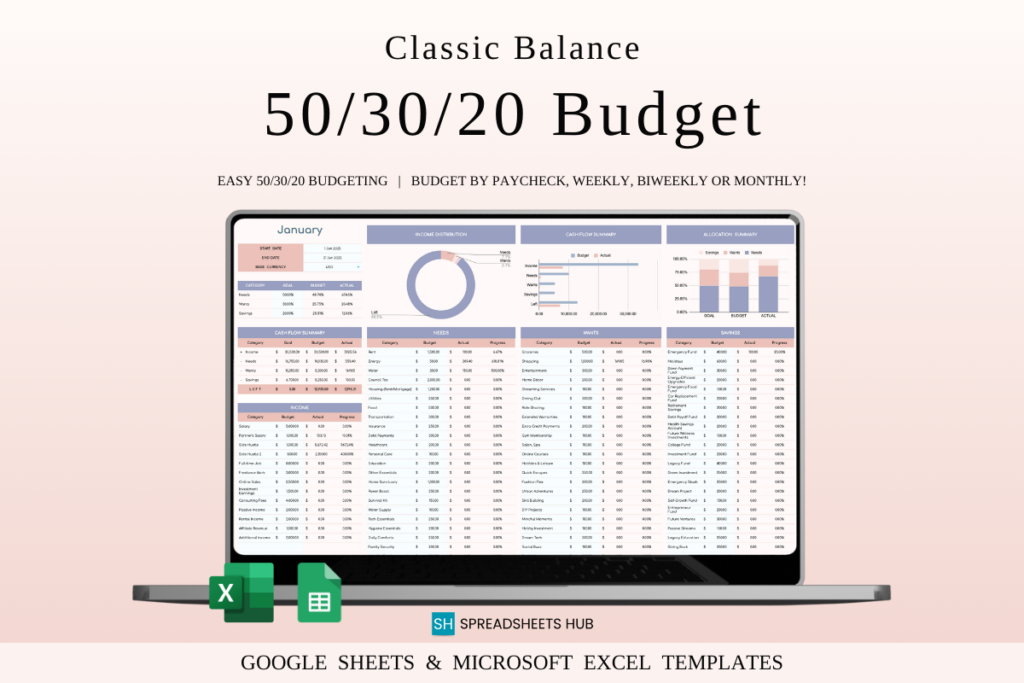
Budget establishment forms the foundation of shop fit out project management. Financial framework development requires identification of all project expenses before contractor selection and design finalization. Structured budget planning prevents cost overruns and ensures retail space specifications meet operational requirements.
Shop fit out cost identification
Cost identification represents the primary budget planning step. Shop fit-out expenses vary according to location, square footage, and quality of finishes. The United States in-line store fit-out costs average $155 per square foot nationally. Regional variations range from $117 per square foot in the Southeast to $211 per square foot in Northern California.
Retail space quality levels correspond to these price ranges:
- Basic fit-out: $200-$1000 per square meter (standard finishes and layouts)
- Mid-range fit-out: $1200-$1500 per square meter (upgraded materials and customization)
- High-end fit-out: $2000-$2500 per square meter (premium materials and extensive customization) [5]
Location impact on costs varies significantly. Metropolitan areas command higher prices due to increased labor costs and building code requirements. Identical quality fit-out costs substantially more in Sydney or Melbourne compared to regional locations.
Cost identification includes these components:
- Construction and demolition work
- Electrical and lighting installations
- Mechanical systems (HVAC)
- Plumbing installations
- Flooring and ceiling construction
- Wall and partition systems
- Store fixtures and display units
- Signage and branding installations
- Technology infrastructure
- Permits and compliance documentation
Contingency buffer allocation
Shop fit-out projects require a contingency buffer allocation of 10-15% of the total budget. Construction work reveals hidden structural problems, outdated electrical systems, or compliance issues requiring immediate attention.
Shell and core spaces require a 5-10% contingency allocation. Renovation projects typically require 10% or higher contingency since demolition work encounters unexpected conditions.
Contingency allocation provides risk management for project completion. Inadequate contingency planning results in quality reductions, feature eliminations, or incomplete project delivery.
Budget categorization analysis
Budget distribution across categories provides cost control and identifies potential savings. Industry research indicates shop fit out cost proportions:
- Mechanical systems (HVAC, plumbing): 21% of total budget
- Carpentry, doors, and windows: 17% of total budget
- General conditions: 16% of total budget
- Electrical work: 12% of total budget
- Project overhead and profit: 9% of total budget
- Finishes (paint, flooring): 8% of total budget
- Ceiling work: 6% of total budget
- Other categories (existing conditions, specialties): 11% of total budget [5]
Cost per square foot analysis for detailed planning:
- Mechanical: $32.61
- Carpentry, doors, and windows: $25.92
- General conditions: $25.13
- Electrical: $17.80
- Project overhead and profit: $14.06
- Finishes: $12.35
- Ceiling: $9.80 [5]
Budget categorization enables spending prioritization on customer-facing elements while identifying cost reduction opportunities.
Sequential Project Execution for Cost Control
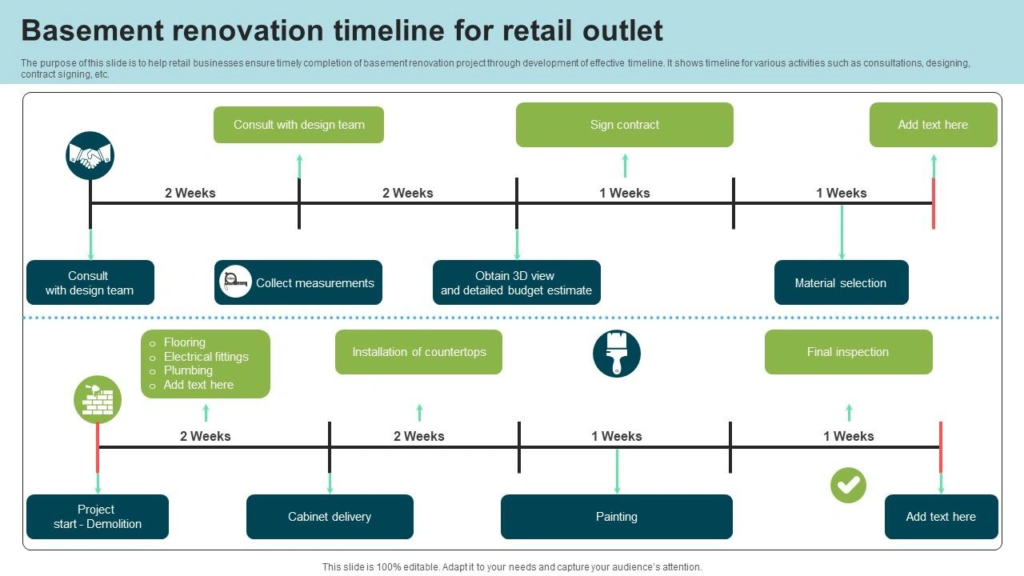
Project sequencing determines both cost effectiveness and opening timeline success. Shop fit-out projects require structured phases to prevent budget overruns and scheduling delays.
Complete lease agreements and permit applications
Lease finalization and permit acquisition must occur before construction commencement. Permit processing typically requires 1 to 5 weeks [6], depending on location complexity and project scope.
Required documentation includes:
- Building permits
- Signage approvals
- Health department certification (food service businesses)
- Fire safety compliance
- Landlord alteration consent
- Accessibility compliance documentation
Construction scheduling before permit approval creates expensive delays and contractor penalties. Project timelines must accommodate permit processing periods from the initial application submission.
Identify essential opening requirements
Essential components differ from optional enhancements. Opening day functionality requires specific elements:
- Security systems and emergency exit compliance
- Electrical infrastructure and lighting systems
- HVAC operational systems
- POS technology and payment processing
- Primary display fixtures and shelving
- Storefront signage and customer access
- Safety and compliance modifications
Opening checklists prevents critical element oversight during initial construction phases. Project planning identifies potential timeline impacts before budget allocation.
Schedule non-essential improvements separately
Operational revenue generation begins before complete fit out completion. Non-essential elements can be implemented after store opening:
- Decorative finishing elements
- Secondary display units and fixtures
- Advanced technology beyond basic requirements
- Staff area improvements and upgrades
- Premium flooring in non-customer areas
Phased construction provides financial flexibility for multi-location operations. Cost distribution across extended timeframes reduces initial capital requirements while maintaining project completion standards.
Project segmentation allows revenue generation during construction phases, offsetting ongoing improvement costs through operational income.
Budget Management: Common Cost Control Errors
Shop fit out projects require precise financial control to prevent cost overruns. Budget variations occur in most retail renovation projects due to predictable planning errors and oversight issues.
Hidden Cost Categories and Impact
Design amendments after approval generate 35% of fit-out budget variations [10]. These modifications create additional expenses across multiple project categories.
Primary hidden cost sources include:
- Design modifications: Wall relocations require electrical system rerouting and fire-rating reassessments
- Compliance corrections: Non-compliant exit configurations or sprinkler placement errors necessitate expensive rework and additional approval processes
- Service infrastructure changes: Outdated electrical boards or mechanical vents behind walls add $5,000-$15,000 to project budgets [10]
- Timeline delays: Weekly project delays increase total costs by 2-3%, affecting construction expenses and operational timelines [10]
Landlord and Tenant Expense Allocation
Commercial lease agreements specify distinct cost responsibilities between property owners and tenants. Renovation classifications determine payment obligations.
Building renovations affecting entire structures fall under landlord responsibilities. Tenant improvements customize spaces for specific business requirements.
Landlord responsibilities typically cover:
- Building core infrastructure including roof, walls, foundation
- HVAC systems affecting habitability standards
- Common area maintenance requirements
- Code compliance upgrades
Tenant obligations include:
- Custom fixture installations and display systems
- Specialized lighting for product presentation
- Business-specific plumbing or electrical modifications
- Decorative elements and branding installations
Cash Flow Management During Construction
Early budget allocation errors leave insufficient funds for customer-facing elements. Non-essential retail items experience significant demand fluctuations, requiring staged investment approaches.
Effective budget management strategies include:
- Essential fixture prioritization over decorative installations
- Zero-based budgeting implementation for new business operations rather than incremental approaches [13]
- Calendar-based cash flow planning for seasonal financing requirements
- Post-opening element identification for phased installation
These cost control measures create financial frameworks capable of managing unexpected project challenges while maintaining budget targets.
Partner Selection for Shopfitting Projects
Professional shopfitting contractors provide cost control and project efficiency for retail store development. Quality shopfitting specialists offer factory-direct experience and industry knowledge that reduces project risks.
Evaluate Quote Details and Specifications
Quote comparison requires a detailed analysis of project specifications and material quality. Professional contractors provide transparent pricing structures that identify the exact project scope and material standards.
Essential quote components include:
- Project scope definition with material specifications
- Fixed pricing versus provisional cost structures
- Completion schedules with guaranteed delivery dates
- Initial payment requirements and milestone billing
- Quality certifications for fixtures and materials
- Project management and supervision costs
Industry contractors note that “winning quotes is the hardest part” and warn that “dramatically lower” pricing often indicates “not the most transparent offer” [16]. Professional evaluation focuses on value delivery rather than the lowest initial cost.
Verify Industry Experience and Credentials
Contractor portfolios demonstrate manufacturing capabilities and project completion records. Experienced shopfitting companies provide documentation of similar retail projects and industry-specific expertise.
Required contractor credentials include:
- Client references from comparable retail projects
- Portfolio evidence of industry-specific installations
- Current licensing and comprehensive insurance coverage
- Industry certifications and quality standards compliance
Professional contractors with successful retail project delivery “can feel more confident in their ability to meet your expectations”. Credential verification confirms contractor qualifications for specific retail fixture requirements.
Establish Clear Budget Parameters
Budget communication requires direct discussion of project financial limits and material quality expectations. Experienced contractors appreciate defined budget ranges for appropriate material selection and design recommendations.
Effective budget communication states clear limits: “I want to keep this around $12k, and hard stop is $15k”. This approach establishes realistic project parameters and prevents scope expansion during construction phases.
Professional shopfitters adjust material recommendations based on budget constraints, suggesting stock fixture alternatives or cost-effective materials that maintain quality standards. Qualified contractors understand that “finding the right shopfitter is crucial to ensuring that your store or business is built to your exact specifications”.
Cost-Effective Fixture Procurement Strategies

Store fixtures represent substantial shop fit out expenditure. Strategic purchasing decisions reduce costs while maintaining display quality and customer functionality.
Second-hand and refurbished fixture options
Pre-owned shop fittings provide cost savings without quality compromise. Equipment suppliers source refurbished gondola, shelving, and display units from retailers upgrading their stores. Surplus equipment markets offer substantial price reductions compared to new fixture costs.
Quality assessment remains essential for used fixtures. Check structural integrity and ensure compatibility with store requirements. Minor cosmetic repairs often restore fixtures to acceptable standards at minimal additional cost.
Essential fixture prioritization
Core display elements drive sales performance more than decorative additions. Essential fixtures include:
- Point-of-sale counters and checkout systems
- Primary product display shelving
- Merchandise highlighting fixtures
- Customer traffic flow elements
Modular fixture systems allow reconfiguration as business needs change. Durable materials provide long-term value without excessive initial investment.
Supplier comparison for equipment procurement
Multiple supplier quotations identify cost-saving opportunities. Fixture manufacturers offer discontinued line discounts and bulk purchase reductions. Retail equipment auctions provide access to quality fixtures at reduced prices.
Domestic suppliers sometimes offer factory seconds with minor imperfections at significant discounts. Online marketplaces specializing in retail equipment feature regular promotional pricing on shelving, display cases, and store fixtures.
Business Outcomes
Shop fit-out planning requires structured financial management and systematic execution. Budget establishment forms the foundation of successful retail space development. Proper cost allocation across categories prevents project overruns.
Project execution benefits from phased implementation. Permit acquisition and lease finalization precede construction activities. Essential components receive priority over decorative elements. Revenue generation begins sooner with this staged approach.
Cost control depends on accurate contractor selection and clear responsibility definitions. Landlord obligations differ from tenant improvements. Hidden expenses arise from design changes and compliance issues. Experienced shopfitters provide cost-effective solutions through established industry knowledge.
Fixture procurement impacts total project expenses significantly. Second-hand equipment offers quality alternatives to new purchases. Essential display elements take priority over decorative installations. Multiple supplier comparisons reduce equipment costs.
Successful shop fit out projects result from systematic planning and disciplined budget management. These business practices create functional retail spaces while maintaining cost parameters. Project investment supports long-term business operations and customer service capabilities.
Key Takeaways
Smart shop fit out planning can save thousands while creating an effective retail space that drives sales and customer satisfaction.
• Set a comprehensive budget with 10-15% contingency – Include all costs from construction to permits, plus buffer for unexpected expenses that arise in 35% of projects
• Execute in logical phases: permits first, essentials second, upgrades last – Secure approvals before construction, prioritize opening-day necessities, delay decorative elements until operational
• Avoid hidden costs by clarifying landlord vs tenant responsibilities upfront – Understand who pays for what to prevent budget surprises and costly misunderstandings mid-project
• Choose experienced shopfitters who understand your budget limits – Compare detailed quotes, check references, and communicate financial boundaries clearly from the start
• Buy smart on fixtures: prioritize essentials over decorative pieces – Use second-hand items where appropriate and focus spending on displays that directly impact sales
The key to successful shop fit out planning lies in treating it as a strategic investment rather than just an expense. By following these principles, you’ll create a retail space that serves your business needs while maintaining financial control throughout the process.
FAQs
Q1. What is the average cost to fit out a small retail shop? The cost of fitting out a small retail shop can vary widely depending on the specification level. Generally, you can expect to pay around £40 per square foot for a standard specification, £50 per square foot for a mid-tier fit-out, and £80 or more per square foot for a high-specification fit-out.
Q2. How can I reduce costs in my retail store without compromising quality? To reduce costs effectively, focus on optimizing your operations. Implement fast and accurate pricing and promotions, practice precise inventory management, streamline order picking processes, and efficiently manage expiration dates and markdowns. These strategies can help cut expenses without negatively impacting your business quality.
Q3. What are some effective ways to lower the cost of goods sold (COGS) in retail? To reduce COGS, consider discontinuing products that don’t sell well, sourcing lower-cost materials, eliminating costly waste, automating parts of your business, exploring offshore manufacturing options, investigating on-demand manufacturing or dropshipping, and negotiating with suppliers. These strategies can help improve your profit margins.
Q4. How much capital is typically needed to set up a small shop in the UK? The total cost to open a small shop in the UK typically ranges from £20,000 to £100,000. This varies based on factors such as location, size, and type of business. Major expenses include rent (often the largest ongoing cost), initial stock, equipment, and legal fees.
Q5. What are the key elements to include in a shop fit out budget? When budgeting for a shop fit out, include costs for construction and demolition, electrical and lighting systems, HVAC, plumbing, flooring and ceiling work, walls and partitions, store fixtures and displays, signage and branding elements, technology infrastructure, and permits. Don’t forget to add a 10-15% contingency buffer for unexpected expenses.