
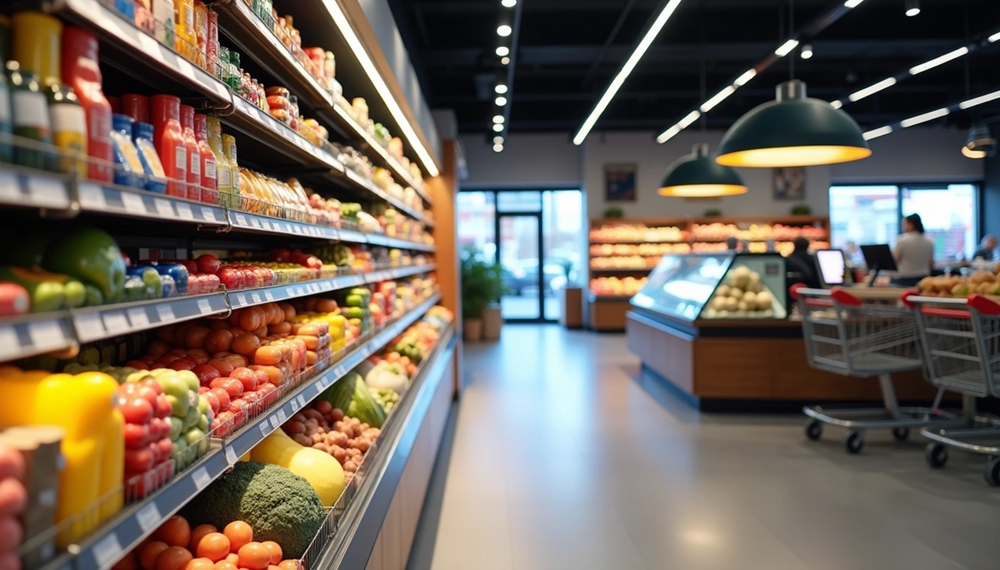
Retail spaces that update their shopfitting every 2-3 years retain 60% more recurring customers than those that remain static. Store design functions as a business investment, not decoration.
Retail shopfitting forms the foundation of consumer experience and commercial operations. Product placement and visual merchandising increase impulse purchases and boost sales [18]. Shelving systems provide the primary infrastructure for supermarket operations.
Modern shopfitting equipment includes Electronic Shelf Labels (ESLs) for immediate pricing updates and customer information displays. Lighting systems control product visibility and customer behavior patterns.
This guide covers the main components of supermarket shopfitting: fixture selection, modern technology implementation, layout design, and shopfitting services. Store owners can use these specifications for new installations or renovation projects. The information addresses shopping environment creation, customer attraction, and business growth requirements.
Understanding the Role of Shopfitting in Retail Success
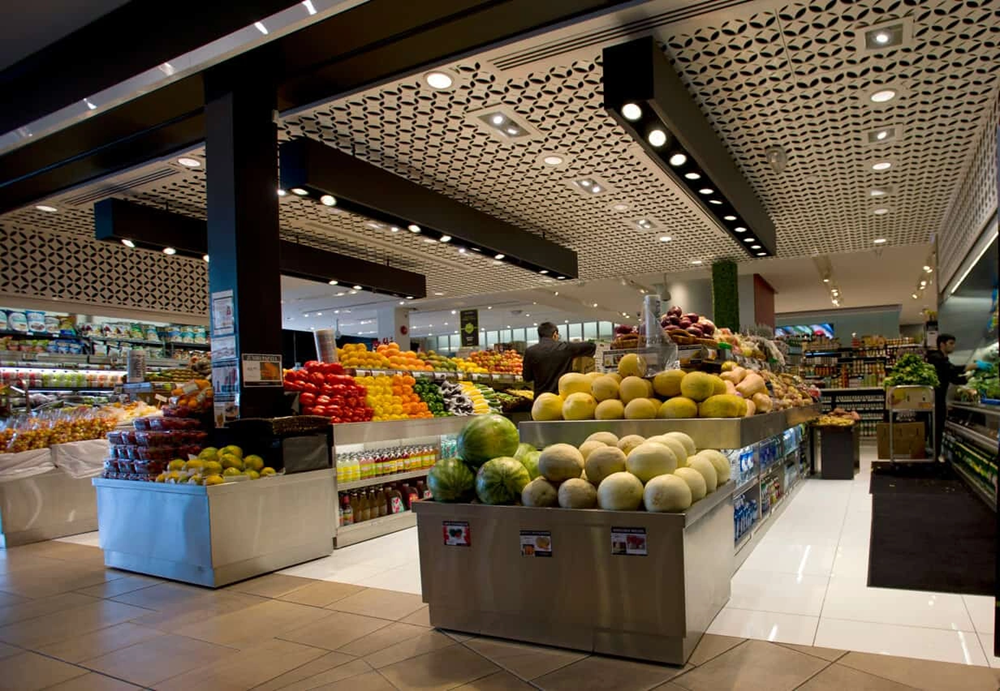
Supermarket physical arrangement determines customer perception, navigation, and interaction with retail spaces. Shopfitting guides purchasing decisions and establishes brand impressions through fixture placement and design elements.
What is supermarket shopfitting?
Shopfitting involves designing, planning, and installing fixtures, fittings, and equipment in retail stores to create functional and appealing shopping environments. Supermarket shopfitting includes strategic layout planning and specialized display system installation.
This process converts empty commercial spaces into operational supermarkets. Construction provides the shell, and shopfitting creates the functional environment for product display. The process includes these components:
- Layout design and customer flow planning
- Installation of shelving, counters, and display units
- Implementation of lighting systems and ambience creation
- Integration of signage and brand elements
- Setting up point-of-sale systems and service areas
Professional shopfitting requires technical design expertise and consumer behavior understanding. This profession demands exceptional attention to detail for client requirements and shopping experience optimization.
Why shopfitting matters for customer experience
Supermarket layout and design directly influence customer behavior and satisfaction. Poor layout design creates shopper frustration, while optimized flow encourages exploration and extended shopping time.
Shopfitting optimizes customer shopping experience, influences purchasing decisions, and contributes to retail business success. Intuitive store navigation makes product location effortless rather than frustrating.
Strategic placement of aisles, displays, and checkout counters ensures smooth navigation throughout shopping journeys. Proper shopfitting execution attracts more customers, increases sales, and fosters positive brand image. Visual elements impact customer behavior significantly, positioning shopfitting as essential for customer attraction.
Lighting ranks among the most critical shopfitting aspects. Proper lighting highlights products, creates welcoming atmosphere, and sets shopping experience mood. Product displays represent the heart of any retail space—their presentation determines customer appeal.
How shopfitting impacts brand identity
Supermarket physical environment communicates brand values and personality. Shopfitting translates brand visual identity and core values into physical space. This occurs through material selection, product arrangement, customer flow guidance, and lighting choices.
Consistent color schemes across stores create a strong visual identity. Lighting brightens spaces, highlights products, and creates focused ambience where needed. Store furnishings and fittings express brand aesthetics through sleek shelving and designed service areas.
Shop design enhances customer experience and solidifies brand identity. Store physical appearance communicates brand identity and values, building brand recognition in consumer minds. Sustainability-focused brands can reflect values through eco-friendly materials and design choices.
Effective shopfitting creates environments that reflect brand identity, enhance customer experience, and strengthen competitive retail position. Thoughtful execution transforms shopping from simple transactions into memorable brand interactions.
Essential Fixtures Every Supermarket Needs
Fixture selection determines supermarket design effectiveness. The correct fixture combination maximizes sales potential and creates customer environments that encourage repeat visits.
Shelving and display units
Gondola shelving functions as the primary structural system for supermarket product organization. These modular systems provide adaptable heights, depths, and finishes for different store configurations. Eye-level shelf placement generates maximum customer attention and purchase activity. Wall shelving units, positioned at store perimeters, accommodate heavier products, including cleaning supplies and beverage containers. End cap displays at aisle terminations create promotional focal points for seasonal merchandise and special offers.
Counters and POS systems
Checkout counters with conveyor belt systems enable efficient transaction processing. Black mat top covers eliminate fluorescent lighting glare for improved visibility. Modern POS hardware includes self-checkout systems, checkout terminals, payment processors, receipt printers, barcode scanners, and cash drawers. These integrated systems manage inventory tracking, sales trend analysis, payment method processing, and customer loyalty program implementation.
Storage units and cabinets
Commercial storage cabinets combine operational functionality with visual presentation. Heavy-gauge steel construction provides retail environment durability, featuring locking doors and adjustable shelf systems. Cabinet configurations include removable floors and built-in chase ways for plumbing and electrical system modifications. These fixtures secure inventory while displaying products and maintaining customer accessibility.
Signage and graphics
Store signage serves as customer navigation and product promotion tools. Supermarket signage requires clear, concise design with distance readability. Aisle markers, department signs, and promotional displays need consistent brand identity elements. Entrance and product-specific promotional signage encourages impulse purchases, particularly for discount and seasonal item highlights.
Lighting and ambience
Lighting design affects shopping experience through multiple fixture categories:
- Ambient lighting: ceiling-mounted general illumination fixtures
- Task lighting: specific interaction area visibility enhancement
- Accent lighting: product and display highlighting
- Display lighting: high-value and promotional item showcasing
Lighting color temperature selection affects product presentation. Warm white (2700K-3000K) enhances meat, bread, and cheese displays. Cool white (4000K-5000K) suits fish, poultry, and kitchen area applications.
Shopping baskets and carts
These fixtures directly impact customer convenience and purchasing capacity. Metal shopping carts offer durability with double-rim wire construction, reduced nesting distances, and child safety gate features. Plastic cart alternatives provide lighter weight options that reduce fixture and vehicle damage potential. Two-tier express carts with compact footprints work effectively in smaller retail spaces for limited-item shopping. Hand-held and rolling basket options complement cart systems for quick shopping trip requirements.
Modern Shopfitting Equipment and Technology
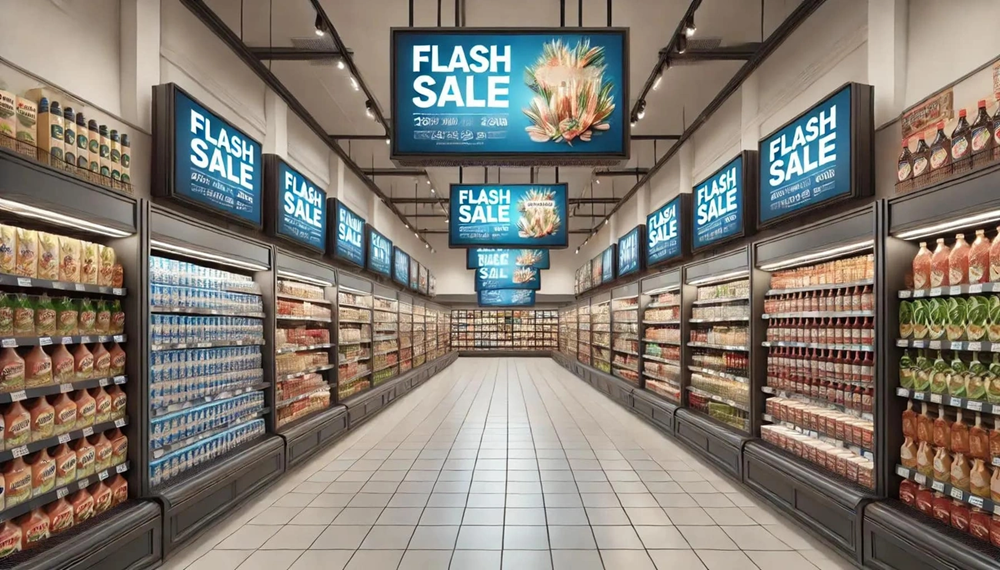
Modern technology transforms commercial shopfitting operations. Supermarket owners can access equipment that enhances customer experiences and streamlines operations. These systems extend beyond basic fixtures to create retail environments that respond to market demands.
Electronic shelf labels (ESLs)
Electronic shelf labels advance retail shopfitting equipment specifications. These battery-powered electronic paper displays replace traditional paper price tags with digital systems. Wireless communication with central systems allows price updates across stores within seconds. Retailers can implement dynamic pricing strategies based on demand, inventory levels, or market trends. ESLs display product information, promotions, and stock availability at shelf edge locations. Industry reports show retailers using ESLs experience operational expense reduction through labor and materials cost savings.
Interactive kiosks and smart mirrors
Interactive kiosks integrate into supermarket shopfitting to provide customer self-service options. These touchscreen interfaces allow shoppers to access product details, check inventory, and navigate store layouts without staff assistance. Smart mirrors combine traditional mirrors with digital displays and RFID technology for retail environments. The global smart mirror market is expected to grow from $3.28 billion in 2023 to $5.58 billion by 2027. These displays recognize products through RFID scanning, suggest complementary items, and provide product information.
Digital signage and dynamic displays
Digital signage functions as communication tools for modern shopfitting services. Supermarket installations include strategically placed screens that deliver targeted content including promotions, wayfinding information, and brand messaging. Digital signage implementation guides customers, promotes perishable items before spoilage, and creates retail environments. Advanced systems integrate with point-of-sale and customer relationship management platforms for targeted marketing based on purchasing trends.
Inventory-integrated storage systems
Current generation shopfitting supplies include storage systems with direct inventory management software connections. These systems use sensors to monitor stock levels and provide real-time updates that reduce out-of-stock situations. RFID technology and barcode systems offer retailers merchandise visibility, supporting operational efficiency and reducing costs [18]. Integration enables automated restocking notifications, accurate inventory tracking, and data-driven decisions about product placement and purchasing.
Designing for Flow, Accessibility, and Safety
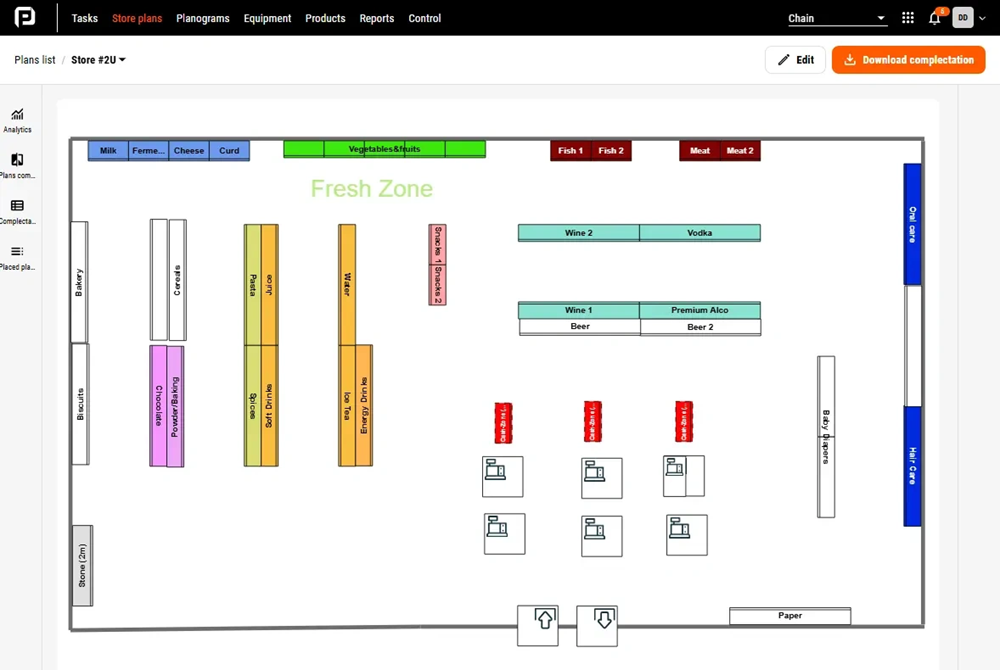
Shopfitting design addresses customer experience beyond fixtures and appearance. Businesses lose more than £2 billion annually by ignoring disabled customers needs. Layout planning requires flow, accessibility, and safety considerations.
Creating intuitive store layouts
Store design influences customer behavior and purchasing decisions. Spacious aisles prevent shopping cart congestion and enable comfortable browsing. Wide pathways reduce customer frustration. Research indicates 64% of customers abandon disorganized or difficult-to-navigate stores.
Decompression zones inside entrances allow customer orientation and transition. These areas require clear directional signage with iconography and text for non-English speakers and customers with dyslexia [6]. Online store maps allow pre-visit layout familiarization.
Ensuring accessibility for all customers
The disabled population includes approximately one billion people, or 16% of the global population. Commercial shopfitting requires inclusive design principles beyond ADA standards.
Accessible shopfitting specifications:
- Split-height counters for wheelchair users, children, and short-stature visitors
- Wide pathways for mobility devices during peak times
- Clear signage with strong color contrast between text and background
- Height-adjustable payment areas and self-service machines
Color-coded baskets communicate customer preferences to staff—red for assistance, black for independent shopping.
Incorporating safety and security systems
Security measures protect assets and personnel. Supermarket security systems include surveillance cameras, burglar alarms, access control systems, and anti-theft tags. These systems provide theft prevention, employee protection, inventory monitoring, and liability reduction.
Open supermarket layouts create security challenges requiring strategic camera placement. Advanced systems integrate with store operations through AI-powered line crossing technology for customer behavior analysis, conversion rate assessment, and layout optimization.
Planning, Budgeting, and Choosing Shopfitting Services
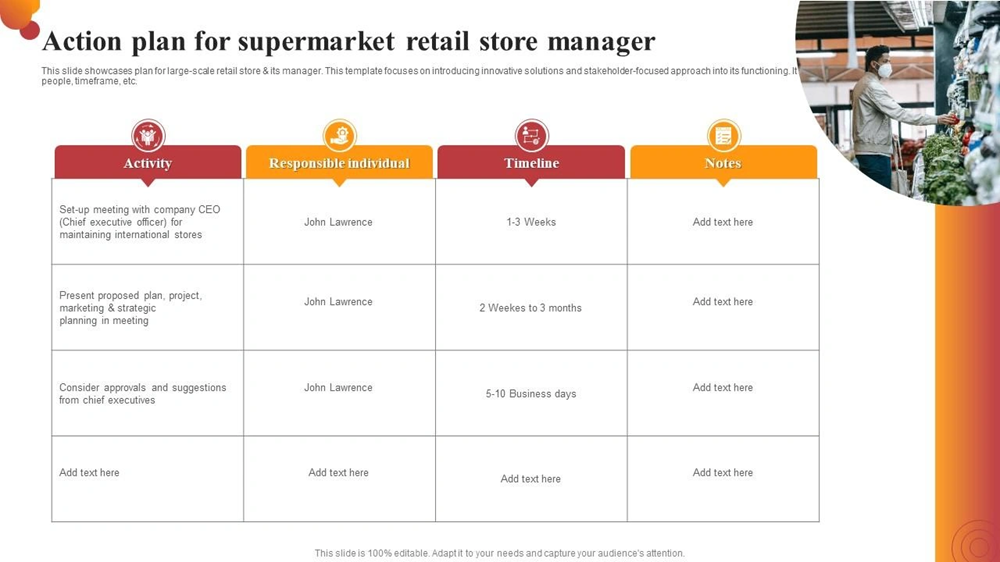
The success of a shopfitting project depends on both the planning stage and its execution. Projects with clear objectives and realistic timelines avoid costly delays that impact opening schedules.
Setting a realistic budget
Budget creation represents the first step in shopfitting projects. Store owners plan for essential fixtures, lighting, and paint, then add optional elements based on available funds. Shopfitting costs in Australia range from $1500 to over $5000 per square meter, depending on size, location, and finish quality. Budget allocation requires 10% contingency for unexpected complications. Strategic allocation ensures critical aspects receive adequate funding without quality compromise.
Selecting durable and sustainable materials
Material selection impacts both initial costs and long-term performance. Renewable sources include reclaimed wood, bamboo, and seagrass options. FSC-certified wood from controlled logging operations provides sustainable alternatives. Store owners evaluate initial costs against long-term durability. High-quality materials cost more initially but deliver greater value through extended lifespan and improved appearance.
Working with commercial shopfitting experts
Experienced shopfitters provide expertise for retail projects. Evaluation criteria include:
- Portfolio review for capabilities assessment
- Industry accreditations and professional certifications
- Communication skills and design explanation ability
Professionals explain design choices clearly while accepting client input throughout the shopfitting process.
Balancing esthetics with functionality
Shopfitting projects require balance between visual appeal and practical functionality. Design attracts customers, functionality maintains comfortable shopping conditions. Customer navigation requires intuitive pathways for effective guidance. Fixture selection complements brand esthetic without sacrificing durability or usability. Design elements serve both visual and practical purposes for cohesive shopping environments.
Conclusion
Supermarket shopfitting functions as a business infrastructure component, not decoration. This guide covers store design specifications that affect customer experience, brand presentation, and sales results.
Store owners who select quality fixtures, modern technology, and functional layouts create profitable shopping environments. Stores updating shopfitting every 2-3 years achieve 60% higher customer retention rates.
Shelving systems, counters, signage, and lighting fixtures form the operational foundation. Electronic shelf labels and digital displays improve efficiency and customer interaction. These components, with proper customer flow design and accessibility features, convert retail spaces into effective sales environments.
Project planning requires budget establishment, material selection, and professional shopfitting services. Design specifications must balance visual presentation with operational functionality for customers and staff.
Store environment communicates brand values through fixture selection, display arrangement, and design elements. Shopfitting serves as business investment rather than expense category. Store owners using this approach achieve better customer relationships and increased profitability.
Successful shopfitting projects require specification planning from fixture selection to technology integration. Store owners who implement intuitive, accessible, and functional environments build stronger business operations.
Key Takeaways
Strategic supermarket shopfitting is a critical business investment that directly impacts customer retention, sales performance, and brand identity. Here are the essential insights every store owner should implement:
• Update shopfitting every 2-3 years to retain 60% more recurring customers than static stores • Prioritize customer flow design with wide aisles, decompression zones, and intuitive navigation to reduce the 64% abandonment rate from poor layouts • Invest in modern technology like electronic shelf labels and digital signage to enable dynamic pricing and enhance operational efficiency • Balance esthetics with functionality by selecting durable materials and fixtures that serve both visual appeal and practical shopping needs • Plan comprehensive budgets allocating $1,500-$5,000+ per square meter with 10% contingency for unexpected costs • Ensure accessibility compliance with split-height counters, wide pathways, and clear signage to serve the 16% of customers with disabilities
Effective shopfitting transforms empty commercial spaces into compelling shopping destinations that communicate brand values, guide purchasing decisions, and create memorable customer experiences. When executed strategically with professional expertise, these investments deliver measurable returns through increased sales, customer loyalty, and competitive advantage in the retail marketplace.
FAQs
Q1. How often should I update my supermarket’s shopfitting? It’s recommended to update your supermarket’s shopfitting every 2-3 years. Stores that follow this practice retain about 60% more recurring customers compared to those that remain static.
Q2. What are some essential fixtures every supermarket needs? Essential fixtures for supermarkets include gondola shelving, checkout counters with modern POS systems, storage units and cabinets, clear signage and graphics, strategic lighting, and shopping baskets and carts.
Q3. How can I make my supermarket more accessible to all customers? To improve accessibility, consider implementing split-height counters, wide pathways for mobility devices, clear signage with strong color contrast, and height-adjustable payment areas. These features can help serve the approximately 16% of the global population with disabilities.
Q4. What modern technologies should I consider for my supermarket shopfitting? Consider incorporating electronic shelf labels (ESLs) for dynamic pricing, interactive kiosks for self-service, digital signage for targeted content, and inventory-integrated storage systems for real-time stock monitoring.
Q5. How much should I budget for supermarket shopfitting? Shopfitting costs typically range from $1,500 to over $5,000 per square meter, depending on factors like size, location, and finish quality. It’s advisable to allocate at least 10% of your budget for contingencies to cover unexpected complications.