Key Takeaways
Strategic display hook design can transform basic fixtures into powerful sales-driving tools that significantly impact retail performance and customer purchasing behavior.
• Position products at 48-60 inches height for maximum visibility – eye-level placement increases sales by 20% compared to lower shelves • Choose hook materials based on product weight: plastic hooks ($0.10-0.75) for items under 5 lbs, metal hooks ($0.80+) for 10+ lbs capacity • Apply color psychology strategically – 62-90% of consumers form judgments within 90 seconds based on display colors alone • Integrate anti-sweep hooks and modular designs for security and seasonal flexibility while maximizing cross-selling opportunities • Partner with experienced manufacturers allowing 90-120 days for complete custom programs including prototyping and installation
When executed properly, custom display hooks become active merchandising partners that guide customer behavior, enhance brand identity, and create organized presentations that encourage both browsing and impulse purchases across all retail environments.
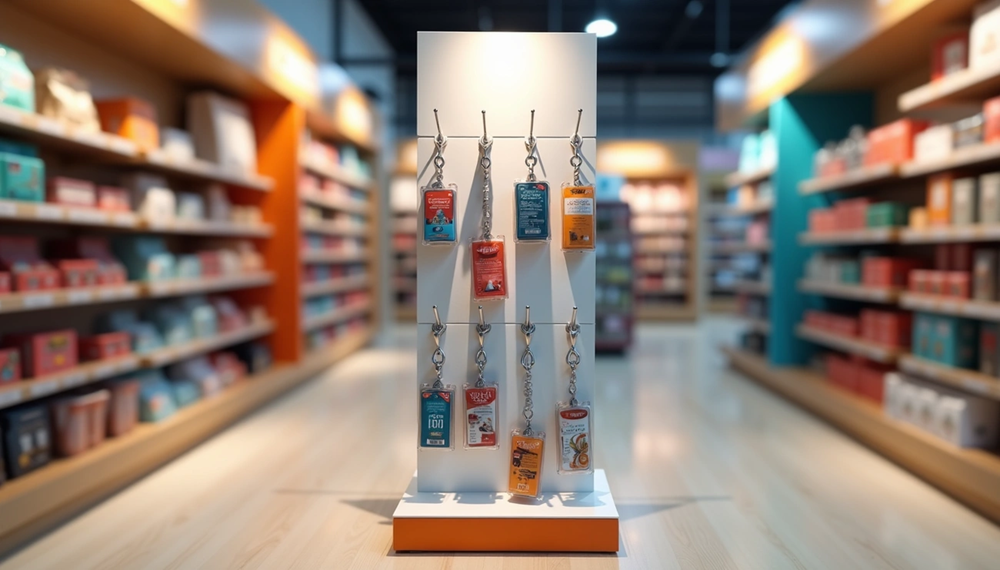
Custom display hooks can increase product visibility by up to 35% at the time they are positioned at eye level. Many retailers overlook the strategic design elements that transform simple hooks into sales-driving merchandising tools. The way products hang and present themselves directly influences purchasing behavior. Hook design becomes a critical factor in retail success.
Display hooks are detachable merchandising accessories that maximize vertical space and product accessibility. Pair them with custom display cards and thoughtfully designed custom card display structures. They create organized, eye-catching presentations that encourage browsing and impulse purchases.
This piece reveals the key design principles to create custom display hooks that genuinely boost sales. Readers will find everything about hook configuration and material selection. The article also explores how to work with shop fitting specialists and bring design visions to life effectively.
What Makes a Display Hook Design Sell Products
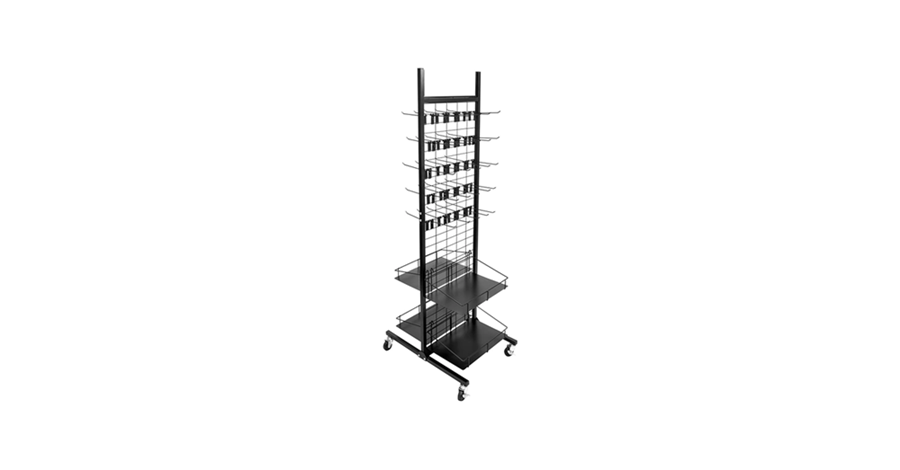
Four fundamental principles separate display hooks that generate sales from those that merely hold products. Retailers who understand these elements can design custom display hooks that drive purchasing decisions rather than present merchandise passively.
Visual Impact at Eye Level
Products positioned between 48 and 60 inches from the floor capture maximum shopper attention. This vertical zone matches adult consumers’ natural gaze and minimizes physical effort while maximizing visual contact. Hero products or high-margin items perform best when placed at 50 to 54 inches. Shoppers make purchasing decisions in fewer than eight seconds at this precise height.
Research confirms that items at eye level generate 20% higher sales compared to products placed below the waistline. One manufacturer identified shelf positioning at 52 inches that delivered 23% greater sales potential than adjacent shelves, despite all being near eye level. Products placed on lower shelves experienced a 25% fall in sales.
Easy Product Access and Browsing
Custom card display structures must allow customers to scan and select products without bending or reaching awkwardly. Shoppers take three seconds to review products, which makes immediate accessibility critical. Front-facing presentations on hooks enable quick scanning when paired with custom display cards that communicate product information at a glance.
70% of purchasing decisions occur in-store. The physical ease of product interaction affects conversion rates. Hooks positioned for comfortable browsing reduce decision fatigue and encourage multiple product examination.
Clear Brand Identity
Display fixtures that match brand values strengthen customer trust and encourage loyalty. Consistent visual presentation across locations reinforces brand recognition and makes shoppers feel confident in their purchasing environment. The material, finish, and design of custom display hooks communicate brand personality before customers interact with products.
Space Efficiency in Retail Layouts
Vertical merchandising through hooks addresses the perpetual retail challenge of limited floor space. Hook configurations maximize product visibility per square foot while maintaining browsing comfort. This approach revolutionizes underutilized wall areas into high-performing sales zones near checkout counters where impulse purchases thrive.
Key Design Elements for Custom Display Hooks
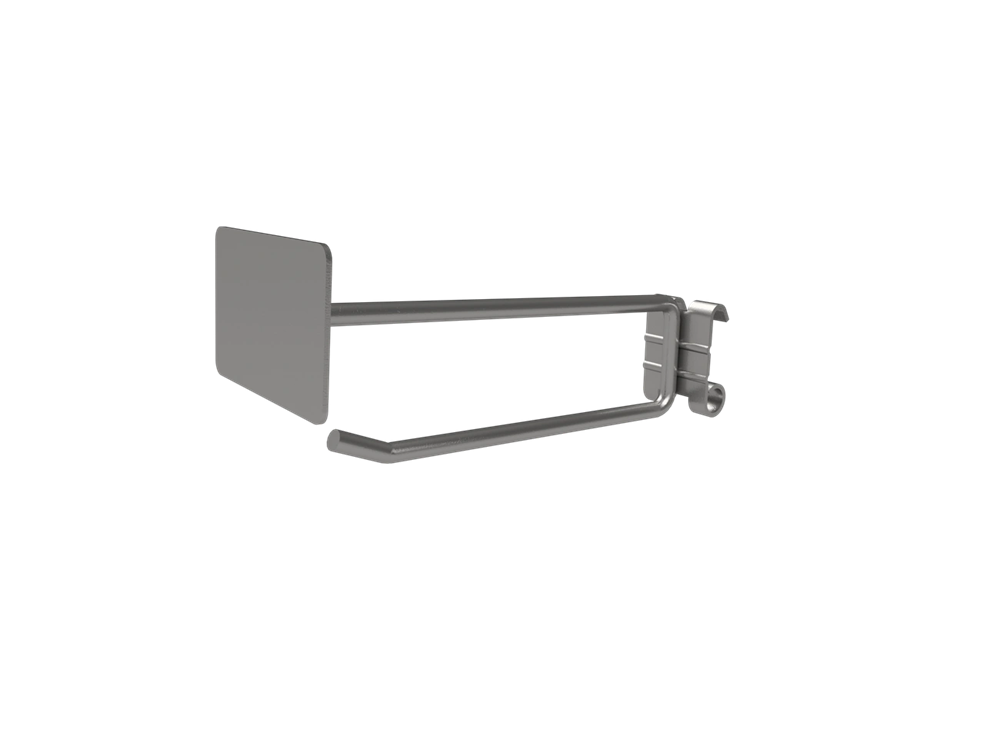
Selecting the right design specifications determines whether custom display hooks deliver measurable sales increases or function as generic fixtures. Each technical element plays a specific role in product presentation and customer interaction.
Hook Configuration and Quantity
Load capacity dictates hook material selection. Plastic hooks cost USD 0.10-0.75 and support items under 5 lbs. They suit apparel and lightweight products. Metal hooks handle 10+ lbs capacity at USD 0.80+ and accommodate tools, bottled goods, and hardware. Adjustable hook systems allow spacing modifications for different SKU sizes. MDF-reinforced back panels prevent deformation during high-volume merchandising.
Custom Card Display Structure
Custom card display configurations range from countertop stands to floor-standing models. Each pocket holds about 30 standard 3-1/2″ x 2″ cards. Premium acrylic displays feature interchangeable sign panels for seasonal updates. Budget-conscious options deliver professional presentation at lower costs for multi-store rollouts. Custom sizing adjustments accommodate specific product dimensions and retail footprints.
Material Selection for Your Products
Display structures use plastic, wire, cardboard, and wood beyond hooks. Corrugated cardboard is affordable for seasonal campaigns. Acrylic provides durability for permanent installations. Standard finishes include chrome and black for professional appearance. Custom-branded options serve promotional purposes.
Color Psychology and Brand Alignment
Between 62% and 90% of consumers form subconscious judgments about retail environments based on color within 90 seconds. Consistent color application across touchpoints reinforces brand identity and boosts recall. Accent colors direct attention to specific products. Warm tones create urgency and cool tones establish calming effects.
Size and Dimension Planning
Standard flat scan plates measure 1-3/8″ in height and 2-1/8″ in width. They fit 1/4″ diameter pegboard holes. Hook length must match product packaging dimensions. Short hooks create an understocked appearance. Long hooks cause product overlap and reduce visibility.
Print Quality and Finishing Options
Surface treatments include ivory art paper for smooth printing, metal-coated paper for subtle sheen, and laser metal-coated paper for iridescent effects. Full-color printing supports brand storytelling. Custom logo integration is available across display surfaces.
Integrating Sales-Boosting Features
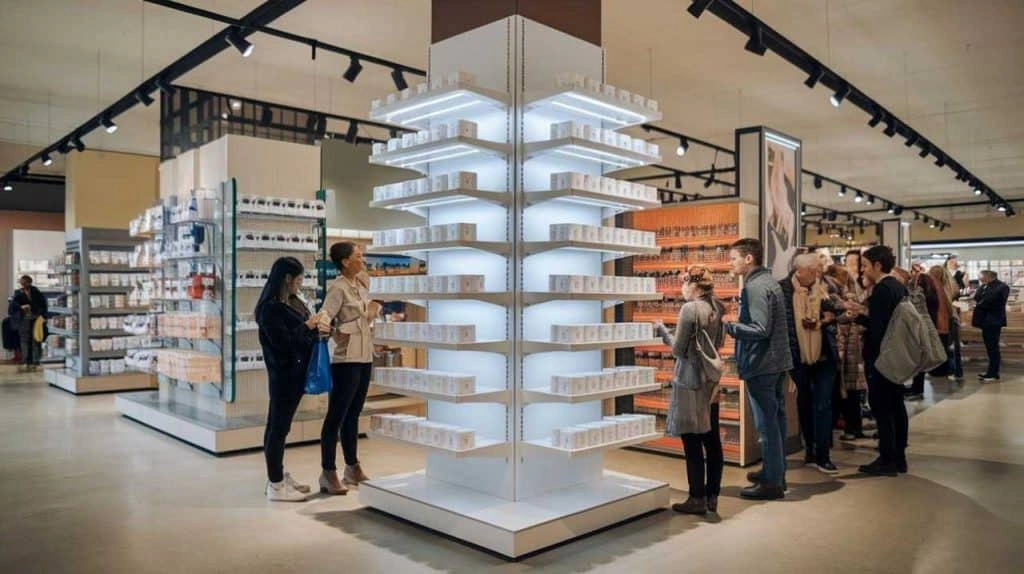
Advanced features reshape custom display hooks from simple fixtures into active sales drivers when paired with strategic implementation.
Strategic Product Positioning Techniques
Hook racks near entrance points draw attention to seasonal promotions and new arrivals. High-traffic aisles position merchandise where shoppers naturally pass, particularly near best-selling categories. Checkout zones accommodate small, low-cost items that increase impulse purchases by a lot. Multiple customer touchpoints with merchandise result from this hybrid approach.
Security Features for High-Value Items
Anti-sweep hooks prevent theft where shoplifters grab multiple items at once. Controlled access from these hooks means only one item can be removed at a time. Locking mechanisms feature magnetic keys that only staff can operate and deter opportunistic theft without expensive surveillance upgrades. Existing customers have a 60-70% probability of making a purchase, compared to 5-20% for new customers. Staff interaction during unlocking becomes valuable for upselling.
Modular Design for Seasonal Changes
Interchangeable components allow rapid display transformations without fixture replacement. Stores using modular systems report up to 20% more space efficiency compared to traditional fixed displays. Quick reconfigurations reduce labor costs and keep presentations fresh.
Cross-Selling and Upselling Opportunities
Product bundling offers supplementary items that improve primary purchases at discounted prices. Positioning complementary products together increases average order value. 40% of consumers purchase more expensive items when experiences feel tailored. Strategic placement near custom card display structures guides customers toward complete solutions rather than single purchases.
Working with Shop Fitting Specialists
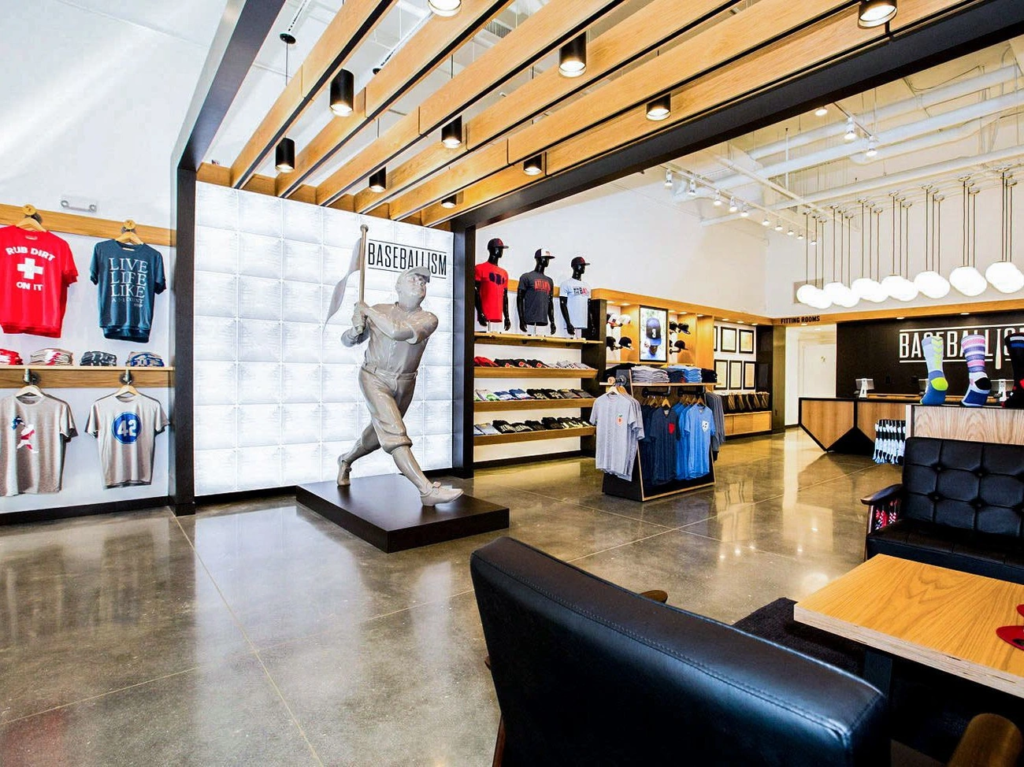
Experienced manufacturing specialists can turn design concepts into functional custom display hooks that meet retail performance standards.
Choosing the Right Manufacturing Partner
Manufacturers with in-house expertise provide one-stop solutions from project definition through production. Specialists with 12+ years of experience understand unique retail requirements and deliver both esthetic appeal and structural performance. Look for partners capable of handling color matching to brand specifications and logo application through engraving or printing processes.
Communicating Your Vision and Requirements
Client consultation should cover brand requirements, target customers, and specific product applications. Detailed product information, clear design requirements, realistic budgets, and expected quantities help the development process. Most projects need 1-1.5 weeks for concept development.
Prototyping and Approval Process
Prototyping takes 2-3 weeks generally, though shipping may extend this period. Physical prototypes serve as full-scale models built from design plans. They represent size, layout, functionality, and aesthetics. This stage allows testing of materials, colors, and graphics before large-scale production. Plan minimum 90-120 days for complete custom display hook programs.
Installation and Retail Fit Out Considerations
Professional installations require patience and detailed planning. Extra time beyond manufacturing ensures setup completion before store openings. Rushed timelines lead to compromised results. Buffer time prevents missed launch dates.
Conclusion
Retailers now possess everything in design to create custom display hooks that increase sales. Eye-level positioning and strategic material selection transform basic fixtures into revenue-generating merchandising tools. Color psychology plays a role, too. Working with experienced shop fitting specialists will give these concepts the functional form that boosts store ambiance and customer experience. Custom display hooks that are well-designed and properly implemented create lasting impressions. They influence purchasing decisions and improve bottom-line results.
FAQs
Q1. How do display hooks actually increase product sales? Display hooks boost sales by maximizing product visibility and accessibility. When positioned at eye level (48-60 inches from the floor), they can increase product visibility by up to 35% and generate 20% higher sales compared to lower placements. They also enable quick product scanning and browsing, which is crucial since shoppers make purchasing decisions within seconds of viewing items.
Q2. What materials should I choose for custom display hooks? Material selection depends on your product weight and budget. Plastic hooks cost $0.10-0.75 and work well for lightweight items under 5 lbs like apparel. Metal hooks cost $0.80+ and support heavier products over 10 lbs such as tools and bottled goods. For the display structure itself, options include acrylic for durability, corrugated cardboard for cost-effective seasonal campaigns, and wire or wood for specific esthetic needs.
Q3. How can I use display hooks to prevent theft of high-value items? Anti-sweep hooks are specifically designed to prevent shoplifters from grabbing multiple items at once by allowing only one product to be removed at a time. For additional security, consider hooks with locking mechanisms that require magnetic keys operated only by staff. These features deter opportunistic theft without requiring expensive surveillance upgrades.
Q4. What role does color play in display hook design? Color psychology significantly impacts customer behavior, with 62-90% of consumers forming subconscious judgments about retail environments based on color within 90 seconds. Consistent color application across display hooks reinforces brand identity and enhances recall. Warm tones create urgency for impulse purchases, while cool tones establish a calming shopping atmosphere. Accent colors can direct attention to specific high-margin products.
Q5. How long does it take to develop and install custom display hooks? The complete process typically requires 90-120 days minimum. This includes 1-1.5 weeks for concept development, 2-3 weeks for prototyping (plus shipping time), followed by manufacturing and installation. It’s important to build buffer time into your timeline to ensure proper setup completion before store openings, as rushed installations often lead to compromised results.