
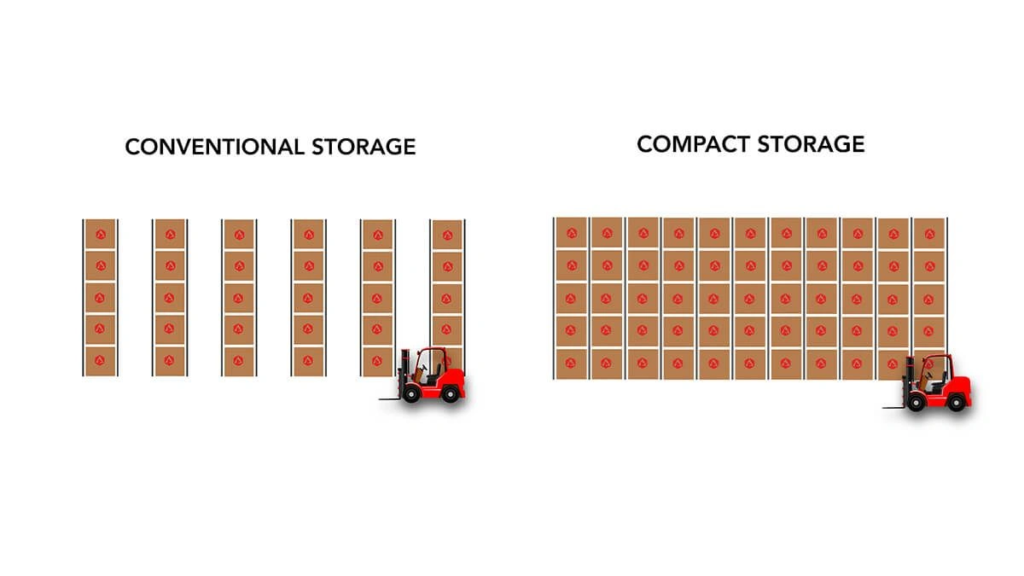
Selective pallet racking and drive-through rack systems offer two completely different approaches to warehouse storage. Most warehouses around the world use selective pallet racking as their go-to storage solution. Drive through racking packs more storage space, but make access harder. Warehouse managers need to assess their exact needs before they invest in either system.
These systems differ in several ways. Drive-in and drive-through racks make the best use of space by needing fewer forklift aisles. Selective pallet racks, on the other hand, give better access and let you rotate products easily. The main difference lies in how they handle inventory – drive-through pallet racks let you access products from both ends, which works great for warehouses that need quick product turnover.
Your warehouse needs will help you pick the right system. Product turnover speed, inventory types, and space limits all play a role. This piece dives deep into both systems and compares their build, inventory flow, space use, and costs to help you find the perfect fit for your warehouse.
Understanding the Core Structures
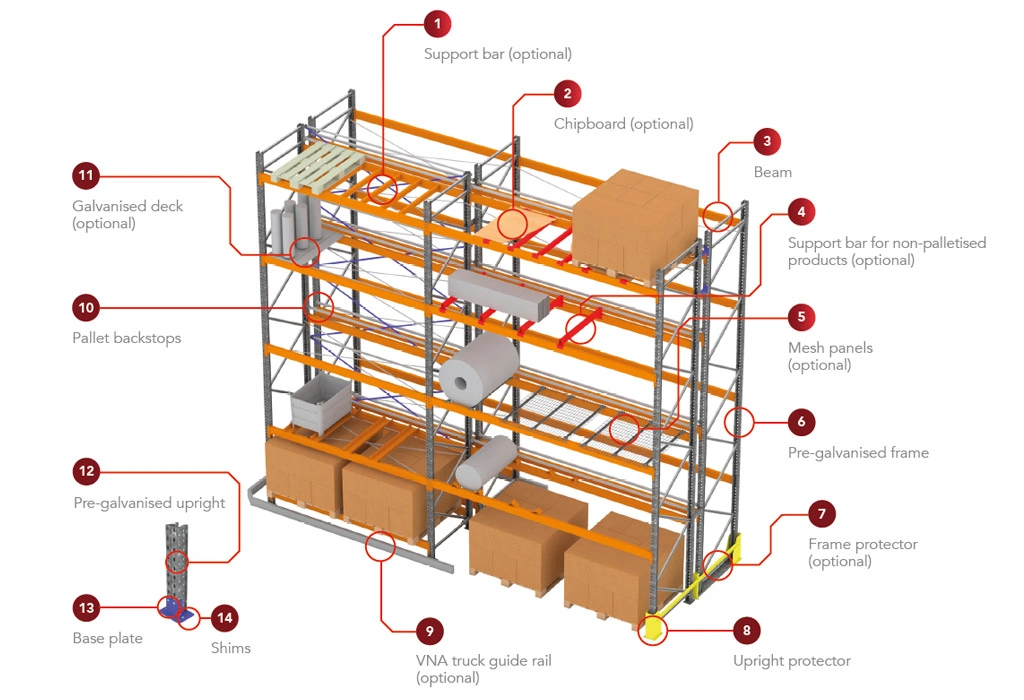
Warehouse storage systems differ mainly in their structural designs. Each system provides unique benefits that depend on how its components work together.
Selective Pallet Rack: Uprights, Beams, and Decking
A selective pallet racking system combines three main components to create a flexible storage solution. Uprights (also called frames) create the vertical structure and come in depths of 36″, 42″, or 48″. Horizontal and diagonal struts connect these frames to ensure stability. Beams serve as the system’s backbone by running horizontally between uprights and supporting the stored materials’ weight. Modern beams typically feature teardrop-shaped slots with automatic locking devices that prevent accidental dislodgment. The third key component, wire decking, adds support for pallets and stops products from falling through the shelf levels. This simple design lets workers access every pallet directly without moving others.
Drive-Through Racking: Support Rails and Dual Access Aisles
Drive-through rack systems use a completely different structure that prioritizes density over accessibility. These systems feature support rails running the entire rack depth, which lets pallets stack multiple positions deep. The design creates lanes inside the racking where forklifts can operate, reducing the need for separate aisles. Drive-through systems feature dual access points that allow forklifts to enter from one end and leave through the other. This setup works well for First-In-First-Out (FIFO) inventory management and suits time-sensitive products that need regular rotation. The structure stays rigid by connecting to overhead bracing or the building’s overhead structure.
Drive-In and Drive-Through Racking: Shared Components Explained
Drive-in and drive-through systems share several key structural elements despite working differently. Both systems use upright frames with horizontal bracing to create a self-supporting structure. They also use pallet rails (or support rails) where pallets rest after being lifted into position. These rails come in different styles – from basic structural angles to specialized Z-rails that handle more weight and reduce rotation. Both systems need stronger components than selective racking because forklifts might hit them more often. The main structural difference shows up in the anchor bays – drive-in systems have one at the rear for stability, while drive-through systems need internal anchor bays to stay stable while allowing access from both ends.
Inventory Flow and Accessibility
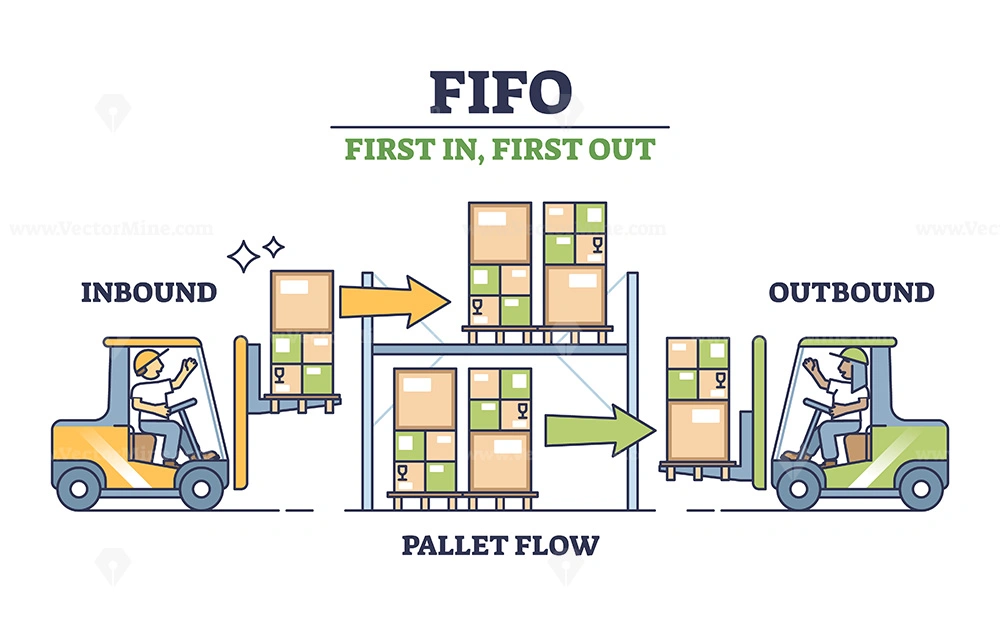
Warehouse racking choices depend heavily on inventory management strategies. The way these systems are designed shapes product flow through facilities and their operational efficiency.
FIFO vs LIFO: How Each System Handles Stock Rotation
Drive through racking helps implement First-In-First-Out (FIFO) inventory management with forklift access from both ends. This design lets workers access the oldest stock first—a must for perishable goods that need strict rotation. These drive through systems work great in food, beverage, and chemical storage industries where product freshness matters most.
Selective racking works well with both FIFO and LIFO approaches, giving you flexibility based on what you need. Drive-in racking looks like drive-through systems but follows Last-In-First-Out (LIFO) principles strictly. This makes drive-in setups perfect for non-perishable, similar products like construction materials or metal products.
Direct Access: 100% vs Limited Pallet Reach
Workers can reach every stored pallet right away in selective pallet racking without moving others . This quick access makes selective systems perfect for warehouses that need frequent stock rotation. Each pallet stays accessible, whatever its position in the rack structure.
Drive through systems limit access since workers must reach pallets in sequence within lanes. These systems focus on density rather than selectivity and need careful inventory placement planning. You get much more storage space in exchange for reduced accessibility.
SKU Variety Handling: Mixed vs Homogeneous Inventory
Selective racking handles diverse product inventories well. The design works great for warehouses managing many SKUs with different turnover rates. This flexibility is a great way to get regular access to multiple product types.
Drive-through racking works best with homogeneous inventory—multiple pallets of similar products. Each lane needs one SKU type to avoid moving things twice. While this makes drive-through systems less ideal for warehouses with varied products, they excel at storing uniform items in bulk.
Space Utilization and Layout Efficiency
Racking systems play a key role in warehouse layout efficiency. Space utilization across the facility depends heavily on choosing between drive through and selective racking systems.
Aisle Requirements: Single vs Dual Entry
Warehouse walls are perfect for drive-in racking installation since they need only one available end for forklift operation. This setup makes the best use of peripheral space. Both ends must be accessible in drive-through racking, which affects how docks are laid out and how products flow. Traffic patterns and the warehouse’s overall design depend on this dual-access setup. Each row in selective racking needs 8-9 foot wide aisles for forklifts to operate. This layout values easy access over storage density.
Vertical Storage Potential: Height Limitations Compared
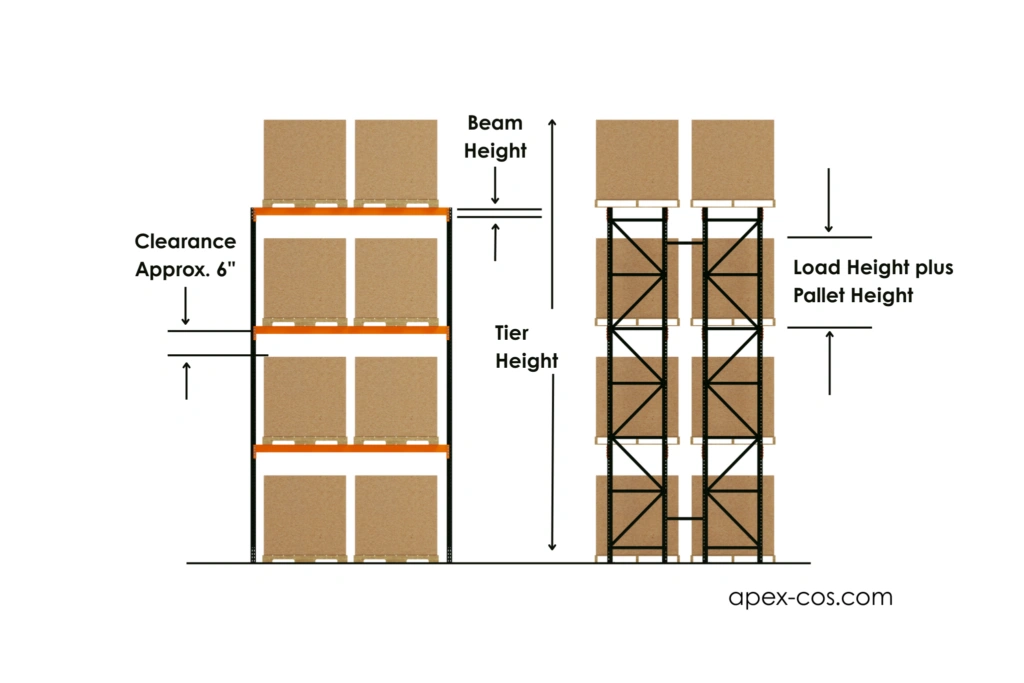
Each system uses vertical space differently but effectively. Warehouse heights have evolved from 16 feet in the 1970s to 32-40 feet in modern facilities. These taller spaces allow for more flexible pallet rack setups. Drive-in and drive-through systems are excellent for high-density vertical storage and use more than 80% of available space. Selective racking’s beam placements can be adjusted to fit different load sizes, offering more flexibility in height adjustments.
Warehouse Footprint Optimization: Which Saves More Space?
Drive through racking needs fewer forklift aisles, which leads to better cubic space efficiency. Double-deep selective rack layouts can cut the needed aisles by half compared to standard selective setups. Notwithstanding that, drive-in systems are more space-efficient—using over 80% of space compared to selective racking’s lower rates. Cold storage facilities benefit from drive-in and drive-through configurations because less cubic space means lower utility costs.
Cost, Maintenance, and Scalability
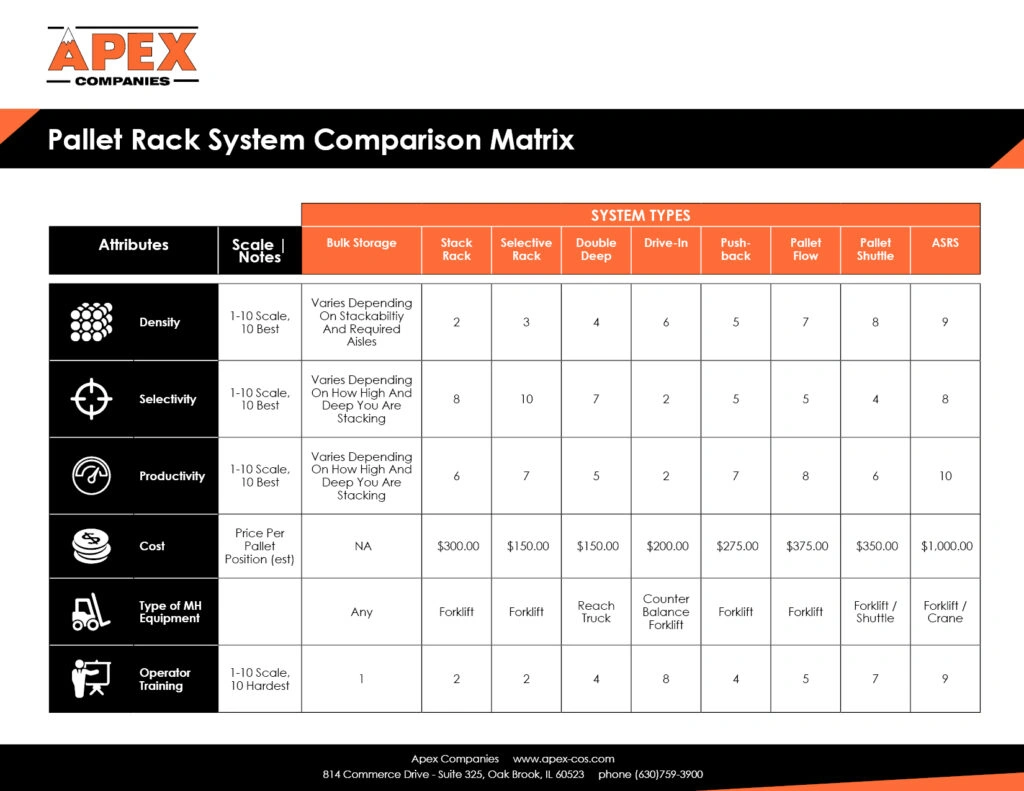
Money plays a vital role in choosing warehouse racking systems. The choice depends on both original and running costs.
Installation and Equipment Costs
A selective pallet racking system costs less upfront, with prices between $55-$200 per pallet position. The drive through racking needs more money at first, costing $115-$500 per pallet position. This price difference exists because drive through systems need special parts and take more time to install. The installation adds 15-35% to equipment costs. Drive through systems make up for their higher price by saving space. This becomes valuable in cold storage where less cubic space means lower utility bills.
Maintenance Needs and Forklift Damage Risk
Forklifts cause the most damage to both systems. The drive through racking has a higher risk of damage since forklifts work inside the lanes. Both systems need regular checks to stay safe. Teams should do daily visual checks and weekly inspections of lower levels. The whole system needs monthly reviews and yearly expert checks. Using protective gear like push-through guards, safety pins, and floor-mounted rack protectors cuts maintenance costs by a lot.
Future Expansion: Adjustability and Modernizing
The selective racking gives you more options to make changes later. Different manufacturers’ parts work together because of standard designs. You can adjust selective systems as your needs change. This can boost output by 20-30%. Drive-through systems don’t adapt as easily, but you can modernize them to pack more into existing warehouses.
Comparison Table
| Feature | Drive-Through Rack | Selective Racking |
|---|---|---|
| Core Structure | Support rails running depth of rack, dual access points, overhead bracing | Uprights, beams with teardrop slots, wire decking |
| Inventory Management | FIFO (First-In-First-Out) capable | Excellent in a variety of product mixes |
| Product Access | Limited – sequential access within lanes | 100% direct access to all pallets |
| SKU Handling | Best for homogeneous inventory | Excellent in a variety of product mix |
| Space Utilization | >80% space utilization, needs dual-end access | Lower space efficiency, needs aisles between each row |
| Aisle Requirements | Minimal – forklifts operate within lanes | 8-9 feet wide aisles between rows |
| Cost per Pallet Position | $115-$500 | $55-$200 |
| Damage Risk | Higher risk due to forklift operation within lanes | Lower risk |
| Flexibility | Limited modernization options | Highly flexible, can be rearranged |
| Best Suited For | Food, beverage, chemical storage, cold storage | Warehouses with frequent stock rotation, varied inventory |
Conclusion
The choice between drive-through racks and selective racking depends on your warehouse’s specific needs rather than which system works better overall. Both options shine in different situations based on what you just need to accomplish.
Selective racking gives you universal accessibility. Your warehouse staff can reach any pallet without moving others. This makes it perfect for operations that handle many SKUs with different turnover rates. The system also lets you make changes easily as your business grows and evolves.
Drive-through racking optimizes storage density but trades off some accessibility. This is a big deal as it means that space utilization goes beyond 80% compared to selective racking’s lower efficiency. Warehouses that prioritize storage over quick access do better with drive-through setups. This density becomes especially valuable when you have cold storage facilities since less cubic space means lower utility costs.
Your inventory management approach also shapes this decision by a lot. Drive-through systems make FIFO (First-In-First-Out) inventory management easier through dual-end access – perfect for perishable goods that need strict rotation. Selective racking works well with both FIFO and LIFO approaches, giving you flexibility based on what you need.
Cost is a vital factor too. Drive-through systems need more money upfront ($115-$500 per pallet position vs $55-$200 for selective), but their space efficiency often pays off by reducing your facility’s footprint.
Warehouse managers should assess their product turnover rates, inventory variety, space limits, and budget carefully before picking either system. The right choice optimizes operations while the wrong one creates unnecessary costs and workflow issues. Both systems work great in different warehouse scenarios when matched properly to operational needs.
Key Takeaways
Understanding the fundamental differences between drive-through and selective racking systems helps warehouse managers make informed decisions that optimize both storage efficiency and operational workflow.
• Drive-through racking maximizes storage density (>80% space utilization) but limits accessibility, making it ideal for homogeneous inventory and cold storage facilities
• Selective racking provides 100% direct pallet access and handles diverse SKUs effectively, though it requires more aisle space and offers lower storage density
• Drive-through systems enable FIFO inventory management through dual-end access, perfect for perishable goods requiring strict rotation protocols
• Initial costs favor selective racking ($55-$200 per position) over drive-through ($115-$500 per position), but space efficiency often justifies the premium
• Selective racking offers superior reconfigurability for future expansion, while drive-through systems face higher forklift damage risk due to lane operations
The choice between these systems should align with your specific warehouse requirements including product turnover rates, inventory variety, space constraints, and budget considerations. Neither system is universally superior—success depends on matching the right solution to your operational needs.
FAQs
Q1. What are the main differences between drive-through and selective racking systems? Drive-through racking maximizes storage density but limits accessibility, ideal for homogeneous inventory. Selective racking provides 100% direct pallet access and handles diverse SKUs effectively, though it requires more aisle space.
Q2. How do drive-in and drive-through racking systems differ in terms of inventory management? Drive-through racking enables FIFO (First-In-First-Out) inventory management with dual-end access, suitable for perishable goods. Drive-in racking operates on LIFO (Last-In-First-Out) principles, better for non-perishable, homogeneous products.
Q3. Which racking system is more cost-effective? Initially, selective racking is more cost-effective ($55-$200 per pallet position) compared to drive-through racking ($115-$500 per position). However, drive-through systems can be more economical long-term due to their space efficiency, especially in cold storage facilities.
Q4. How do these racking systems compare in terms of space utilization? Drive-through racking achieves over 80% space utilization by minimizing aisles. Selective racking offers lower space efficiency but provides greater flexibility and accessibility, requiring aisles between each row.
Q5. Which racking system is more adaptable for future changes? Selective racking offers superior reconfigurability and flexibility for future modifications. It can be easily adjusted to accommodate changing needs, potentially increasing productivity by 20-30%. Drive-through systems are less adaptable but can sometimes be retrofitted to enhance density in existing warehouses.