
Key Takeaways
Understanding the differences between display hooks and shelf-with-hooks systems helps retailers optimize their merchandising strategy and maximize space efficiency.
• Display hooks offer superior flexibility with easy reconfiguration and lower costs, making them ideal for stores requiring frequent layout changes and maximum product density per square foot.
• Shelf with hooks systems provide dual-function displays perfect for mixed merchandise, combining horizontal storage with hanging capabilities but requiring higher upfront investment.
• Products displayed at eye level on hooks are 27% more likely to be purchased, while hook displays near checkout counters increase impulse purchases by up to 35%.
• Weight capacity varies significantly: gridwall hooks support 20 lbs while heavy-duty slatwall versions handle up to 30 lbs, requiring careful selection based on merchandise weight.
• Installation complexity differs greatly – display hooks require minimal setup while shelf systems need permanent wall mounting with proper anchoring to wall studs for stability.
The choice between these systems should align with your store’s specific needs: display hooks for maximum flexibility and cost-effectiveness, or shelf-with-hooks for integrated storage solutions that enhance visual merchandising appeal.
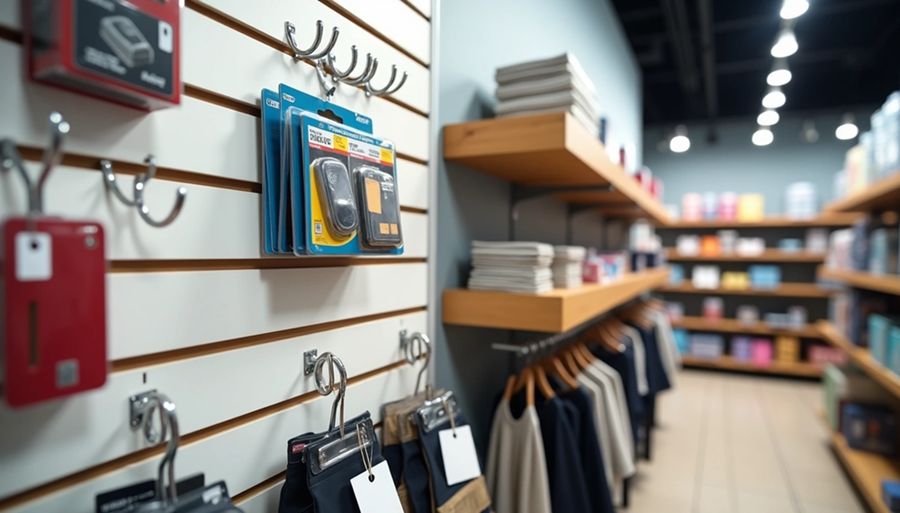
Choosing between a shelf with hooks and standalone display hooks can affect retail merchandising efficiency and customer experience by a lot. Both solutions maximize vertical space, but they serve different purposes. Store layout, product types, and display flexibility needs determine which works better. Display hooks on platforms like Amazon have earned ratings between 4.7 and 4.8 out of 5 stars, showing strong retailer satisfaction. Options such as wall shelf with hooks, floating shelf with hooks, and display rack hooks offer varied configurations for different retail environments. Retailers must think over factors like installation requirements, weight capacity, and long-term adaptability when selecting the right solution. This piece breaks down the key differences to help store owners make informed decisions that improve product visibility and optimize available space.
Understanding Display Hooks vs Wall Shelf with Hooks
What Are Display Hooks for Retail Stores
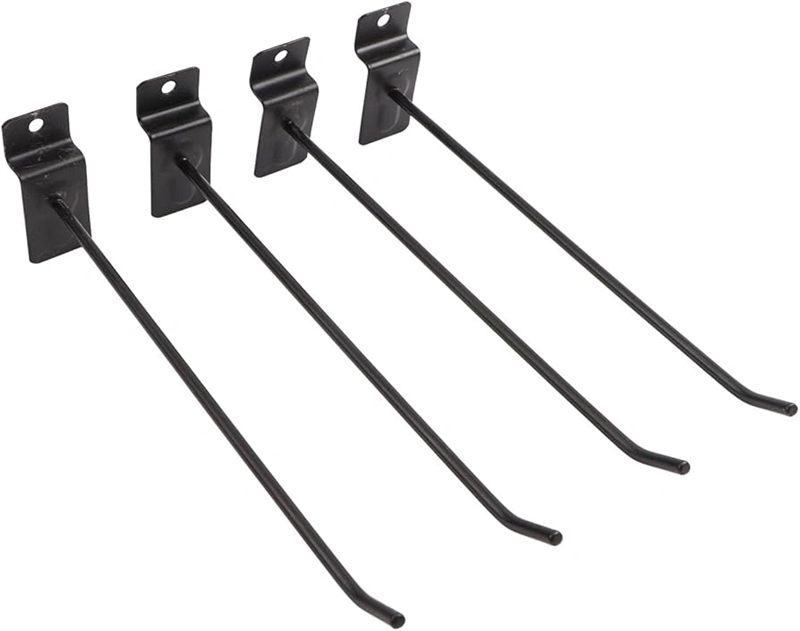
Display hooks serve as detachable merchandising accessories that attach to retail panel systems of all types. These fixtures hold products equipped with euro slots or hang tabs and are referred to as euro hooks. They create vertical displays that save floor space. Retail stores use multiple hook types depending on their wall systems: pegboard hooks push into perforated holes, slatwall hooks slide into horizontal grooves, and gridwall hooks attach to wire mesh panels. Each hook features an upward-bent end that prevents products from sliding off.
Material choices affect durability and cost. Metal hooks provide strength for heavy items and long-term support. Plastic options suit lighter products and temporary displays. Scanner hooks add a mounting point at the hook’s end for label holders and range from 2 to 12 inches in length. FastStab hooks use rear spikes for quick installation on corrugated displays, while cliphead hooks clip onto wire grids and mesh panels.
What Are Shelves with Hooks and Their Variations
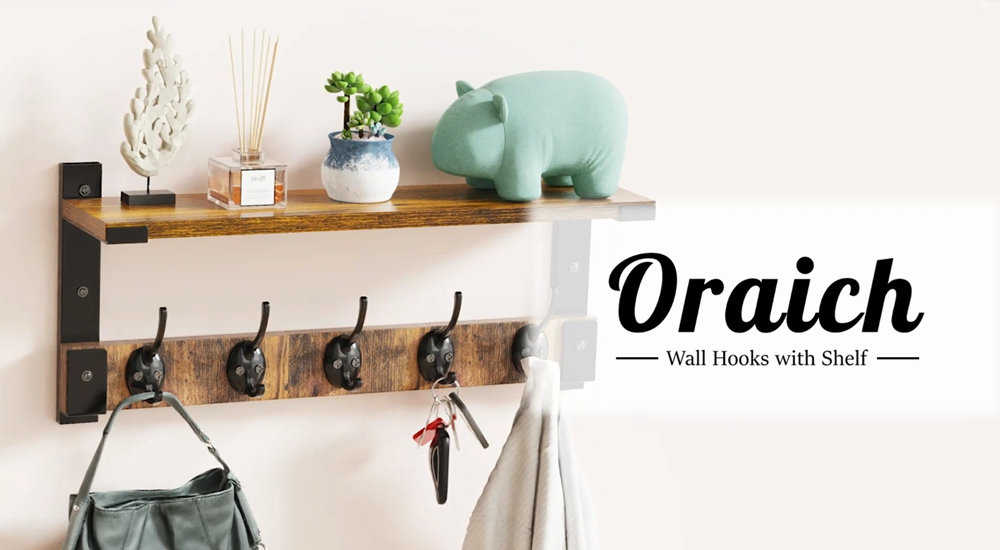
A wall shelf with hooks combines horizontal storage surfaces with hanging points below. These dual-function units handle items that require both display space and hanging storage. Variations include entryway shelf with hooks for coats and bags, and floating shelf with hooks that mount without visible brackets. Multi-tiered systems stack storage vertically.
Floating Shelf with Hooks vs Traditional Display Rack Hooks
Floating shelf with hooks offers integrated storage where the shelf component displays folded merchandise or decorative items while hooks below handle hanging products. Traditional display rack hooks attach to pegboard, slatwall, or gridwall without shelf support. The floating design creates a cleaner visual appearance but limits hook repositioning. Standalone hooks allow unlimited reconfiguration.
When Each Solution Works Best
Display hooks excel in stores requiring frequent layout changes and maximum product density per square foot. They work for lightweight packaged goods and hang-sell items. Shelf with hooks suits retailers displaying mixed merchandise that combines folded and hanging products, especially when you have entryways or areas needing visual anchors with functional storage.
Space Requirements and Installation Considerations
Wall Space Needed for Display Hooks
Gridwall panels optimize wall space through lightweight wire-grid construction that sits flush against mounting surfaces. The minimal depth saves floor space compared to freestanding fixtures. Retailers can position hooks at any height along the grid structure, which allows unlimited vertical configuration. Slatwall panels maximize wall space as well, but need more planning due to groove spacing set at 3-inch intervals, with premium versions using 6-inch spacing.
Installation Requirements for Entryway Shelf with Hooks
Wall-mounted shelf with hooks demands proper anchoring to support dynamic loads from items being added and removed repeatedly. Predrilling holes and securing the backing board to the wall studs provides the needed stability. The shelf component attaches from behind using screws, with wood glue adding reinforcement. French cleats provide alternative mounting methods for a floating shelf with hook designs.
Slatwall and Gridwall Compatibility
Gridwall hooks feature prongs designed to wrap around wire frames, whereas slatwall hooks use small tabs that slide into grooved slots. These mounting mechanisms are not interchangeable. Attempting to use gridwall hooks on slatwall creates unsafe displays and potential product damage. Each system needs its dedicated accessories for secure attachment.
Permanent vs Adjustable Mounting Options
Gridwall offers high flexibility with easy transport and minimal installation effort. The system adapts quickly to changing layouts. Slatwall mounts permanently by screwing directly into wall studs. Brick or concrete walls may need additional drywall layers or wooden grid systems before slatwall installation. So slatwall suits long-term retail buildouts while gridwall serves temporary setups and seasonal displays.
Product Display Capacity and Merchandising Flexibility
Weight Load Limits for Display Hooks
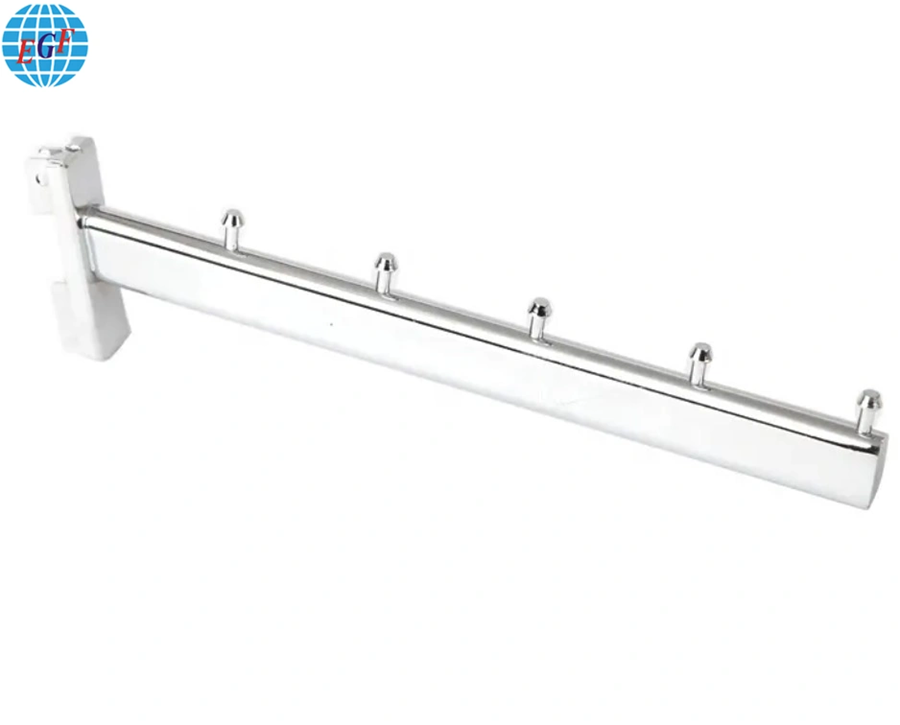
Commercial-grade hooks support varying weights based on construction materials and wire thickness. Standard gridwall hooks hold 20 lbs per hook, while heavy-duty slatwall versions support up to 30 lbs. Hook selection depends on merchandise weight: single-prong hooks suit lightweight accessories, whereas double-prong designs prevent heavier items from slipping. Wire thickness and upturn angles contribute to load stability. Longer hooks accommodate bulkier products. The 10-inch options are engineered for oversized merchandise like winter apparel and power equipment.
Shelf with Hooks Storage Combinations
Shelves combined with hooks create hybrid displays that handle folded merchandise with hanging products. Apparel retailers benefit from this dual-function approach when displaying garments and accessories together. Slatwall systems accept various accessories, including peg hooks and shelf brackets. This optimizes displays for items ranging from jewelry to clothing.
Adapting to Different Product Types
Modular fixtures allow retailers to adjust shelf heights and hook configurations based on product portfolios. Commercial-grade systems use reinforced steel components tested for frequent reconfiguration without bending or failure. Maintenance costs reduce when components require replacement because interchangeable parts make the process simple.
Seasonal Display Changes and Reconfiguration
Modular displays adapt to new promotions through on-site component swaps. Slatwall panels aid easy reconfiguration for changing inventory and seasonal product lines. This flexibility proves valuable when transitioning between holiday displays and regular merchandise rotations.
Cost Comparison and ROI for Retail Spaces

Original Investment: Hooks vs Shelf Systems
Retail display hooks represent a relatively inexpensive merchandising solution that doesn’t require large capital investments. Wall shelf with hooks systems, however, need higher upfront expenditure, with installation costs ranging from USD 21.67 to USD 33.48 per linear foot. Focusing on lowest original spending alone can lead to hidden costs over time. Cheaper alternatives often fail prematurely and require frequent replacement.
Maintenance and Replacement Costs
Display hooks manufactured from high-grade materials carry higher price tags. This original outlay gets offset by years of reliable service. Interchangeable backplate designs across multiple hook styles simplify ordering and reduce inventory complexity. They lower the risk of staff using wrong components that cause display instability. Quality display rack hooks maintain functionality and appearance, which reduces continuous maintenance expenses.
Space Utilization Value
Products positioned at eye level on hooks are 27% more likely to be picked up than those on lower shelves. Display hook racks placed near checkout counters can increase last-minute purchases by up to 35%. Hanging displays reduce shelf clutter and help shoppers identify needed items faster.
Long-Term Merchandising Benefits
Quick-loading hooks allow staff to focus on serving customers rather than restocking. Faster replenishment translates into fewer lost sales on account of out-of-stock items. Systems with futureproofing capabilities enable easy product line changes over time without requiring complete fixture replacement.
Comparison Table
Comparison Table: Display Hooks vs Shelf with Hooks for Retail Merchandising
| Feature/Attribute | Display Hooks | Shelf with Hooks |
|---|---|---|
| Simple Description | Detachable merchandising accessories that attach to retail panel systems (pegboard, slatwall, gridwall) | Combined horizontal storage surface with hanging points below for dual-function display |
| Customer Satisfaction | 4.7-4.8 out of 5 stars on Amazon | Not mentioned |
| Primary Function | Hold products with euro slots or hang tabs; create vertical displays | Display folded merchandise on shelf while hooks below handle hanging products |
| Installation Complexity | Hooks push into holes, slide into grooves, or attach to wire mesh with minimal effort | More complex – requires predrilling, wall stud anchoring, screws, and wood glue |
| Wall Space Requirements | Minimal depth; sits flush against mounting surfaces | Requires more depth due to shelf component |
| Mounting Flexibility | Highly flexible – unlimited repositioning and reconfiguration | Limited repositioning once installed; fixed configuration |
| Mounting Type | Adjustable/removable (gridwall easily transportable; slatwall permanent) | Permanent mounting to wall studs |
| Weight Capacity | 20-30 lbs per hook (gridwall: 20 lbs; heavy-duty slatwall: 30 lbs) | Not mentioned |
| Material Options | Metal (for heavy items, long-term use) and plastic (for lighter products, temporary displays) | Not mentioned |
| Original Investment | Inexpensive; no large capital investment required | Higher upfront cost (USD 21.67-33.48 per linear foot installation) |
| Maintenance Costs | Lower with high-grade materials; interchangeable parts reduce inventory complexity | Not mentioned |
| Best Use Cases | Frequent layout changes, maximum product density, lightweight packaged goods, accessories, hang-sell items | Mixed merchandise (folded and hanging products), entryways, areas needing visual anchors with functional storage |
| Reconfiguration Speed | Quick and easy – on-site component swaps for seasonal changes | Slower – requires reinstallation for major changes |
| Visual Appearance | Functional, industrial look | Cleaner visual appearance with floating designs |
| Product Visibility Effect | Products at eye level 27% more likely to be picked up; near checkout increases impulse purchases by 35% | Not mentioned |
| Restocking Efficiency | Quick-loading capability allows faster replenishment | Not mentioned |
| Suitable for Temporary Displays | Yes (especially gridwall systems) | No – requires permanent installation |
| Suitable for Long-term Buildouts | Yes (especially slatwall systems) | Yes |
| Product Type Adaptability | High – modular systems adjust to different product portfolios | Moderate – handles both folded and hanging items but less flexible |
Conclusion
The display hooks versus shelf with hooks decision ends up depending on your specific retail environment and merchandising strategy. Display hooks offer flexibility and lower costs for stores requiring frequent layout changes. Shelf with hooks provides dual-function displays ideal for mixed merchandise presentations. Think over your product types and budget constraints when making this choice. Our commercial specialists can help revolutionize your retail space with fixtures that match your merchandising goals and boost customer experience. We have over 12 years of shop fitting expertise.
FAQs
Q1. What is the main difference between display hooks and shelves with hooks for retail stores? Display hooks are detachable accessories that attach to retail panel systems like pegboard, slatwall, or gridwall to hold hanging products vertically. Shelves with hooks combine a horizontal storage surface with hanging points below, allowing retailers to display both folded merchandise on top and hanging items underneath in a single fixture.
Q2. How much weight can retail display hooks typically support? Standard gridwall hooks can hold up to 20 lbs per hook, while heavy-duty slatwall hooks support up to 30 lbs. The weight capacity depends on construction materials, wire thickness, and hook design. Single-prong hooks work best for lightweight accessories, while double-prong designs prevent heavier items from slipping off.
Q3. Which option is more cost-effective for retail merchandising? Display hooks require a lower initial investment and are relatively inexpensive without large capital requirements. Wall shelves with hooks have higher upfront costs, with installation ranging from $21.67 to $33.48 per linear foot. However, high-quality display hooks made from durable materials offer better long-term value by reducing replacement and maintenance costs.
Q4. Can display hooks be easily reconfigured for seasonal merchandise changes? Yes, display hooks offer excellent flexibility for seasonal changes and layout adjustments. Gridwall systems are particularly easy to reconfigure with minimal effort, while slatwall hooks can be repositioned within their groove system. This allows retailers to quickly adapt displays for new promotions, holiday merchandise, and changing inventory without major reinstallation.
Q5. How do display hooks impact product visibility and sales? Products positioned at eye level on hooks are 27% more likely to be picked up by customers compared to items on lower shelves. Display hook racks placed near checkout counters can increase impulse purchases by up to 35%. Additionally, hanging displays reduce shelf clutter, helping shoppers identify products faster and improving the overall shopping experience.