
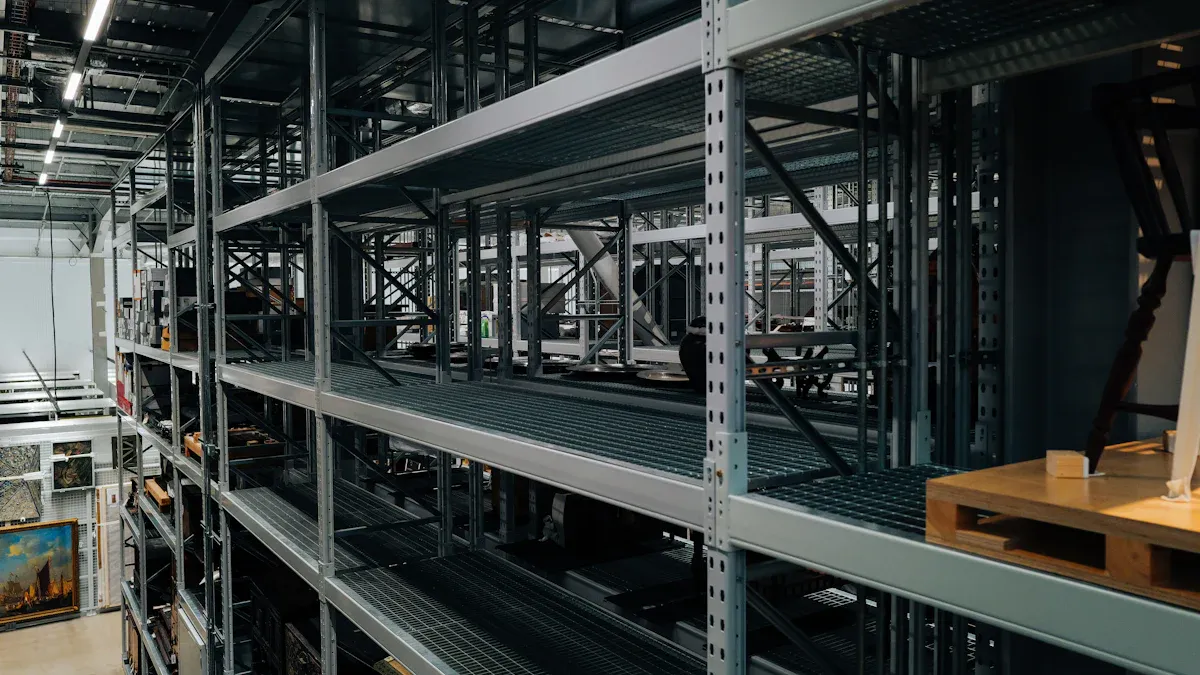
China stands as a leading hub for the manufacturing of steel supermarket shelves, driven by advanced technology and a skilled workforce. The production process involves precise engineering and efficient assembly lines. Notably, factories like Supermarket Equipment Metal Supermarket Shop Shelf and Gui Chang China Guichang produce around 2,000 sets or units daily. This remarkable output highlights China’s capability to meet global demand while ensuring product quality and durability.
Key Takeaways
- China leads in manufacturing steel supermarket shelves, producing around 2,000 units daily, showcasing efficiency and quality.
- Stainless steel and carbon steel are the primary materials used, each offering unique benefits for durability and cost-effectiveness.
- Coatings like powder coating and galvanizing enhance the shelves’ resistance to corrosion and improve their appearance.
- The manufacturing process involves precise design, cutting, welding, and assembly, ensuring high-quality and durable products.
- Quality control measures include rigorous inspections and testing to guarantee that safety and performance standards are met.
- Sustainable practices, such as recycling materials and energy-efficient processes, are increasingly prioritized in production.
- Automation in production enhances efficiency, allowing manufacturers to meet high demand while maintaining quality.
- Choosing steel supermarket shelves from China offers cost advantages due to established supply chains and competitive pricing.
Materials Used in Steel Supermarket Shelves
Types of Steel
The choice of steel significantly impacts the durability and functionality of steel supermarket shelves. Manufacturers primarily utilize two types of steel:
- Stainless Steel: This type is renowned for its exceptional durability and moisture resistance. It requires minimal maintenance, making it ideal for environments where cleanliness is paramount.
- Carbon Steel: Often employed with powder-coated or galvanized finishes, carbon steel offers a cost-effective solution. It provides robust support, particularly in high-traffic areas where shelves endure frequent use.
Coatings and Finishes
Coatings and finishes play a crucial role in enhancing the longevity and appearance of steel supermarket shelves. Various options are available, each offering distinct benefits:
- Powder Coating: This finish provides excellent corrosion resistance and durability. It is particularly suitable for light-duty retail applications and freezer environments. Additionally, formulations exist that meet food safety standards for unpackaged food processing.
- Hot-Dipped Galvanizing: This method chemically bonds zinc to steel, offering maximum resistance to rust and corrosion. It is ideal for harsh outdoor conditions and wet indoor spaces.
- Zinc Plating: A thinner layer of zinc is applied through electrochemical deposition. This coating is suitable for lighter-duty applications and areas exposed to moisture.
The choice of coating affects both the durability and aesthetic appeal of the shelves. For instance, a high-quality powder coat acts as a barrier against moisture, preventing rust and maintaining a clean appearance over time.
Additional Components
Steel supermarket shelves often include various additional components that enhance their functionality and safety. These components include:
| Component | Description |
|---|---|
| Shelf Clips | Lock into place on uprights, allowing for easy shelf adjustment without tools. |
| Anchoring Hardware | Includes anchors and foot plates to secure shelving to the floor for safety. |
| Dividers | Adjustable dividers that attach with fasteners to organize shelf space. |
| Label Holders | Hold paper strips for easy identification of items on shelves. |
| Bin Fronts | Attach to shelves with plastic fasteners to prevent items from rolling off. |
| Base Strips | Seal off the bottoms of shelving units to keep items from rolling underneath. |
These components not only improve the organization of products but also enhance the overall safety and usability of steel supermarket shelves.
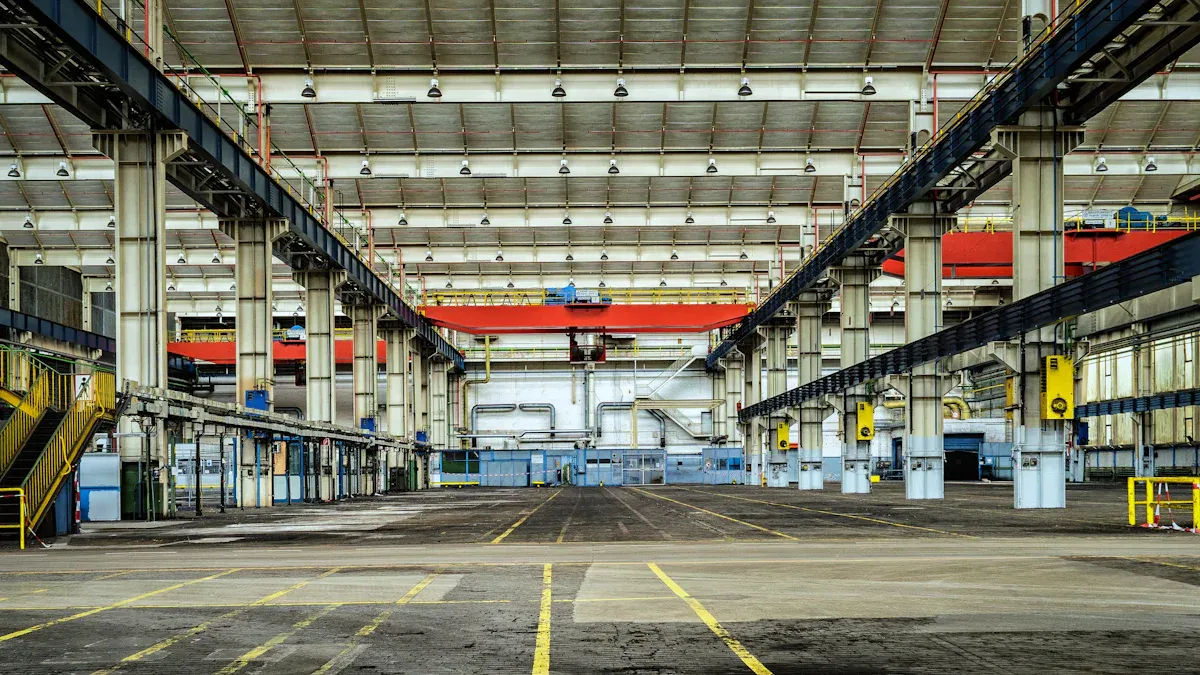
Step-by-Step Manufacturing Process of Steel Supermarket Shelves
Design and Prototyping
The manufacturing process begins with design and prototyping. Engineers and designers utilize advanced software tools to create detailed models of steel supermarket shelves. These tools allow for precise visualization and adjustments before production begins. Commonly used software includes:
| Tool Type | Description |
|---|---|
| CAD Software | Used for creating digital representations of prototypes, allowing for visualization and adjustments before production. |
| Virtual Prototyping | Enables identification of potential issues and necessary alterations in the design phase. |
This initial phase is crucial as it sets the foundation for the entire production process. Designers focus on functionality, aesthetics, and compliance with safety standards.
Cutting and Shaping Steel
Once the design is finalized, manufacturers proceed to cut and shape the steel. This stage employs specialized machinery to ensure precision and efficiency. Key machinery used in this process includes:
| Feature | Description |
|---|---|
| Machinery Type | Roll forming machine for stainless steel shelving racks |
| Production Types | Teardrop type, Slotted type |
| Material Compatibility | Stainless steel, galvanized steel, cold-rolled steel |
| Efficiency | High efficiency with advanced technology for quick production |
| Precision | High precision through roll-forming technique |
| Maintenance | Low maintenance required, reducing downtime |
| Cost-Effectiveness | Economic choice due to advanced technology and efficient processes |
| Production Process | Decoiling, Leveling, Pre-Punching, Roll Forming, Straightening, Fly Cutting |
These machines cut the steel sheets into the required dimensions and shape them into the desired profiles. The roll-forming technique ensures that the shelves maintain structural integrity while being lightweight.
Welding and Assembly
The final stage of the manufacturing process involves welding and assembly. This step is critical for ensuring the strength and durability of the steel supermarket shelves. Manufacturers often use spot welding techniques, which provide several advantages:
| Feature | Description |
|---|---|
| Technique | Spot welding |
| Machine Type | Multi-point automatic welding machine |
| Advantages | Beautiful surface, high yield rate, energy-saving |
| Efficiency | 34 welding points at once, 34 times faster than single-head machines |
| Quality | Over 99.99% yield rate, ensures smoothness and firmness of welds |
Quality assurance during this phase is paramount. Manufacturers implement various inspection methods to ensure the integrity of the welds. These methods include:
| Inspection Method | Purpose |
|---|---|
| Visual Inspection | Checks weld bead profile, size, uniformity, and surface defects like porosity and cracks. |
| Non-Destructive Testing | Verifies weld integrity without damaging the assembly using methods like ultrasonic testing. |
| Destructive Testing | Confirms weld strength through tests like tensile and bend testing. |
Welding certifications, such as AWS D1.1 and AWS D1.3, provide documented assurance that the welding meets established standards. This rigorous approach ensures that the final product, steel supermarket shelves, meets both safety and quality expectations.
Surface Treatment
Surface treatment is a critical step in the manufacturing of steel supermarket shelves. This process enhances the shelves’ durability and aesthetic appeal while protecting against corrosion. Manufacturers commonly employ two primary methods for surface treatment: powder coating and galvanizing.
| Method | Process Description | Advantages | Considerations |
|---|---|---|---|
| Powder Coating | Applying a dry powder that is electrostatically charged and cured in an oven. | 1. Excellent aesthetic appeal with a smooth finish. 2. Wide range of color options. 3. Good resistance to chipping and scratching. 4. Minimal waste and VOC emissions. 5. Suitable for indoor and outdoor use. | May not offer the same level of corrosion resistance as galvanizing in harsh environments. |
| Galvanizing | Application of a zinc layer through hot-dip or electro-galvanizing. | 1. Exceptional corrosion resistance for harsh environments. 2. Long-lasting protection with minimal maintenance. 3. Ideal for industrial applications. 4. Resists abrasion and mechanical damage. | Finish is typically silver-gray with fewer color options compared to powder coating. |
Both methods provide significant benefits, but the choice depends on the intended use and environmental conditions of the shelves. For instance, powder coating offers a variety of colors and finishes, making it suitable for retail environments where aesthetics matter. In contrast, galvanizing provides superior protection in more demanding conditions.
Environmental and safety considerations also play a role in surface treatment processes. Manufacturers must control humidity and temperature to prevent rust and brittleness. Regular cleaning and dust prevention measures help maintain surface integrity. Additionally, ensuring that chemicals do not contact the shelves is vital for long-term durability.
Final Assembly and Packaging
After surface treatment, the final assembly of steel supermarket shelves takes place. This stage involves attaching all components, ensuring that each shelf meets design specifications and safety standards. Manufacturers focus on the following aspects during assembly:
- Secure Connections: All parts must fit tightly to ensure stability and safety.
- Quality Checks: Each assembled unit undergoes inspection to confirm that it meets quality standards.
Once assembly is complete, packaging becomes essential for protecting the shelves during transportation. Effective packaging strategies include:
- Shipping in dry, well-ventilated environments to prevent moisture damage.
- Using protective materials to avoid scratches and dents.
- Secure bundling to prevent movement during transit.
Proper racking design and load capacity calculations are crucial for maintaining structural integrity. A loading dock with adequate width and forklift access facilitates efficient retrieval. Additionally, using straps, padding, or brackets helps keep the shelves secure during transport.
By implementing these practices, manufacturers ensure that steel supermarket shelves arrive at their destination in optimal condition, ready for installation and use.
Quality Control Measures for Steel Supermarket Shelves
Quality control is essential in the manufacturing of steel supermarket shelves. Manufacturers implement rigorous inspection procedures to ensure that each shelf meets high standards before shipment. These procedures include:
- Daily visual inspections for damage or safety issues.
- Weekly detailed structural assessments focusing on stability and connection tightness.
- Monthly comprehensive evaluations to track wear patterns and identify issues.
- Use of tools to verify torque specifications on critical connections.
These systematic inspections help maintain the integrity and safety of the shelves throughout their lifecycle.
Testing for Durability
Durability testing is a critical aspect of quality control. Manufacturers conduct various tests to ensure that steel supermarket shelves can withstand the rigors of daily use. Common testing methods include:
- Load Testing: Shelves are subjected to maximum weight loads to assess their strength and stability.
- Impact Testing: This evaluates how well the shelves can endure sudden impacts or shocks.
- Corrosion Resistance Testing: Shelves undergo exposure to harsh environments to determine their resistance to rust and degradation.
These tests provide valuable data that manufacturers use to improve shelf designs and materials, ensuring long-lasting performance.
Compliance with Standards
Compliance with international standards is vital for manufacturers of steel supermarket shelves. Adhering to these standards ensures that products are safe and reliable. Key standards include:
| Standard | Description |
|---|---|
| ISO 9001 | Ensures high quality and safety standards. |
| EU Standards | Compliance with European safety regulations. |
By meeting these standards, manufacturers demonstrate their commitment to quality and safety, which is crucial for gaining customer trust and maintaining a competitive edge in the market.
Advantages of Manufacturing Steel Supermarket Shelves in China
Cost Efficiency
Manufacturing steel supermarket shelves in China offers significant cost advantages. The country’s robust steel shelving market plays a crucial role in the global storage solutions industry. Several factors contribute to this cost efficiency:
- Established Supply Chains: Major manufacturing regions in China benefit from well-established supply chains. This infrastructure reduces transportation costs and streamlines production processes.
- Economies of Scale: High production volumes allow manufacturers to spread costs over a larger output, resulting in lower prices for consumers.
- Competitive Pricing: Fluctuating raw material costs and competition among manufacturers drive prices down, making Chinese products more attractive compared to those from other countries.
These factors collectively enhance the affordability of steel supermarket shelves, making them a preferred choice for retailers worldwide.
Advanced Technology
China’s manufacturing sector leverages advanced technology to produce high-quality steel supermarket shelves. The integration of cutting-edge equipment and processes ensures efficiency and precision. Key technological features include:
| Feature | Description |
|---|---|
| Advanced Production Equipment | Factories utilize state-of-the-art machinery for efficient production. |
| Quality Control | A dedicated team of quality control technicists ensures product integrity throughout the process. |
| Custom Design | Professional design teams create CAD and 3D drawings tailored to customer specifications. |
| Corrosion Resistance | Products undergo electrostatic spraying for enhanced corrosion resistance. |
| Strong Bearing Capacity | Shelves are engineered to support significant weight while remaining lightweight. |
| Flexibility in Assembly | Products can be assembled in various configurations to meet diverse usage needs. |
| Extensive Export Experience | Manufacturers possess experience in exporting to global markets, ensuring reliability. |
| ISO Certification | Compliance with international quality management standards guarantees product excellence. |
| Production Capacity | Capable of producing over 40,000 units of supermarket shelving annually. |
This advanced technology not only improves the quality of the shelves but also enhances the overall manufacturing process, allowing for rapid response to market demands.
Skilled Workforce
The skilled workforce in China significantly contributes to the manufacturing of steel supermarket shelves. The expertise of workers ensures high-quality production and innovation. Key roles include:
| Role | Description |
|---|---|
| Engineers | Skilled in designing and developing storage solutions. |
| Technicians | Experts in implementing and maintaining production systems. |
| Software Developers | Focused on creating smart storage technologies that enhance functionality. |
This combination of skills fosters an environment of continuous improvement and innovation, allowing manufacturers to stay competitive in the global market.
Environmental Considerations in Steel Supermarket Shelves Production
Sustainable Practices
Manufacturers of steel supermarket shelves increasingly prioritize sustainable practices. These practices not only reduce environmental impact but also enhance the overall efficiency of production. Key sustainable practices include:
- Recycling Materials: Many manufacturers utilize recycled steel in their production processes. This approach conserves natural resources and reduces energy consumption. Recycling steel can save up to 74% of the energy required to produce new steel.
- Energy Efficiency: Factories implement energy-efficient machinery and processes. This reduces greenhouse gas emissions and lowers operational costs. For instance, using electric arc furnaces instead of traditional blast furnaces significantly decreases energy usage.
- Sustainable Sourcing: Manufacturers often source raw materials from suppliers who adhere to sustainable practices. This ensures that the steel used in production comes from responsibly managed sources.
Tip: Retailers can inquire about the sustainability practices of their suppliers to ensure they align with their environmental goals.
Waste Management
Effective waste management is crucial in the production of steel supermarket shelves. Manufacturers adopt various strategies to minimize waste and promote recycling. These strategies include:
- Material Optimization: By using advanced software, manufacturers can optimize material usage during the cutting and shaping processes. This reduces scrap and maximizes the yield from each steel sheet.
- Recycling Scrap Metal: Any scrap generated during production is collected and recycled. This not only reduces landfill waste but also provides additional raw materials for future production.
- Hazardous Waste Management: Manufacturers implement strict protocols for handling hazardous materials. This includes proper disposal of chemicals used in surface treatments and coatings. Compliance with local regulations ensures that waste management practices meet safety standards.
| Waste Management Strategy | Description |
|---|---|
| Material Optimization | Reduces scrap through precise cutting and shaping techniques. |
| Recycling Scrap Metal | Collects and reuses scrap to minimize waste and lower production costs. |
| Hazardous Waste Protocols | Ensures safe handling and disposal of hazardous materials in compliance with regulations. |
By focusing on sustainable practices and effective waste management, manufacturers contribute to a healthier environment. These efforts not only benefit the planet but also enhance the reputation of companies committed to sustainability.
Future Trends in Steel Supermarket Shelves Manufacturing
Innovations in Design
The manufacturing of steel supermarket shelves is evolving rapidly, driven by innovative design concepts. Manufacturers are increasingly adopting modular designs that allow for easy reconfiguration without compromising structural integrity. This flexibility enables retailers to adapt their shelving systems to changing product lines and store layouts efficiently.
Recent advancements in finishes, such as powder-coated options, enhance corrosion resistance compared to traditional paint. This innovation not only improves the longevity of the shelves but also offers a variety of aesthetic choices for retailers.
| Innovation Type | Description |
|---|---|
| Modular Designs | Allow for reconfiguration without compromising structural integrity. |
| Powder-Coated Finishes | Enhance corrosion resistance compared to traditional paint. |
| Robotic Welding | Improves structural consistency, requiring minimum orders for economic viability. |
| Recycled Steel Content | Driven by sustainability trends, with a minimum of 70% in EU/NA markets. |
| Blockchain Material Traceability | Ensures transparency in material sourcing and sustainability compliance. |
Robotic welding technology is also gaining traction. This method improves structural consistency and reduces the need for large minimum orders, making it economically viable for manufacturers. Additionally, the use of recycled steel content aligns with sustainability trends, particularly in European and North American markets, where regulations encourage eco-friendly practices. Furthermore, blockchain technology is being integrated to ensure transparency in material sourcing, enhancing sustainability compliance.
Automation in Production
Automation is reshaping the production landscape for steel supermarket shelves in China. Fully automated production lines significantly enhance efficiency and reduce production time. For instance, Foshan Nanhai Tiegulong Shelf Manufacture Co., Ltd. employs advanced automation equipment throughout their manufacturing processes. This approach includes strict material selection and testing at every stage, ensuring high standards in product quality.
The KINGREAL ROLL FORMER Shelf Panel Roll Forming Line Machine exemplifies this trend. It utilizes a PLC control system for fully automated production of metal shelving panels. This technology allows manufacturers to produce hundreds of shelves daily, a stark contrast to traditional methods that require more manual labor and time.
As automation continues to advance, manufacturers can expect improved product quality and efficiency. This shift not only meets the growing demand for steel supermarket shelves but also positions companies to remain competitive in a rapidly evolving market.
The manufacturing process of steel supermarket shelves in China showcases a blend of advanced technology and skilled craftsmanship. Key aspects include the use of high-strength steel, which supports heavy loads ranging from 80 kg to over 400 kg per shelf level. Rigorous testing ensures that these shelves maintain structural integrity under demanding conditions.
Quality and efficiency remain paramount in production. The table below highlights the advantages of various materials used in steel supermarket shelves:
| Material | Advantages | Applications |
|---|---|---|
| Steel | High strength and durability, can support heavy loads | Ideal for bulk food items and beverages |
| Galvanized Steel | Additional corrosion resistance, suitable for humid environments | Produce and dairy sections |
| Aluminum | Lightweight and resistant to corrosion, but less load-bearing capacity | General shelving needs |
Looking ahead, the industry is poised for innovations, including a shift towards sustainability and the integration of smart technology. These developments promise to enhance inventory management and improve customer experiences.
FAQ
What materials are commonly used in steel supermarket shelves?
Manufacturers primarily use stainless steel and carbon steel. Stainless steel offers durability and moisture resistance, while carbon steel provides a cost-effective solution with robust support.
How are steel supermarket shelves designed?
Designers utilize advanced software tools like CAD to create detailed models. This process allows for precise visualization and adjustments before production begins.
What is the typical weight capacity of steel supermarket shelves?
Steel supermarket shelves can support significant weight, ranging from 80 kg to over 400 kg per shelf level, depending on the design and materials used.
How do manufacturers ensure quality control?
Manufacturers implement rigorous inspection procedures, including daily visual checks, structural assessments, and compliance with international standards to maintain high-quality products.
What are the environmental considerations in production?
Manufacturers prioritize sustainable practices, such as recycling materials and implementing energy-efficient processes. Effective waste management strategies also minimize environmental impact.
What innovations are shaping the future of steel supermarket shelves?
Future trends include modular designs for flexibility, robotic welding for improved consistency, and the use of recycled steel to align with sustainability goals.
How does automation impact production efficiency?
Automation enhances production efficiency by streamlining processes and reducing labor costs. Fully automated lines enable manufacturers to produce shelves at a faster rate.
Why choose Chinese manufacturers for steel supermarket shelves?
Chinese manufacturers offer cost efficiency, advanced technology, and a skilled workforce. These factors contribute to high-quality production and competitive pricing in the global market.