
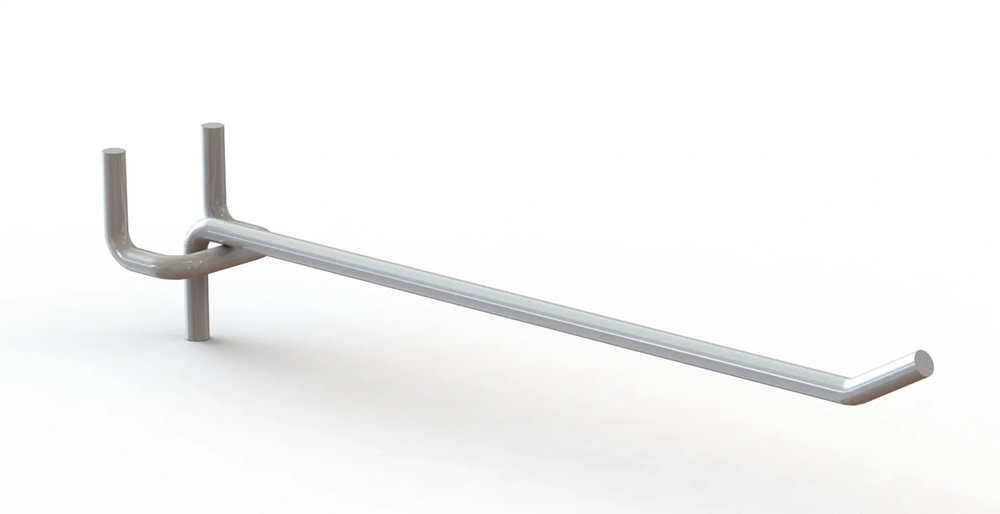
Display hooks serve as standard merchandising fixtures in retail store fitting applications. Current market data shows over 200 product variations purchased within the past month. These metal fixtures have become standard components in supermarket gondola and shelving systems.
Retail display hooks function as point-of-purchase fixtures in supermarkets, mass merchants, drug stores, and convenience stores. Standard product lines include pegboard hooks, slatwall hooks, gridwall display hooks, and corrugated hooks. Each hook type offers specific mounting options for different shelving systems. Store fitting professionals require these fixtures for organized product display systems.
Proper hook selection affects shelving unit functionality and merchandise presentation. Store managers must evaluate plastic display hooks versus metal alternatives based on weight capacity specifications and durability requirements. Store display hooks affect customer product access and inventory management systems.
This guide covers the technical factors for display hook selection. Store managers can use this information to make specifications that meet functionality and cost requirements.
Display Hook Product Categories
Display hook selection requires understanding the technical specifications of each product category. Different hook designs support specific weight requirements and mounting systems. We provide four main product categories for supermarket store fitting applications.
Pegboard hook specifications
Pegboard hooks remain the standard retail display hooks for supermarket gondola systems. These hooks feature straight metal construction with curved ends for product retention. Standard mounting requires ¼” pegboard panels with 1″ center spacing.
Product variations include:
- Standard peg hooks (J-hooks): Support bagged merchandise and packaged items
- Straight peg hooks: Handle lightweight products under 1 pound
- Swivel hooks: Provide 360° rotation for product access
- Angled peg hooks: Feature 15-45 degree angles for visibility enhancement
Pegboard hooks handle packaged goods, including snacks, candy, batteries, electronics accessories, and health products. High-density displays require space-efficient mounting systems. Safety features include ball-end tips for accident prevention.
Slatwall hook systems
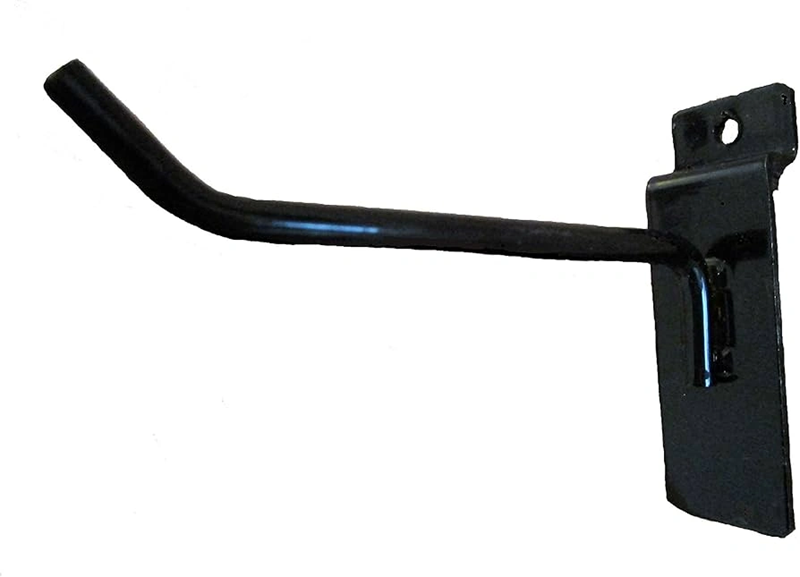
Slatwall hooks mount to slatwall panel systems with horizontal groove channels. These merchandising display hooks use special locking attachments for secure mounting.
Technical specifications:
- Length options: 1″ to 12″
- Wire diameter: 3/16″ (lightweight) or 1/4″ (standard)
- End configuration: 45-degree upturn for product retention
Slatwall systems convert wall space into merchandise display areas. Heavy-duty applications include hardware tools, appliances, kitchenware, and sporting goods [15]. Installation near checkout areas supports impulse purchase strategies.
Gridwall mounting hooks
Gridwall hooks attach to metal grid display panels using C-clamp or spring-loaded mechanisms [15][9]. These store display hooks provide modular display flexibility.
Standard sizing:
- Length range: 2″ to 12″ in 2″ increments
- Multiple product stacking capability per grid square
- Color options: black, chrome, white
Gridwall systems allow frequent display changes without wall damage. Applications include seasonal merchandise, promotional displays, and rotating product sections. Load capacity supports fashion items, sporting goods, and tools.
Corrugated display hooks
Corrugated hooks support temporary display applications, including promotional events and counter displays [9]. Design specifications accommodate 1/8″ B-Flute corrugated material for lightweight to medium-weight merchandise.
Product categories:
- Standard corrugated hooks: Basic merchandise display
- Scan plate hooks: Include price tag and product information areas
No Sag™ models feature metal stems with plastic backers for enhanced strength. Product stops prevent merchandise slipping during transport and restocking. Lightweight construction allows easy assembly and customization based on hook quantity requirements. Applications include promotional items, jewelry, keychains, and hanging merchandise.
These four hook categories provide technical options for different supermarket layout requirements and product specifications.
Material Specifications and Performance Analysis
Material selection for display hooks determines performance specifications, durability ratings, and application suitability. Decision factors include plastic, metal, or hybrid construction options. Each material type offers specific advantages for different retail applications.
Plastic display hooks specifications and applications
Plastic display hooks are manufactured from high-impact polypropylene (PP) or acrylonitrile butadiene styrene (ABS) materials. These materials provide corrosion resistance and moisture protection for humid store environments. Plastic construction prevents scratching of delicate product finishes during merchandise handling.
Cost analysis shows plastic display hooks offer value for large-scale installations. Lightweight construction reduces setup time and labor costs for display reconfiguration. Non-conductive properties make these hooks suitable for refrigerated sections and moisture-prone areas.
Technical limitations include maximum weight capacity of approximately 220 grams per station. Lower-grade plastic variants may become brittle under direct sunlight exposure or extended use. High-traffic applications require consideration of potential degradation over time.
Metal hook construction and load specifications
Metal display hooks use zinc-plated steel construction for maximum strength applications. This material provides exceptional load-bearing capacity and structural stability. Metal construction prevents sagging under weighted merchandise loads.
Load capacity specifications show that metal hooks support up to 5 pounds per station. Professional-grade metal hooks feature 9 gage wire diameter for structural integrity. “No Sag” design variations provide additional strength to prevent product slippage.
Zinc finish provides corrosion protection and a professional appearance for retail applications. Metal hooks suit hardware sections and industrial product displays requiring contemporary aesthetics. Cost considerations include higher initial investment and increased shipping weight for large orders.
Hybrid construction advantages
Hybrid display hooks feature plastic backing components with metal shaft construction. Two-piece design provides installation flexibility for standard 1/8″ or 1/4″ pegboard panels and slatwall systems. Plastic backplate secures mounting while the metal shaft provides load support.
“No Sag™ Easy Remove” series uses metal hook stems with separate backing components. This construction maintains display appearance under full product loads in high-traffic environments. Hybrid designs suit applications requiring frequent planogram changes and seasonal display rotations.
Hook Dimension and Load Capacity Specifications
Proper hook dimension selection affects product display functionality and fixture safety requirements. Hook specifications must match merchandise characteristics and weight distribution requirements.
Hook Length Specifications for Different Product Categories
Display hooks are manufactured in lengths from 100mm (3.94in) to 300mm (11.81in). Length selection depends on product dimensions and display depth requirements. Small merchandise, including candy, cards, and accessories, requires hooks measuring 100mm to 150mm for adequate support.
Standard packaged goods and retail items use hooks measuring 200mm to 250mm for proper display presentation. Bulkier products and deep-facing applications require hooks exceeding 250mm in length.
Excessive hook length creates safety hazards in narrow aisles and an untidy display appearance. Optimal hook length provides product visibility while maintaining adequate stock capacity.
Weight Capacity and Structural Requirements
Store display hooks are engineered with specific weight capacity limits. Exceeding these specifications causes fixture bending, failure, or wall system damage. Standard weight capacities are determined by material and construction specifications:
- Plastic hooks support loads up to 220 grams per hook
- Standard metal hooks hold 5-15 pounds, depending on length and design
- Heavy-duty hooks support 20-40 pounds for tools and equipment
- Industrial-grade hooks handle up to 75 pounds for specialized merchandise
Wire diameter determines hook strength capacity. Heavy merchandise requires thicker hooks measuring 5mm to 6mm wire diameter. Professional-grade metal hooks measure 4mm to 6mm in diameter for structural integrity.
Double prong display hooks distribute weight evenly across the hook and wall panel connections. This design prevents product spinning and sliding for irregularly shaped merchandise.
Product Package Compatibility Requirements
Merchandising display hooks must accommodate product packaging specifications and hanging characteristics. Weight distribution, package thickness, and hang hole position affect hook performance.
Hook diameter must fit product packaging holes and hanging tabs properly. Insufficient diameter causes product detachment, while excessive diameter prevents proper fitting. Vertical clearance requirements are critical for refrigerated cases and low shelf applications.
Short hooks prevent excessive movement for lightweight accessories that create untidy displays. Products that lean or twist on hooks require label holders or price tag integration for merchandise stabilization.
Hook dimension matching to product characteristics maintains organized displays during high customer traffic period. Proper sizing specifications create professional appearance standards.
Accessory Components for Display Hook Systems
Standard display hooks require additional components to meet specific operational requirements in supermarket environments. Accessory products provide enhanced functionality for pricing, security, and inventory control applications.
Price Display and Label Attachment Systems
Price visibility requirements necessitate integrated labeling solutions for retail display hooks. Multi-Option Peg Hook Label Holders accommodate hook diameters from 0.149″ to 0.250″, securing adhesive labels in position [16]. These holders feature a bottom lip design for label placement and maintain compatibility with L-style hook configurations.
Flip Info Strip Label Holders attach to T-scan hooks with 2″W x 1.25″H display areas. Available pricing components include:
- Metal shelf price holder sets
- Wood and glass shelf adhesive price strips
- Accordion-style pricing systems for flexible mounting
- Warehouse rack label holders
Protective plastic channels shield paper price tickets from moisture and handling damage. Installation requires seconds and removal occurs without fixture damage. These systems serve supermarkets, grocery stores, libraries, pharmacies, and bakeries.
Security Hardware for Loss Prevention
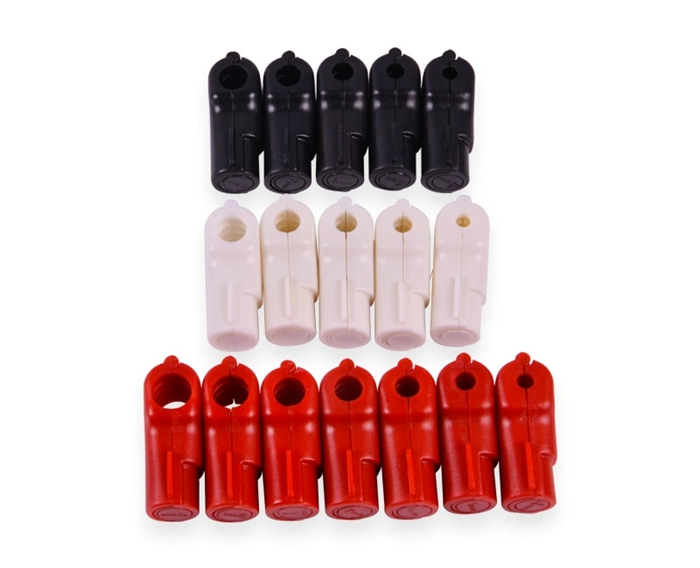
Security hooks prevent unauthorized product removal while maintaining merchandise visibility. Stop Lock systems use plastic locks to prevent product sliding from hooks. These locks accommodate single hooks, double hooks, and price tag configurations up to 0.224″ thickness.
Anti-sweep scanner peg hooks feature wire bends that prevent product sweeping. Keyed peg hook locks offer selective security options for front product accessibility. Installation specifications include:
- Magnetic keys sold separately from lock assemblies
- Security locks fit hook diameters 0.149″ to 0.250″
- Compatibility maintained with metal single wire and wire loop hooks
Red security device coloring provides visual deterrent signaling. Staff access products using magnetic keys without merchandise or display damage.
Product Management and Facing Control
Inventory control clips maintain organized merchandising display hooks through front-facing product positioning. Snap-on clips prevent merchandise sliding and maintain stocked appearance throughout operational hours.
Flexible rubber construction accommodates hooks up to 0.148″ gage. Clips install at any hook stem position without product removal requirements. Store associates integrate clips during standard restocking procedures.
Strategic clip positioning creates visual reorder indicators. Store managers establish stock level thresholds using clip placement without tracking system requirements.
Dual-hole inventory control clips function as backstops for plastic display hooks for retail and metal hook applications. These components serve high-traffic areas where customer product handling occurs frequently.
Hook Installation Requirements for Supermarket Shelving Systems
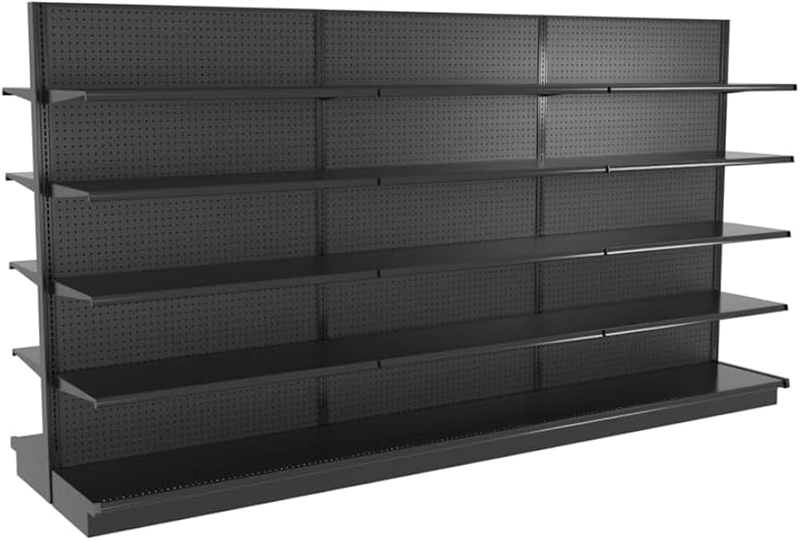
Display hooks require specific mounting systems based on supermarket shelving configurations. Store layout determines hook type compatibility and installation specifications. Proper matching ensures secure mounting and merchandise support capacity.
Wall-mounted versus gondola shelving specifications
Supermarket layouts use two primary shelving systems with different hook mounting requirements. Wall-mounted shelving systems use perimeter wall space for product displays. Standard 4-foot wall sections provide approximately 32 square feet of display surface without floor space requirements. Gondola shelving systems create central aisle structures with 4-foot gondola runs, providing approximately 64 square feet of display space on both sides.
Pegboard hooks mount to standard wall shelving systems with 1/4″ holes spaced 1″ on center. Slatwall hooks integrate with gondola systems using horizontal groove mounting channels. Gridwall hooks attach to modular display systems for temporary promotional installations and seasonal sections.
Endcap display hook specifications
Endcaps represent high-visibility merchandising areas at gondola run ends. These sections connect wall displays with central aisle systems for promotional and new product placement. Display hooks with scan plates or C-channels provide pricing information visibility on endcap installations.
Retail display hooks positioned at eye level on endcaps increase product visibility and purchase rates. Impulse display areas near checkout require shorter hooks (4-6″) for quick product access without aisle traffic disruption.
Store layout hook placement requirements
Hook placement systems guide customer traffic patterns throughout supermarket areas. The “Perimeter Surround + Central Grid” configuration combines wall-mounted store display hooks with central grid systems for logical customer flow patterns.
Aisle clearance specifications must accommodate hook extensions: primary aisles (8-10 feet), secondary aisles (4-6 feet), and ADA minimum requirements (36 inches). Hook positioning affects customer traffic direction and merchandising display hooks exposure rates for increased product engagement.
Final Display Hook Selection Based on Product Requirements
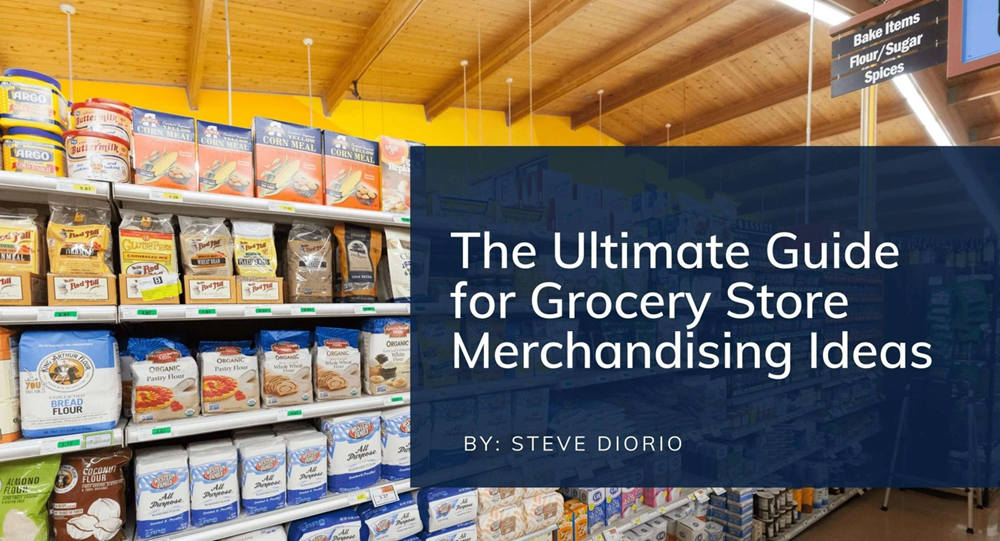
Store managers must match display hook specifications to specific product requirements. Product characteristics determine the appropriate hook configuration for effective merchandise display in supermarket environments.
Product Category Hook Specifications
Product weight and dimensions determine display hook requirements. Single-prong hooks accommodate lightweight merchandise, including candy and cards. Double-prong hooks provide additional support for heavier packaged goods. Steel-reinforced hooks support tools and bottled products. Loop hook designs prevent merchandise rotation and movement. Security hook systems with locking mechanisms protect high-value items from theft.
Customer Access and Store Layout Considerations
Hook placement affects customer product access and store traffic patterns. Standard mounting height ranges accommodate average customer reach capabilities. Even hook spacing creates organized product displays. Label holder integration allows customers to access product information without handling merchandise. Product grouping by category creates organized sections for customer navigation.
Technical Specifications and Appearance Standards
Display hook selection requires balancing functional specifications with store appearance requirements. Chrome and black finishes provide professional appearance standards. Wood finish hooks accommodate specific store design themes. Weight capacity specifications must meet merchandise support requirements regardless of finish selection. Consistent hook specifications within display sections maintain an organized appearance. Heavy merchandise requires lower placement, with lighter products positioned higher.
Conclusion
Display hook selection requires evaluation of product specifications, store layout requirements, and fixture compatibility. Store managers must consider merchandise weight, packaging dimensions, and turnover frequency when specifying pegboard, slatwall, gridwall, or corrugated hook systems. Material specifications between plastic, metal, or hybrid designs affect durability and load capacity requirements.
Hook length and weight capacity specifications prevent fixture failure and safety issues. Accessories, including label holders, security locks, and inventory control clips, provide additional functionality for comprehensive merchandising systems. These components enhance product security and inventory management efficiency.
Hook placement affects customer traffic patterns and product visibility. Endcap displays require shorter hooks for impulse merchandise, while wall sections accommodate longer hooks for standard products. Proper specifications support merchandising objectives while meeting safety and accessibility requirements.
Store fitting professionals recommend display hook systems that meet specific product requirements and store layout constraints. Quality fixtures withstand customer interaction while maintaining a professional appearance. These standard components support organized product displays and efficient inventory management systems.
Key Takeaways
Choosing the right display hooks transforms ordinary shelving into dynamic selling spaces that maximize sales potential while maintaining organized, professional displays throughout your supermarket.
• Match hook type to product weight: Use plastic hooks for lightweight items (up to 220g), metal hooks for heavier merchandise (5-40 pounds), and hybrid designs for maximum versatility.
• Consider your store layout: Pegboard hooks work best with wall shelving, slatwall hooks integrate with gondola systems, and gridwall hooks create flexible, modular displays.
• Prioritize strategic placement: Position hooks at eye level on endcaps, use shorter hooks (4-6″) in checkout areas for impulse purchases, and maintain proper aisle clearances.
• Enhance functionality with accessories: Add label holders for clear pricing, anti-theft locks for high-value items, and inventory control clips to maintain neat, front-faced displays.
• Balance esthetics with practicality: Choose hook materials and finishes that complement your store’s visual identity while ensuring they can safely support your specific merchandise requirements.
The right display hook system not only showcases products effectively but also guides customer flow, prevents theft, and streamlines inventory management—making these small fixtures essential components of successful supermarket merchandising strategies.
FAQs
Q1. What are the main types of display hooks used in supermarkets? The main types of display hooks used in supermarkets are pegboard hooks, slatwall hooks, gridwall hooks, and corrugated hooks. Each type is designed for specific display needs and product weights.
Q2. How do I choose between plastic and metal display hooks? Choose plastic hooks for lightweight items (up to 220g) and affordability. Opt for metal hooks when displaying heavier merchandise (5-40 pounds) or for increased durability. Hybrid designs offer a balance of strength and flexibility.
Q3. What factors should I consider when selecting hook sizes? Consider the weight and size of your products, available space, and customer reach. Shorter hooks (4-6 inches) work well for small items and impulse buys, while longer hooks are better for bulkier merchandise.
Q4. How can I enhance the functionality of my display hooks? Enhance functionality by adding accessories like label holders for clear pricing, anti-theft locks for high-value items, and inventory control clips to keep products front-faced and organized.
Q5. How should I arrange display hooks in my supermarket layout? Arrange hooks strategically by placing high-margin items at eye level, using shorter hooks in checkout areas for impulse purchases, and maintaining proper aisle clearances. Ensure a logical flow throughout the store and use endcaps effectively for promotions.