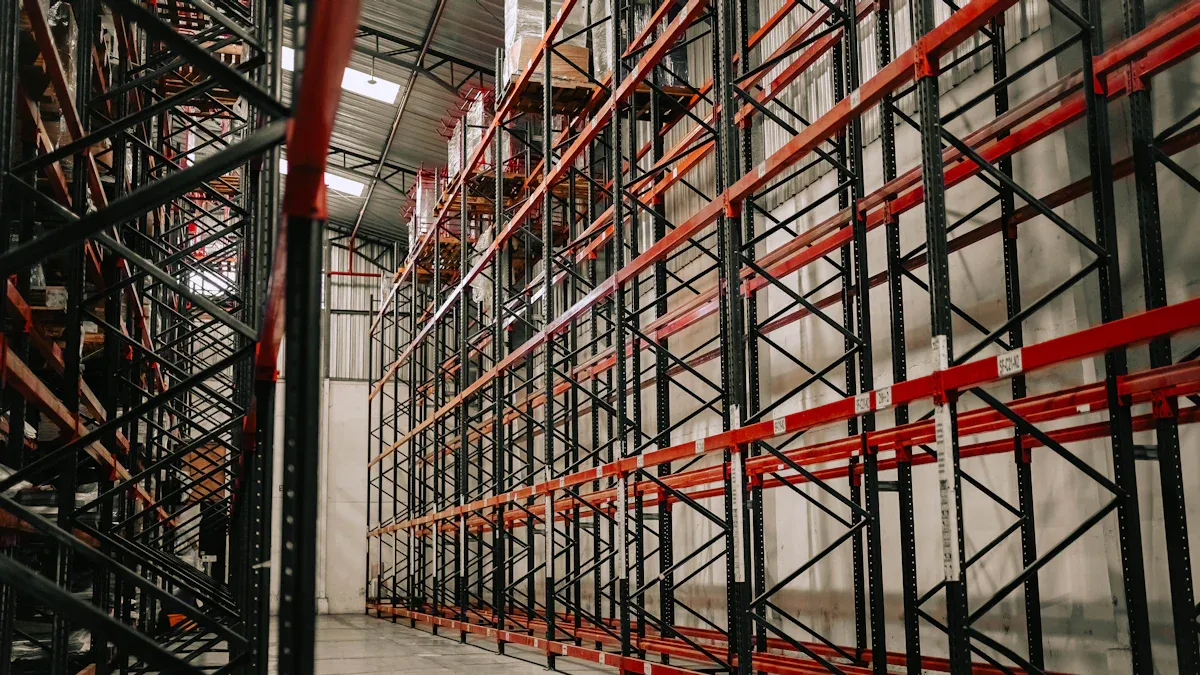
Several factors primarily influence the cost of custom supermarket shelves. These include material selection, design complexity, manufacturing processes, and installation requirements. Businesses must understand these key determinants. This understanding helps in effective budgeting and informed decision-making regarding the overall cost of shelves.
Key Takeaways
- Many things change the cost of custom shelves. These include the materials, how complex the design is, how they are made, and how they are put together.
- The materials you choose greatly affect the price. Steel is strong, wood looks nice, and glass looks modern. Each material has a different cost.
- Complex designs cost more money. Shelves with special shapes, built-in lights, or digital screens need more work to make.
- How shelves are made, and the workers’ pa,y also add to the cost. Special machines and skilled workers make shelves more expensive.
- Shipping and putting shelves together add to the total cost. Long distances and difficult installations make the price go up.
- A good supplier with a strong warranty offers better value. They provide quality products and support after you buy them.
- Market changes and the economy affect shelf prices. The cost of raw materials and inflation can make shelves more expensive.
- Certifications for safety or eco-friendliness add value. These ensure shelves meet important standards, which can increase their cost.
Material Selection and the Cost of Shelves

Material selection significantly impacts the overall cost of custom supermarket shelves. Businesses must carefully consider the properties and price points of various materials. This choice directly influences durability, aesthetics, and functionality.
Type of Material
Steel and Metal Alloys
Steel and metal alloys offer exceptional strength and durability. Manufacturers frequently use them for heavy-duty shelving systems. Stainless steel provides corrosion resistance, making it suitable for refrigerated or high-humidity areas. Regular steel, often powder-coated, offers a more economical option. The specific alloy and its treatment directly influence the cost of shelves.
Wood and Laminates
Wood and laminates bring warmth and a natural aesthetic to retail environments. Solid wood shelves are premium options, offering a sophisticated look. Laminates, a more budget-friendly alternative, mimic the appearance of wood or other materials. They provide versatility in design. The type of wood, its finish, and the laminate quality all affect pricing.
Acrylic and Glass
Acrylic and glass shelves create a modern, open display. Retailers often use them for showcasing high-value or delicate products. Acrylic offers shatter resistance and a lighter weight than glass. Glass provides superior clarity and a premium feel. Both materials typically incur higher costs due to their manufacturing processes and handling requirements.
Hybrid Materials
Hybrid materials combine the benefits of different components. For example, a system might feature steel frames with wooden shelves. This approach balances strength with aesthetic appeal. Hybrid designs often involve more complex manufacturing, which can increase the overall cost. They offer tailored solutions for specific display needs.
Material Grade and Finish
Gauge and Thickness
The gauge and thickness of a material directly correlate with its strength and the amount of raw material used. Thicker steel, for instance, provides greater load-bearing capacity but also increases material consumption and manufacturing effort. This directly impacts the final price.
Specialized Coatings
Specialized coatings enhance shelf performance and longevity. Powder coating provides a durable, chip-resistant finish. Anti-corrosion treatments protect metal shelves in challenging environments. Antimicrobial coatings are essential for food-related displays. These specialized applications add to the material cost.
Aesthetic Finishes
Aesthetic finishes contribute to the visual appeal of the shelves. Options include polished, brushed, matte, or custom-colored surfaces. These finishes require additional processing steps. They elevate the store’s ambiance but also increase production expenses.
Durability Enhancements
Durability enhancements extend the lifespan of shelving units. These include reinforced edges, impact-resistant treatments, or specialized sealants. Such features protect against wear and tear, reducing the need for frequent replacements. They represent an upfront investment that adds to the initial cost.
Design Complexity and Customization Impacting Shelf Costs
Design complexity significantly influences the cost of custom supermarket shelves. Unique requirements for shape, size, integrated features, and structural integrity all contribute to higher manufacturing expenses. Businesses must carefully evaluate these design choices.
Unique Shapes and Sizes
Non-Standard Dimensions
Shelving units with non-standard dimensions require specialized tooling and more intricate manufacturing processes. Standard sizes often benefit from economies of scale. Custom widths, heights, or depths deviate from these norms, increasing production time and material waste. This directly impacts the overall cost of shelves.
Curved and Irregular Designs
Curved or irregular shelf designs demand advanced fabrication techniques. Manufacturers use precise bending, cutting, and forming methods. These processes are more labor-intensive and require specialized machinery. Such designs elevate a store’s aesthetic appeal but also add to the manufacturing complexity and expense.
Modular vs. Integrated Systems
Modular shelving systems offer flexibility. Businesses can reconfigure or expand them easily. Integrated systems, conversely, are custom-built as a single, cohesive unit. Integrated designs often provide a seamless look and greater stability for specific layouts. However, their fixed nature and bespoke construction typically result in higher initial costs compared to adaptable modular options.
Integrated Features
Built-in Lighting
Integrating lighting directly into shelves enhances product visibility and ambiance. This feature requires electrical wiring, specialized fixtures, and professional installation. These additions increase both material and labor costs.
Digital Displays and Signage
Digital displays and interactive signage offer dynamic marketing opportunities. Incorporating these technologies into shelving units involves complex electrical integration and software considerations. This significantly adds to the design and manufacturing expenses.
Refrigeration and Heating Elements
Shelves designed for temperature-controlled products, such as refrigerated dairy cases or heated food displays, require specialized insulation, cooling or heating units, and robust power systems. These elements demand precise engineering and specialized components, leading to substantial cost increases.
Specialized Product Holders
Custom holders for specific products, like wine bottles, bakery items, or electronics, involve unique molds and fabrication. These bespoke fixtures ensure optimal product presentation and security. Their specialized nature contributes to higher design and production costs.
Structural Requirements
Load-Bearing Capacity
High load-bearing capacity is crucial for shelves supporting heavy items. Manufacturers must use thicker materials and reinforced designs. It is essential to understand the maximum load rating per shelf and avoid exceeding it. A buffer between the expected load and the shelf’s maximum rating is recommended for safety. For high-load applications, shelving systems feature integrated frames and secure, full-post engagement, rather than less stable clip-on assemblies. Designs with 360-degree shelf-to-post connections offer superior structural stability and performance.
Seismic Bracing
In earthquake-prone regions, seismic bracing is a mandatory structural requirement. This involves additional reinforcement and specialized anchoring systems. These measures ensure the stability of shelving units during seismic activity, adding to the overall structural complexity and cost.
Specialized Product Support
Standard supermarket shelving is generally not recommended for very heavy loads or industrial applications. Specialized structural requirements are necessary for such uses. For environments demanding strength and stability, industrial steel shelving is recommended. These systems are engineered to manage heavy loads and maintain structural integrity even with frequent use. Key design elements include robust uprights or frames as primary structural supports. Shelves or shelf boards, available in metal, wire, or wood, are chosen based on different product weights. Base feet or stabilizing supports are essential for ensuring structural stability and safety. Heavy-duty shelving is specifically mentioned for bulk items or storage of packaged goods, indicating a need for specialized structures for heavy loads.
Manufacturing Processes and Labor Costs for Shelves
Manufacturing processes and labor costs greatly influence the overall cost of shelves. The techniques used and the expertise required directly impact the final price. Businesses must consider these factors when planning their custom shelving projects.
Production Techniques
CNC Machining and Laser Cutting
CNC (Computer Numerical Control) machining and laser cutting offer high precision. These methods create intricate designs and ensure consistent quality. They reduce material waste. However, the specialized equipment and programming expertise add to production expenses.
Welding and Fabrication Methods
Welding and fabrication methods vary based on material and design. Skilled welders ensure strong, durable joints for metal shelves. Complex designs require more intricate fabrication. These processes are labor-intensive. They contribute significantly to manufacturing costs.
Assembly Complexity
The complexity of shelf assembly affects production time. Simple, modular units assemble quickly. Intricate designs with many components or integrated features take longer. More complex assembly increases labor hours and overall manufacturing expenses.
Labor Costs
Skilled Labor for Design and Fabrication
Skilled labor is essential for custom shelf design and fabrication. Engineers, designers, and experienced fabricators command higher wages. Their expertise ensures quality, safety, and functionality. This specialized knowledge directly impacts labor costs.
Geographic Labor Rates
Geographic location plays a role in labor rates. Hourly labor rates for skilled fabrication and assembly vary significantly by region. For example, high-cost cities might see rates between $60 and $100 per hour. Mid-cost suburban areas typically range from $40 to $70 per hour. Rural locations often have lower rates, from $30 to $50 per hour. These figures generally apply to commercial cabinet installation services. They provide a good indication of regional differences for skilled trades.
Overtime and Rush Orders
Overtime and rush orders increase labor costs. Manufacturers often charge premium rates for expedited production. Businesses needing shelves quickly will pay more for the accelerated timeline. This covers additional labor hours and potential production disruptions.
Order Volume
Economies of Scale
Economies of scale benefit larger orders. Producing more units at once reduces the per-unit cost. Manufacturers can optimize material usage and production runs. This efficiency leads to lower prices for bulk purchases.
Prototype and Small Batch Costs
Prototype and small batch orders incur higher costs. Setup fees, tooling adjustments, and less efficient production runs contribute to this. Orders under 100 units often have higher per-unit expenses.
Bulk Order Discounts
Bulk orders typically receive significant discounts. For example, an order of 50 units might see a 27% per-unit saving compared to an order of 5 units. Orders over 500 units unlock substantial per-unit cost reductions. This makes large-scale projects more cost-effective. The cost of shelves decreases with increased order volume.
Logistics, Installation, and the Overall Cost of Shelves
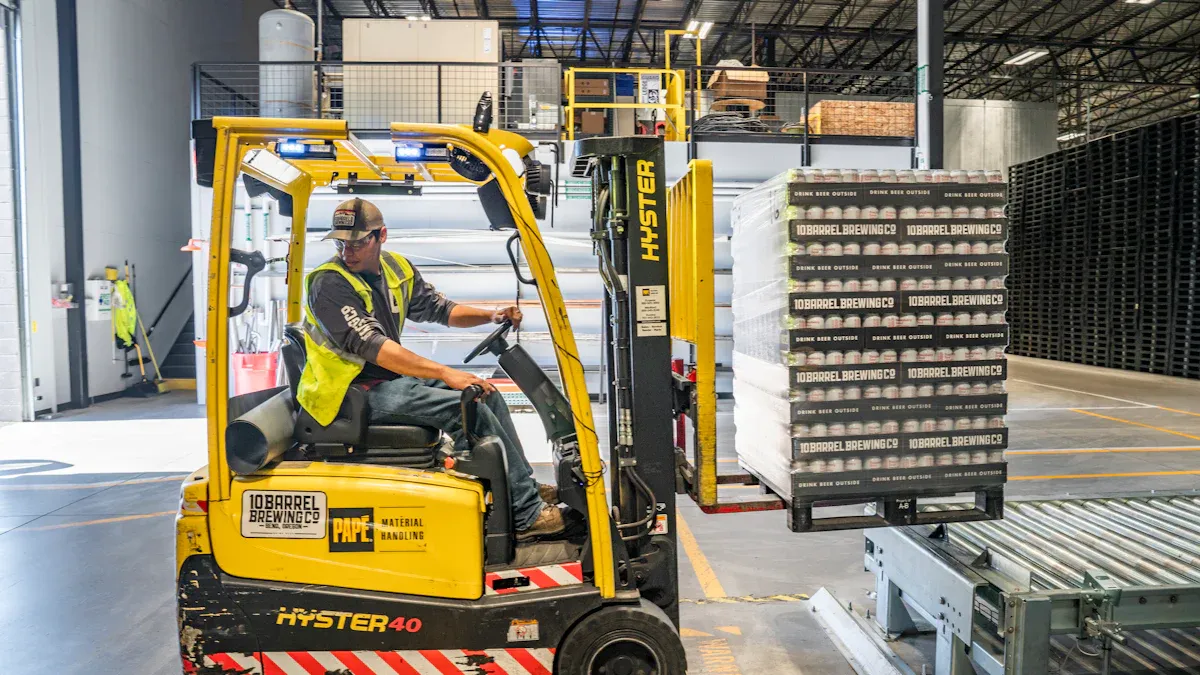
Logistics and installation represent significant components of the overall cost of custom supermarket shelves. Businesses must account for these factors. Efficient planning minimizes expenses and ensures timely project completion.
Shipping and Transportation
Distance and Freight Costs
The distance between the manufacturing facility and the installation site directly impacts freight costs. Longer distances incur higher fuel charges and transportation fees. Regional surcharges or tolls also contribute to the total shipping expense. Businesses often seek local manufacturers to reduce these costs.
Size and Weight of Shelves
The physical dimensions and weight of the shelving units influence transportation methods and pricing. Larger, heavier custom shelves require specialized trucks or handling equipment. This increases shipping complexity and associated costs. Smaller, lighter units typically ship more economically.
Packaging Requirements
Proper packaging protects shelves during transit. Custom crating or specialized protective materials prevent damage. These packaging requirements add to the overall shipping cost. Fragile materials like glass or acrylic demand more robust and expensive protective measures.
Installation Complexity
On-Site Assembly Requirements
The complexity of on-site assembly significantly impacts the total installation cost for custom supermarket shelving systems. Projects categorized as ‘Full Replacement’ or ‘Large-Scale Installations’ often involve custom solutions and extensive systems. These projects fall into higher cost tiers. Extensive commercial systems can exceed $5,000. The final cost depends on their size and specifications. This indicates a direct relationship where increased complexity leads to higher installation expenses.
Specialized Tools and Equipment
Installing custom shelving often requires specialized tools and equipment. Lifting devices, precision alignment tools, or custom jigs ensure proper fit and function. The rental or purchase of these items adds to the installation budget. Standard tools are insufficient for complex custom setups.
Skilled Installation Teams
Skilled installation teams are crucial for custom shelving projects. Their expertise ensures correct assembly, proper anchoring, and adherence to safety standards. Professional installers prevent errors that could lead to costly repairs or structural issues. Their specialized labor contributes to the overall cost of shelves.
Supplier Expertise and Warranty Affecting Shelf Costs
A supplier’s expertise and the warranty they offer significantly influence the overall cost of custom supermarket shelves. Choosing the right partner ensures quality, durability, and long-term value. Businesses must consider these factors carefully.
Supplier Reputation and Experience
Established Manufacturers
Established manufacturers bring a wealth of experience to custom shelving projects. They understand the nuances of retail environments.
Trusted supermarket racks suppliers provide products that are built to last. Whether you need heavy-duty supermarket racks for grocery shops or modular supermarket racks for small stores, durability ensures reduced replacement costs. Using commercial shelving solutions from proven experts also guarantees consistent quality and long-term reliability in daily operations. Experienced suppliers offer durable products. This reduces replacement costs. It also ensures consistent quality and reliability.
Customization Capabilities
Top manufacturers design fixtures that maximize floor space. They offer flexible systems like adjustable and wall-mounted racks. Experienced providers offer custom display racks. These racks fit specific layouts. They enhance shopping experiences. They also align with brand identity. Suppliers with strong customization capabilities adapt each installation. This meets specific brand and operational requirements. They also provide complete in-house design solutions. Their R&D teams offer customized solutions for each retail client.
Design and Engineering Support
Reputable suppliers adhere to stringent international standards. These standards apply to all components and system designs. This ensures safety and performance. They advocate for and provide scheduled professional inspection services. They use specialized tools like laser levels and ultrasonic thickness gauges. These tools detect wear and tear. Their engineering teams design systems to fit space, load-bearing needs, and workflow. They offer excellent technical support. Engineers are available to answer technical questions. They provide installation advice. They also troubleshoot issues.
Warranty and After-Sales Support
Warranty Duration and Coverage
A robust warranty protects a business’s investment. It covers defects in materials and workmanship. Longer warranty durations and comprehensive coverage reduce potential repair or replacement costs. This provides peace of mind.
Maintenance and Repair Services
Suppliers offering maintenance and repair services help extend shelf life. Regular servicing prevents major issues. Prompt repairs minimize downtime. This ensures continuous product display. These services contribute to the long-term cost-effectiveness of the shelving system.
Availability of Spare Parts
The availability of spare parts is crucial for longevity. Easy access to components like brackets, shelves, or lighting elements ensures quick fixes. This avoids the need for full unit replacements. It keeps the shelving system functional for many years.
Market Dynamics and Economic Factors for Shelf Pricing
Market dynamics and broader economic factors significantly influence the cost of custom supermarket shelves. These external forces create fluctuations in pricing. Businesses must monitor these trends.
Raw Material Prices
Global Commodity Markets
Global commodity markets directly impact the cost of materials. Steel and aluminum prices, for example, fluctuate based on supply and demand. These price changes affect the final cost of shelves. The shop shelving market faces challenges due to raw material price volatility. Supply chain disruptions also contribute to these challenges.
Supply Chain Volatility
Supply chain volatility creates uncertainty. Disruptions can increase lead times and transportation costs. Tariffs on raw materials like steel can influence price increases. A company spokesperson confirmed that tariffs directly caused price jumps. They stated, “There are no steel recycling/re-processing facilities in the U.S. anymore. As a result this has impacted our costs across the board. Vendors in many cases have pre-emptively increased costs as a result.” This shows how tariffs affect material costs.
Economic Conditions
Inflation and Interest Rates
Inflation significantly elevates costs across supply chains. This impacts the manufacturing and purchasing of goods like custom supermarket shelves. Production costs rise due to surging raw material prices. Transportation expenses also increase. Fuel prices and labor shortages contribute to higher delivery costs. Inflation operates as a self-perpetuating cycle. An initial price increase leads to subsequent increases. The Federal Reserve actively manages inflation by raising interest rates. This validates the increased costs manufacturers pass on to retailers. Manufacturers initially absorbed these costs. They eventually had to raise prices as cost pressures became unsustainable. Retailers began increasing their prices in 2021 due to these manufacturer-imposed price hikes.
Exchange Rate Fluctuations
Exchange rate fluctuations affect imported materials. A weaker local currency makes imported components more expensive. This increases the overall cost of shelves. Businesses sourcing materials internationally must account for currency risks.
Competitive Landscape
Supplier Competition
The level of supplier competition influences pricing. A highly competitive market often drives prices down. Suppliers offer more favorable terms to secure contracts. A market with fewer suppliers may result in higher prices.
Market Demand
Market demand also plays a role. High demand for custom shelving can lead to increased prices. Suppliers may raise rates when order volumes are strong. Conversely, low demand can prompt suppliers to offer discounts. This helps them attract business.
Value-Added Services and Certifications in Shelf Costs
Value-added services and certifications significantly influence the final cost of custom supermarket shelves. These elements enhance functionality, ensure compliance, and provide long-term value. Businesses often invest in these services for optimal results.
Design Consultation
Design consultation services guide businesses through the planning process. These services ensure the shelving system meets specific operational and aesthetic needs. Expert designers help visualize the final product.
Layout Planning
Effective layout planning optimizes store space and product flow. Designers analyze the retail environment. They create efficient arrangements for shelving units. This service ensures maximum display potential and customer accessibility. A main location consultation typically incurs a non-refundable fee of $100. Each additional location consultation adds a non-refundable fee of $25. These fees apply to both in-home and remote consultations. Businesses can credit this consultation fee towards the project if they proceed with the shelving purchase.
Renderings and Prototypes
Renderings and prototypes provide a visual representation of the custom shelving. These tools allow businesses to review designs before manufacturing begins. This process helps identify potential issues early. A $660.00 deposit is often required for custom retail display design. This fee covers extensive 3D work for complicated retail designs. The deposit is refundable upon purchase of the shelving. Alternatively, the supplier credits it towards the final purchase. If a purchase is not made, the deposit is non-refundable. This reflects the time and skill designers invest.
Certifications and Compliance
Certifications and compliance ensure shelving systems meet industry standards. These standards cover safety, environmental impact, and material suitability. Adhering to these regulations adds to manufacturing complexity but increases market value.
Safety Standards
Safety standards are crucial for retail environments. They include load ratings, fire codes, and anti-tip stability. Manufacturers also consider accessibility standards and antimicrobial coatings. Stricter regulations impact procurement choices. They increase manufacturing complexity. However, they also enhance market value through reduced risk. Certifications for load and safety standards are crucial metrics for procurement decisions.
Environmental Certifications
Environmental certifications demonstrate a commitment to sustainability. Buyers increasingly specify recycled content, reparability, and take-back programs in requests for proposals (RFPs). This indicates a shift away from single-use materials. Shelves meeting these criteria gain a higher market value and competitive edge. Europe leads in sustainability requirements and circular procurement. Certifications in these areas are particularly valuable there. Schaerholzbau AG, for example, unveiled an FSC-certified hybrid wood-metal shelving system in 2024. This shows the market’s move towards certified sustainable materials. Low-VOC powder coatings, high-recycled-content steel, and FSC-certified wood veneers are becoming baseline requirements in RFPs for large retail chains.
Food-Grade Materials
Food-grade materials are essential for shelves displaying unpackaged food items. These materials prevent contamination and ensure public health.
| Material Type | Material Characteristics | Features | Certification | Cost Implication |
|---|---|---|---|---|
| 304 Stainless Steel | Food grade, resistant to acid, alkali, salt spray, and high humidity environment, in line with health and safety standards. ASTM A240 Standard, with 8%-10.5% Nickel and 18%-20% Chromium. | Corrosion-resistant, ideal for food processing, medical, or outdoor use. | FDA/CE compliant | Higher cost due to superior characteristics and suitability for demanding environments. |
| 201 Stainless Steel (Economy Option) | GB/T 20878, with 3.5%-5.5% Nickel and added Manganese. | Cost-effective for dry indoor storage (e.g., warehouses, retail). Not recommended for humid or coastal areas. | N/A | Lower cost, but not suitable for humid environments or food-grade applications where 304 SS is required. |
The cost for custom shelving ranges from US$98.00 to US$192.00 per piece. This typically applies with a minimum order quantity of one piece.
The cost of custom supermarket shelves is a multifaceted equation. Material, design, manufacturing, logistics, and market factors all influence it. Understanding these elements allows businesses to make informed decisions. They balance budget with functionality and aesthetic appeal by carefully selecting materials and prioritizing adaptable designs.
- Businesses can choose cost-effective laminates for a high-end look.
- They invest in shelving with adjustable features and modular components.
- Retrofitting existing fixtures with brighter LED lighting offers a budget-friendly upgrade.
Strategic planning and collaboration with experienced suppliers are key. This achieves optimal value for investment in custom shelving.
FAQ
What materials offer the best value for custom supermarket shelves?
Steel and laminates often provide good value. Steel offers durability and strength. Laminates mimic premium materials at a lower cost. Businesses balance budget with desired aesthetics and functionality when selecting materials.
How does custom design impact the cost of shelves?
Custom designs increase costs. Unique shapes, non-standard sizes, and integrated features like lighting or digital displays require specialized manufacturing. These elements demand more complex processes and skilled labor.
Do larger orders result in lower per-unit costs for shelves?
Yes, larger orders generally reduce per-unit costs. Manufacturers benefit from economies of scale. They optimize material usage and production runs for bulk purchases. This efficiency leads to significant discounts for high-volume orders.
Why are installation costs a significant factor for custom shelves?
Installation costs are significant due to complexity. Custom shelves often require on-site assembly, specialized tools, and skilled teams. These factors contribute to higher labor and equipment expenses compared to standard installations.
How do global economic conditions affect shelf pricing?
Global economic conditions significantly influence shelf pricing. Raw material prices fluctuate based on commodity markets. Inflation and interest rates increase production and transportation costs. Exchange rate changes also impact imported materials.
What role do certifications play in the overall cost of shelves?
Certifications add to shelf costs. They ensure compliance with safety, environmental, and food-grade standards. These rigorous requirements involve specialized materials and testing. However, they enhance market value and reduce long-term risks.
Can businesses request a prototype before placing a large custom shelf order?
Yes, businesses can request prototypes. Prototypes allow for design review and issue identification before full production. This process incurs additional costs for setup and small-batch manufacturing. However, it helps ensure satisfaction with the final product.