

Warehouse racking installation decisions affect operational efficiency and financial outcomes. Businesses choose between custom-designed racks and standard warehouse racking systems with predetermined configurations. Standard racks support average loads but can bow or vibrate under high-density storage requirements. Custom solutions ensure every additional unit matches original specifications for future expansion.
Warehouse racking system design extends beyond immediate functionality. Heavy-duty steel materials contribute to higher initial purchase costs. Used pallet racking prices fluctuate based on supply and demand, sometimes offering only 5% savings compared to new equipment. Warehouse pallet rack design must balance accessibility with versatility for maximum vertical space utilization and operational efficiency. The choice between custom and standard warehouse racking requires weighing immediate installation costs against long-term operational savings through 2026.
Design Flexibility and Space Utilization

Warehouse space optimization requires strategic racking decisions. Storage systems must accommodate awkward corners and irregular areas for maximum capacity utilization.
Custom Fit vs Standard Dimensions: Which Uses Space Better?
Custom warehouse racks are engineered for specific facility requirements. These systems maximize available space through precise measurements that accommodate inventory profiles. Custom racks optimize storage density without warehouse expansion. Standard racking offers mass production cost advantages but creates gaps where fixed dimensions misalign with available space.
High-volume facilities demonstrate this difference across hundreds of storage positions. Custom solutions utilize vertical height and awkward spaces that standard racks ignore. Rack dimensions tailored to building structure and pallet size increase storage density without physical expansion.
Warehouse Racking System Design for Irregular Layouts
Irregular layouts present challenges that standard racking cannot address. Custom racking adapts to building columns, beams, and structural configurations. Custom systems incorporate obstacles as structural advantages rather than limitations.
Column spacing, interior ceiling height, dock door locations, and forklift turning radius influence racking configuration [19]. Custom racking accommodates these elements while maintaining traffic flow patterns. Retrofitted buildings benefit from this flexibility, where structural modifications are impossible.
Vertical Optimization: Tailored Heights vs Fixed Sizes
Vertical space utilization provides the most significant custom racking advantage. Height and clearance directly influence facility effectiveness. Custom systems offer adjustable levels that maximize ceiling clearance.
Vertical optimization doubles or triples storage capacity without footprint expansion. Warehouse clear heights trend upward, requiring adaptable solutions. Custom racking enables configurations based on pallet dimensions, load weights, and handling equipment capabilities. Every vertical inch serves a specific purpose.
Cost Efficiency Over Time
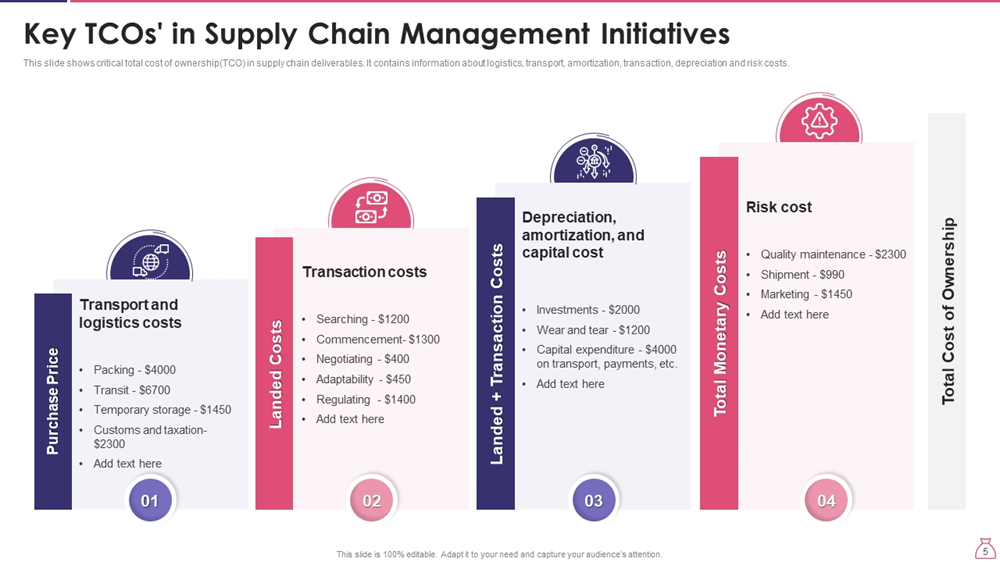
Financial implications beyond purchase price show clear differences between racking options. Initial investments must be balanced against long-term operational savings.
Initial Investment: Custom vs Standard Racking
Custom warehouse racking systems require larger upfront investments compared to standard racks [5]. Budget-constrained operations often select pre-configured options due to this price difference. Standard systems benefit from manufacturing economies of scale, while custom solutions include specialized design and engineering costs.
Energy and Cooling Costs: Impact of Airflow Design
Racking configuration affects warehouse climate control expenses. Well-designed systems enhance airflow, reducing monthly energy expenditures. Cold storage facilities achieve energy consumption decreases through high-speed doors and nighttime refrigeration scheduling. These design considerations translate to operational savings.
Maintenance and Downtime: Predictable vs Reactive Costs
Reactive maintenance on standard racks creates higher cumulative expenses, including repairs, retrofits, and lost productivity. Custom systems require fewer modifications, with maintenance costs occurring less frequently during their 10-15 year depreciation period. This predictive approach minimizes unplanned downtime that disrupts order fulfillment.
Total Cost of Ownership (TCO) in 5-Year Span
Five-year TCO includes acquisition, operational costs, downtime expenses, space utilization, and replacement considerations. Initially, cheaper options often become more expensive due to inefficiencies and premature replacement needs.
Scalability and Future-Proofing
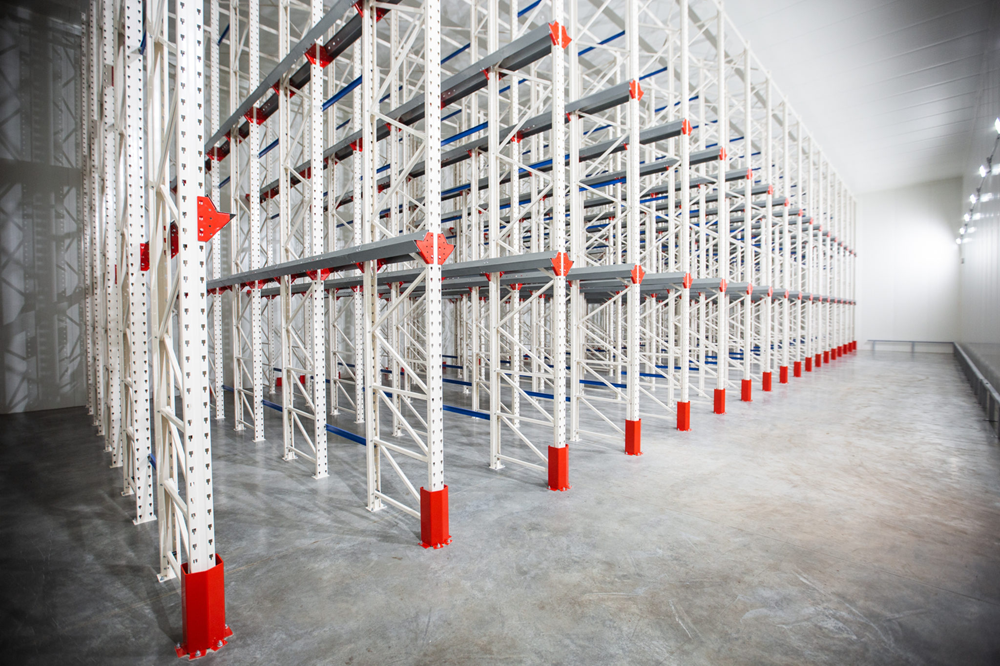
Warehouse needs evolve through 2026. Adaptable storage infrastructure provides operational advantages for businesses seeking long-term viability. Racking decisions made today must accommodate future growth requirements.
Expansion Compatibility: Modular vs Fixed Systems
Modular pallet racking systems expand with changing business requirements without complete warehouse redesigns. Companies add product lines or increase seasonal inventory while maintaining operational continuity. Fixed systems require costly overhauls when storage needs change.
Standardized rack components utilize common beam lengths and upright heights. These specifications simplify future modifications throughout the system’s lifecycle. Standardization creates frameworks where incremental expansion occurs without halting daily operations.
Support for Emerging Tech: Liquid Cooling, Automation
Future-proof warehouse designs integrate emerging technologies. Advanced cooling systems reduce power costs by up to 40%. Proper liquid cooling infrastructure lowers the total cost of ownership by approximately 20%.
Warehouse racking system design must anticipate automation possibilities. Sufficient clearances accommodate autonomous guided vehicles and robotic picking systems. Infrastructure planning for automation includes electrical supply networks and control systems. These elements require incorporation during initial installation rather than retrofitted implementation.
Warehouse Pallet Rack Design for Long-Term Growth
Warehouse pallet rack design documentation supports efficient future modifications. Accurate drawings prevent costly mistakes during expansion projects. Scalable storage solutions enable companies to respond to changing product structures without major structural work.
Mobile racking systems exemplify adaptable designs. Additional mobile units expand these systems. This approach transforms business approaches to long-term storage planning.
Installation, Safety, and Compliance
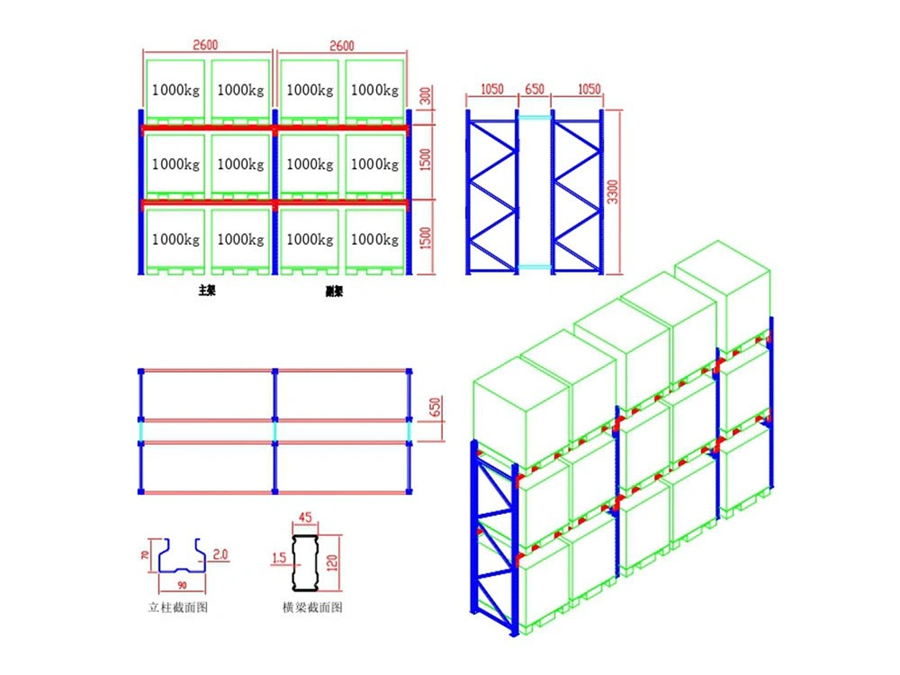
Installation and compliance factors determine long-term operational safety beyond initial setup. These requirements affect project timelines and regulatory adherence.
Installation Time and Labor: Prebuilt vs Custom-Fit
Professional installation accounts for 10–20% of total racking project costs. Labor rates range from USD 40.00 to USD 70.00 per upright frame. Standard racking requires 3-5 days for smaller installations. Custom configurations demand 1-3 weeks for complete setup. Structural racks need 66% more installation time than roll-formed systems due to bolted connections. Most jurisdictions and insurance policies mandate certified professionals handle installation to meet safety standards.
Load Ratings and Seismic Compliance
Load capacity plaques document approved beam configurations and display unit load capacities for operational reference. Warehouse facilities in earthquake-prone regions must implement seismic-rated storage racks. The 1994 Northridge earthquake prompted stricter regulations. The 1994 NEHRP Recommended Provisions included a 50% increase in seismic loads for storage racks in public-accessible areas.
Safety Features: Locking Systems and Access Control
Secure storage systems feature wire mesh panels with 2″ x 2″ square mesh welded into rolled-formed angle frames. Access options include double-hinge doors spanning up to 12′ wide by 20′ high. Sliding doors minimize aisle space requirements. These security measures prevent theft while maintaining inventory accessibility.
Regulatory Compliance in 2026 Warehousing Standards
California’s Assembly Bill 98 takes effect January 1, 2026. The bill regulates warehouses over 250,000 square feet, requiring energy-efficient features and zero-emission forklifts by 2030 [2]. OSHA’s National Emphasis Program on Warehousing and Distribution Center Operations, implemented in 2023 increases inspection frequency through July 2026. Compliance strategies prevent penalties ranging from USD 5,000 to USD 161,000.
Comparison Table
| Aspect | Custom Warehouse Racking | Standard Warehouse Racking |
|---|---|---|
| Initial Cost | 30-40% more expensive than standard | 30-40% less than custom solutions |
| Space Utilization | – Maximizes available space – Adapts to irregular layouts – Optimizes vertical capacity | – Fixed dimensions create gaps – Less efficient with irregular spaces – Predetermined configurations |
| Installation Time | 1-3 weeks for complete setup | 3-5 days for smaller installations |
| Maintenance | – Less frequent maintenance required – 10-15 year depreciation period – Fewer modifications needed | – Higher reactive maintenance costs – More frequent repairs and retrofits – Higher cumulative expenses |
| Adaptability | – Matches expansion requirements – Accommodates building structures – Easier integration with new technologies | – Limited by predetermined configurations – May require complete overhaul for changes – Less flexible for future modifications |
| Load Management | – Engineered for specific requirements – Tailored to exact load needs | – Supports average loads – Can bow or vibrate under high-density storage |
| Future-proofing | – Supports emerging technologies – Easier automation integration – Modular expansion possible | – May require costly overhauls – Limited flexibility for technological upgrades – Fixed system constraints |
Conclusion
The decision between custom and standard warehouse racking affects more than equipment selection. Several factors differentiate these storage solutions for 2026 planning.
Space utilization represents a fundamental consideration. Custom racking systems maximize every cubic inch through precise measurements for specific inventory profiles. Standard options leave unusable gaps due to fixed dimensions. This difference becomes significant in facilities with irregular layouts or high vertical clearances.
Standard racking systems cost 30-40% less upfront. Five-year Total Cost of Ownership assessment reveals different results. Custom systems require less maintenance and fewer modifications throughout their 10-15 year depreciation period. Long-term operational expenses decrease significantly. Properly designed custom configurations enhance airflow and decrease monthly energy expenditures.
Adaptability provides another advantage for custom solutions. Warehouse needs evolve through 2026 and beyond. Modular custom systems accommodate expansion without complete redesigns. Fixed counterparts often require costly overhauls when storage requirements change. Custom configurations support emerging technologies like automation systems and liquid cooling infrastructure.
Safety and compliance considerations require attention. Both options need professional installation to meet regulatory standards. Custom systems demand more installation time (1-3 weeks versus 3-5 days for standard options). This investment provides better seismic compliance and load management tailored to operational needs.
Standard racking offers immediate cost savings. Custom solutions deliver superior long-term value through optimized space utilization, reduced maintenance expenses, and greater adaptability to changing business requirements. Warehouse managers should evaluate immediate budget constraints and long-range operational goals before determining which system saves more money by 2026.
Key Takeaways
When choosing between custom and standard warehouse racking systems, the decision impacts both immediate costs and long-term operational efficiency through 2026 and beyond.
• Custom racking maximizes space utilization by adapting to irregular layouts and optimizing vertical space, while standard systems often leave unusable gaps due to fixed dimensions.
• Standard racking costs 30-40% less upfront, but custom systems deliver better 5-year Total Cost of Ownership through reduced maintenance and fewer modifications over their 10-15 year lifespan.
• Custom solutions offer superior scalability with modular expansion capabilities and better support for emerging technologies like automation and liquid cooling systems.
• Installation time differs significantly: standard racking requires 3-5 days versus 1-3 weeks for custom systems, but both need professional installation for safety compliance.
• Future-proofing favors custom designs as they accommodate changing business requirements without costly overhauls, unlike fixed standard systems that may require complete redesigns.
The choice ultimately depends on balancing immediate budget constraints against long-term operational goals, with custom solutions providing superior value for businesses planning strategic growth and technological integration.
FAQs
Q1. What is the average cost difference between custom and standard warehouse racking? Custom warehouse racking typically costs 30-40% more than standard racking solutions. However, the long-term benefits of custom racking, such as improved space utilization and reduced maintenance costs, can offset the initial higher investment.
Q2. How long does warehouse racking typically last? Well-maintained warehouse racking systems can last anywhere from 10 to 25 years. The lifespan depends on factors such as material quality, installation method, and daily operational conditions. Custom racking systems often have a depreciation period of 10-15 years.
Q3. Which type of racking system offers the most flexibility for future expansion? Custom modular racking systems offer the most flexibility for future expansion. They can be easily modified or expanded to accommodate changing business needs without requiring a complete warehouse redesign, unlike fixed standard systems that may need costly overhauls.
Q4. How does the installation time differ between custom and standard racking? Standard racking systems generally require 3-5 days for smaller installations, while custom racking configurations typically need 1-3 weeks for complete setup. The longer installation time for custom systems is due to their tailored design and precise fitting.
Q5. Are warehouse racks considered fixed assets? Yes, warehouse racking is typically considered a fixed asset. As a long-term investment that provides ongoing benefits, companies can usually depreciate racking on their financial statements. It appears on the company’s balance sheet as an asset due to its durable nature and significant role in warehouse operations.