
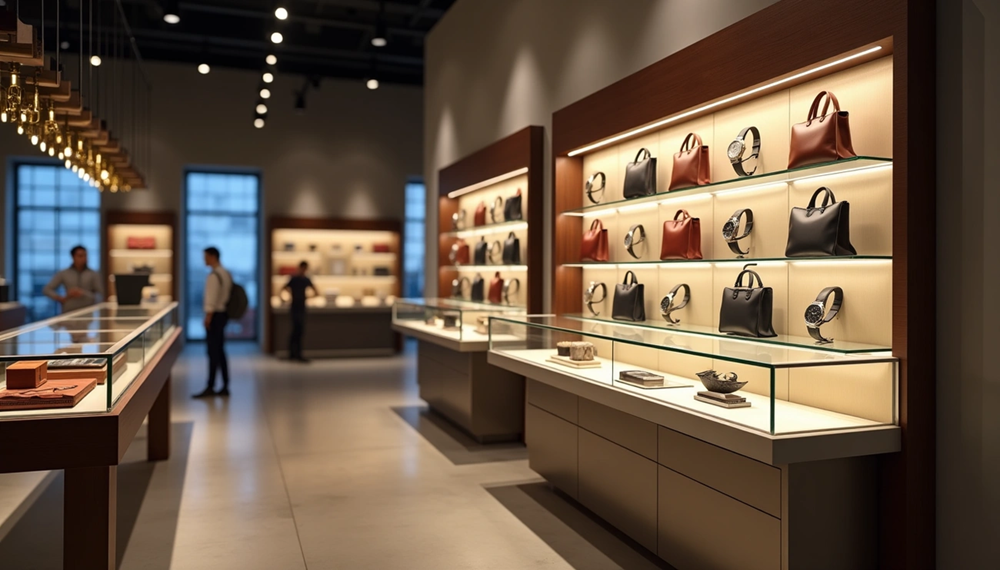
Retail display stands can revolutionize regular store spaces into powerful sales-generating assets. Many businesses invest in display fixtures but struggle to pick ones that drive conversions and create better customer experiences.
Display fixtures act as silent salespeople that showcase products in their best light. Custom retail display fixtures can increase sales by captivating customers and creating memorable shopping trips. Store display fixtures provide competitive advantages beyond basic product presentation and influence buying decisions strategically. On top of that, well-designed retail display solutions deliver great value through nationwide shipping options without minimum order requirements. This allows businesses to buy exactly what they need. Your store’s environment can improve with retail display racks that blend functionality and visual appeal while staying cost-competitive.
This piece shows you how to pick retail display stands that boost sales, which features matter most, and ways to use display strategies that turn browsers into buyers.
Understanding the Role of Retail Display Stands
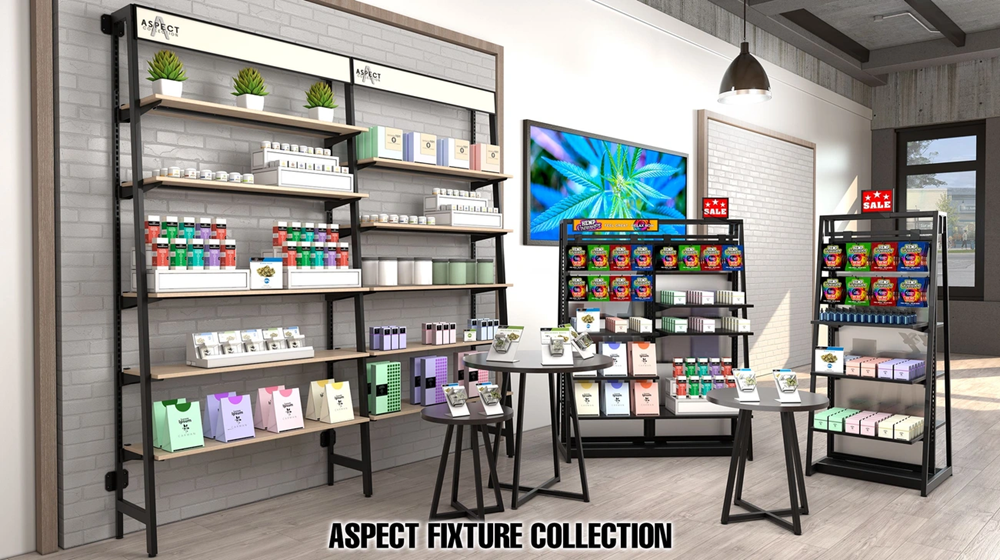
Strategic display stands are the life-blood of effective merchandising in today’s competitive retail world. These displays create that vital first impression that shapes a customer’s entire shopping experience.
Why display stands matter in retail
Display stands work as round-the-clock brand ambassadors and showcase products even when stock is low. POPAI (Point of Purchase Association International) research shows that customers buy more than 70% of products directly in-store. Products placed in display cases see sales jumps of 80% to 478%.
Retailers gain a competitive edge through custom display fixtures that create unique visual identities. Research proves that 70% of shoppers notice in-store displays. These displays also boost convenience – something modern consumers value as they look for available shopping options.
How they influence customer behavior
Customer decision-making patterns reveal fascinating details about retail display psychology. Display stands naturally draw customer attention without seeming aggressive when placed in busy areas like store entrances or checkout counters.
Products at eye level get more attention and generate better sales. This simple eye-level placement strategy remains one of the most effective approaches in visual merchandising.
The decompression zone – the space right inside a store entrance – should stay open and welcoming instead of packed with promotions. Most customers turn right after entering deeper into the store. Studies show 90% of Americans follow this pattern, which makes right-side displays perfect spots for high-margin items.
The link between displays and sales performance
Numbers prove the strong connection between good displays and better sales. In-store displays can increase category purchases by up to 76%. Many retailers see sales speed up by about 39% through well-designed fixtures.
Displays excel at driving impulse purchases, which make up about 60% of in-store sales. So, smart placement near checkouts or secondary spots creates great chances for unplanned buying.
Interactive displays magnify these results and increase sales by up to 75%. Customers spend three times longer at these displays than at traditional ones. Studies also show that interactive displays boost participation rates by about 50% through customized experiences.
Types of Retail Display Fixtures and Their Uses
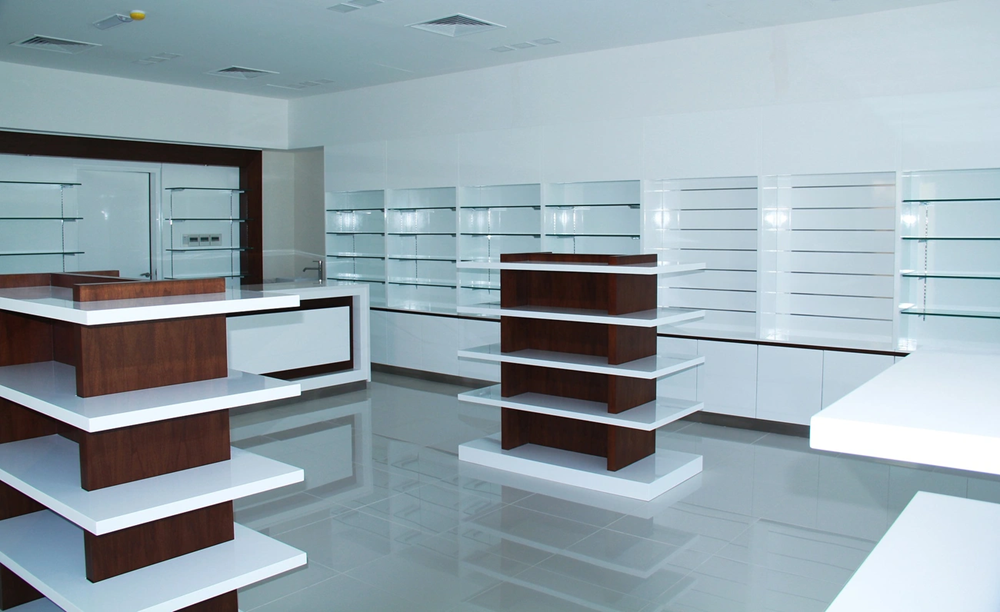
The right retail fixtures can raise product presentation from ordinary to extraordinary. Each display type plays a unique role in stores.
Freestanding display units
Free-standing display units (FSDUs) create powerful standalone merchandising opportunities throughout stores. These versatile fixtures catch shoppers’ attention five times more effectively than in-aisle products. Strategic positioning helps showcase specific brands or seasonal items without taking up shelf space.
FSDUs work best when introducing new products and creating seasonal focal points quickly. Retailers can test cross-selling opportunities by placing complementary products next to each other, thanks to their standalone nature.
Dump bins work great in high-traffic areas to encourage impulse purchases of discounted or seasonal items. Gondola displays make the most of space with vertical slats for shelving or hooks that hold products of all sizes.
Countertop displays
Countertop displays near registers and checkout areas turn wait time into sales opportunities. These compact merchandising units are perfect for small, grab-and-go items that spark impulse purchases.
Today’s countertop displays include interactive elements like touchscreens, product samples, or QR codes that turn quiet retail spaces into engagement hubs. Multiple tiers help organize products at eye level and maximize visibility despite the small footprint.
Wall-mounted fixtures
Wall displays make good use of vertical space when floor space is tight. Systems like slatwall, gridwall, and steel gondola shelving create neat product presentations while keeping the floor clear.
Retailers use wall-mounted pedestals to show off high-end items with a modern, sculptural look. Clear shelving units create sleek rows for books or cosmetics, while display boxes work well for limited editions or delicate merchandise.
Acrylic and glass display cases
Display cases add class and prestige while keeping valuable merchandise safe from dust, handling, and theft [9]. They hint at product exclusivity, which boosts value perception and buyer confidence.
The options include waist-height display counters for jewelry or electronics, floor-standing tower cases with 360-degree visibility, and lockable acrylic cases for tabletops or shelves. Internal lighting helps enhance product appeal in many cases.
Seasonal and modular displays
Modular display systems offer unique adaptability for retailers who often change their inventory. These systems come with interchangeable parts—shelves, panels, and racks—so stores can change layouts without buying completely new fixtures.
This flexibility makes it easy to adapt for seasonal promotions, new collections, or special events. Retailers love these budget-friendly modular systems that grow or shrink as product lines change.
Designing Custom Retail Display Fixtures That Work
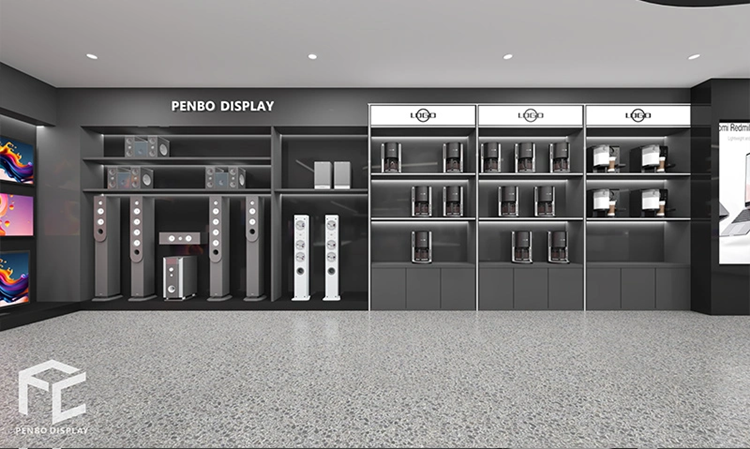
Custom retail display fixtures bring your brand story to life. Their thoughtful design plays a crucial role in retail success. These fixtures do more than hold products – they tell your story through materials, colors, and design elements.
Aligning displays with brand identity
Your fixtures work as brand ambassadors that speak volumes even without sales staff present. Each element of your fixtures should reflect your brand strategy with purpose. Modern sophistication comes through in sleek metal designs, while warm woods create a more relaxed and inviting feel. The visual consistency helps build customer trust and strengthens brand recognition.
Choosing the right materials and finishes
Materials tell your brand’s story. Luxury brands gravitate toward glass, polished chrome, and brass that showcase exclusivity. Eco-conscious retailers often pick reclaimed wood or recycled materials. Surface finishes – from high-gloss and matte to metallic and woodgrain – create a tactile appeal that draws customers closer. Simple shelves become compelling stories that grab attention through these sensory details.
Incorporating lighting and signage
The right lighting turns basic displays into showstoppers. Spotlights make hero products pop, while backlighting enhances graphics. Ambient lighting sets the mood. Clear, focused signage works with these elements to showcase product value and reinforce your brand identity. These components guide customers through a carefully planned visual journey.
Balancing esthetics with functionality
Great display fixtures strike the perfect balance between beauty and practicality. Visual appeal catches the eye, but functionality keeps customers interested. Your displays need easy product access, strong structure, and support that enhances the shopping experience. This blend of form and function creates spaces where customers move naturally without feeling overwhelmed.
Optimizing Displays for Sales and Engagement
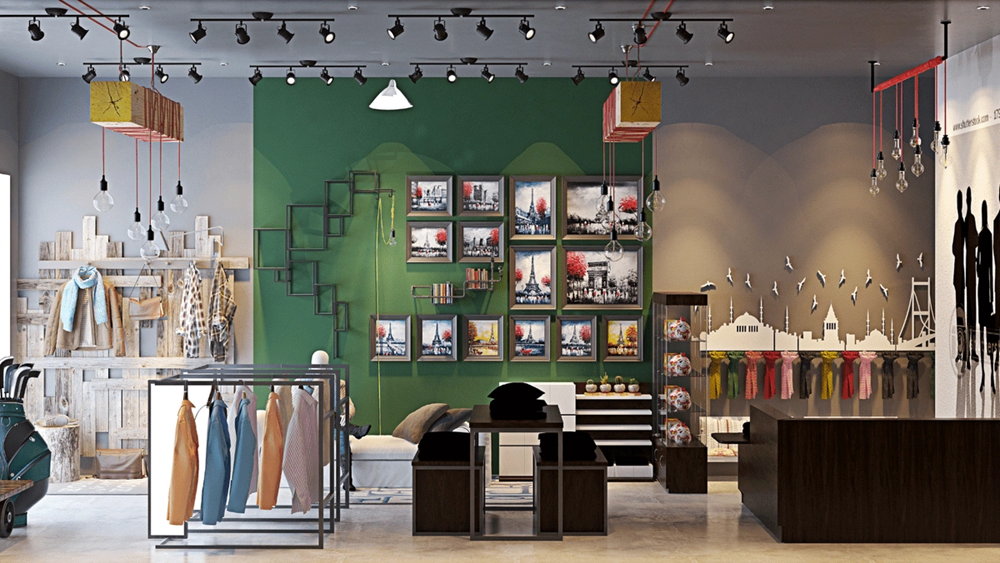
Turning browsers into buyers takes more than just attractive retail display fixtures. Retailers need a smart approach to improve customer participation and boost sales.
Strategic product placement
Product location can affect display performance drastically. Some categories see up to 600% difference in sales based on placement alone. Smart retail display fixtures put high-margin products at eye level, 4-5 feet from the ground, where customers naturally look. End caps boost sales more than standard shelf spots. Products should be arranged to direct customers through displays in a visually appealing way. Smart retailers group related products together to increase average order value. Essential items work best at the back of stores, which makes shoppers explore all areas.
Creating immersive shopping experiences
“Retailtainment” moves away from product features toward experience-based tactics that create emotional bonds. Interactive displays boost customer participation rates by 50% through customized experiences. Pop-up installations add exclusivity and urgency that turn shopping into an event worth remembering. Displays that welcome interaction through product demos, QR codes, or AR/VR experiences turn passive browsing into active participation. Textures, scents, and soundscapes spark emotions and build lasting connections.
Using data to refine display strategies
Evidence-based decisions give retailers an edge over competitors. Browsing patterns show which styles are trending, and product comparisons reveal what features customers review together. Tracking display dwell times helps identify successful designs. Visual merchandising analytics like heatmaps and computer vision tools teach us about customer behavior. Immediate, information-driven promotions achieve up to 2.8x higher conversion rates than static signs.
Common mistakes to avoid
Too many products overwhelm customers and make restocking harder. Tall displays that block customers’ view make it hard to move around. Crowded aisles create frustrating shopping experiences. Static shop windows fail to grab repeat visitors’ attention. Bad lighting makes it hard to read prices and promotional details. Retail displays need regular cleaning, restocking, and maintenance for the best results.
Conclusion
Retail display stands do more than just hold products—they serve as powerful sales tools that affect customer behavior and buying decisions a lot. Smart fixture choices can turn regular store spaces into environments that generate revenue.
Store owners should think about several key factors when picking display stands. The displays need to match the brand’s identity while looking good and working well. Each type of fixture—freestanding units, countertop displays, wall-mounted systems, or protective cases—should fit specific sales goals and product needs.
Smart placement is vital to make displays work. Products at eye level, end-cap displays, and grouped complementary items help boost sales potential. Interactive features, smart lighting, and clear signs turn casual browsing into an active shopping experience.
Analytical insights make displays perform better. Store owners who track customer movement, time spent, and how people interact with displays can fine-tune their fixture strategy. This data-focused approach helps businesses avoid common mistakes like crowded spaces, confusing layouts, and poor upkeep.
Today’s competitive retail world needs more than just good products—it needs outstanding presentation. Businesses that choose high-quality, well-designed display fixtures get ahead of their competition. Good retail displays work like silent salespeople, creating memorable shopping experiences that turn browsers into loyal customers.
Key Takeaways
Strategic retail display selection can dramatically transform your store’s sales performance through data-driven placement and customer psychology insights.
• Eye-level placement drives sales: Products positioned at 4-5 feet generate up to 600% higher sales than other locations, making height strategy crucial for revenue.
• Interactive displays boost engagement by 50%: Incorporating touchscreens, demos, or AR experiences transforms passive browsing into active customer participation and increases conversion rates.
• Strategic positioning creates impulse purchases: End caps and checkout displays capture 70% of shoppers’ attention, with impulse buys accounting for 60% of in-store sales.
• Custom fixtures strengthen brand identity: Aligning materials, lighting, and design with brand values creates memorable experiences that build customer loyalty and differentiate from competitors.
• Data-driven optimization maximizes ROI: Tracking customer traffic patterns, dwell times, and interaction metrics enables continuous refinement for up to 2.8x higher conversion rates.
The most successful retailers treat display stands as strategic investments rather than simple product holders. By combining psychological insights with practical functionality, these fixtures become powerful sales tools that work continuously to convert browsers into buyers and create lasting competitive advantages in today’s challenging retail environment.
FAQs
Q1. How do effective retail displays impact sales? Effective retail displays can significantly boost sales by strategically positioning products, creating visual appeal, and encouraging impulse purchases. Well-designed displays can increase category purchases by up to 76% and drive sales velocity by approximately 39%.
Q2. What are the key elements of a successful retail display stand? Successful retail display stands incorporate brand identity, strategic product placement, appropriate lighting, clear signage, and a balance between esthetics and functionality. They should also be adaptable to seasonal changes and new product lines.
Q3. How can interactive displays enhance customer engagement? Interactive displays can increase customer engagement rates by about 50% through personalized experiences. They can include touchscreens, product demos, QR codes, or AR/VR experiences, transforming passive browsing into active engagement and potentially boosting sales by up to 75%.
Q4. What role does product placement play in retail displays? Product placement is crucial in retail displays. Positioning high-margin products at eye level (4-5 feet from the ground) can significantly increase sales. End caps and checkout displays are particularly effective for driving impulse purchases, which account for about 60% of in-store sales.
Q5. How can retailers use data to optimize their display strategies? Retailers can use data-driven approaches to optimize display strategies by analyzing customer traffic patterns, dwell times, and interaction metrics. Visual merchandising analytics like heatmaps and computer vision tools provide insights into customer behavior, allowing for continuous refinement of display tactics and potentially delivering up to 2.8x higher conversion rates than static displays.