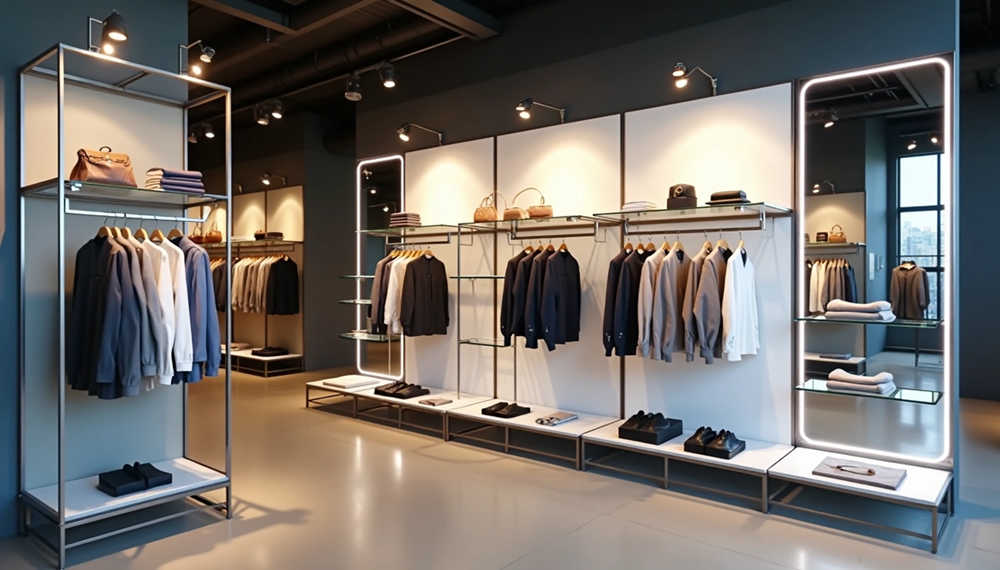
Custom retail display manufacturers operate specialized facilities that produce metal shopfitting systems for merchandise presentation applications. These companies have maintained production capabilities since 1979. Manufacturing operations focus on gondola shelving systems and related components that provide structural support for retail merchandise displays.
Retail display manufacturers produce steel outrigger systems designed for layout modifications. These systems allow retailers to adjust product arrangements according to seasonal merchandising requirements. Metal shopfitting components are manufactured in multiple sizes, finishes, and configurations to meet diverse retail environment specifications. Established suppliers maintain an inventory of thousands of retail fixtures, shelf management systems, and stock displays. Some manufacturers possess more than 60 years of production experience.
Manufacturing capabilities extend beyond standard product lines. Leading production facilities can complete custom prototypes within 24-hour timeframes. This rapid prototyping capacity provides operational advantages for retail applications with time-sensitive implementation schedules.
The following sections examine manufacturing processes, component specifications, and system assembly methods used by retail display manufacturers. Topics include material selection, fabrication techniques, and quality control standards that ensure durability and merchandising effectiveness in metal shopfitting systems.
Metal Shopfitting Systems for Retail Display Applications
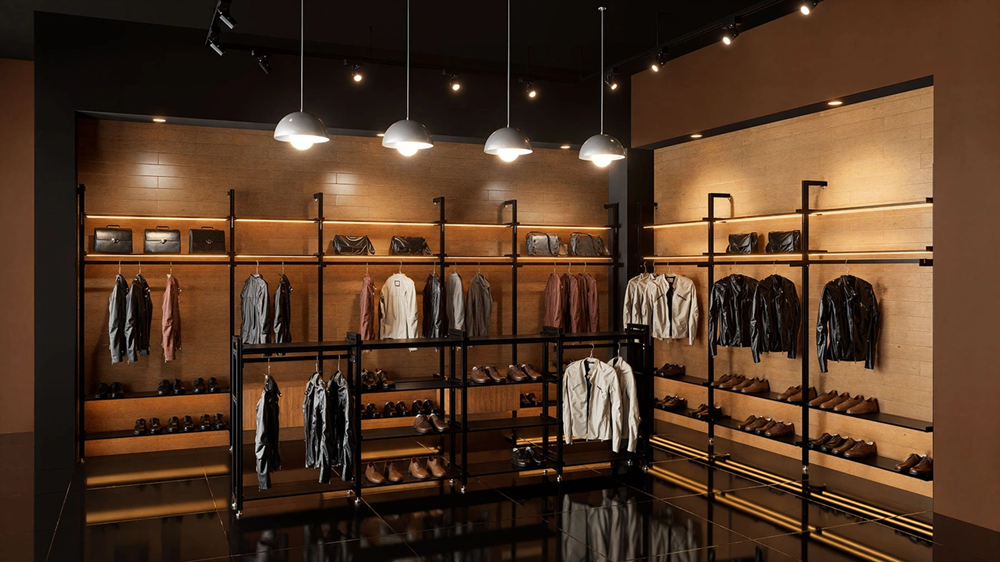
Metal shopfitting systems provide structural frameworks for retail merchandise presentation. These engineered solutions combine component modularity with display functionality to support product arrangements in retail environments.
Metal Shopfitting System Specifications
Metal shopfitting systems consist of interconnected components designed for retail merchandising and display applications. Component integration creates cohesive display solutions through modular design principles. Individual elements provide multiple functions when combined with other system components.
Metal shopfitting systems include these specifications:
- Component precision: Parts are manufactured in controlled production facilities to ensure consistency across retail locations
- Steel construction: High-grade steel materials provide durability against mechanical stress, moisture exposure, and operational wear
- Configuration options: Systems include freestanding shelving units and modular arrangements for specific spatial requirements
- Finish variations: Steel components receive surface treatments and finishes to match retail environment requirements
System effectiveness depends on modular integration principles where combined components provide greater functionality than individual parts. This modular design allows display reconfiguration without complete system replacement.
Shopfitting Applications in Retail Display Operations
Metal shopfitting systems establish the physical infrastructure for retail merchandising strategies. These systems provide the structural foundation for product presentation and customer navigation through retail spaces.
Shopfitting layout design influences customer movement patterns. Organized pathways guide shoppers through retail areas while positioning merchandise for optimal visibility [5]. System configuration creates structured environments that reduce navigation difficulties and extend customer browsing periods.
Operational efficiency results from adjustable system components. Shelves, brackets, and accessories attach to rail systems, providing multiple configuration possibilities using standard components. Staff can modify display arrangements for new merchandise or seasonal requirements without facility renovations.
Space utilization benefits from vertical merchandising capabilities. Wall-mounted systems and ceiling solutions maximize display capacity while preserving floor area for customer movement. These configurations maintain product visibility in limited retail spaces.
Metal shopfitting serves brand presentation functions beyond product support. Steel construction provides contemporary appearance characteristics that complement retail brand identity [3]. Clean system design creates uncluttered environments that focus attention on merchandise rather than display fixtures.
Professional shopfitting installations provide permanent infrastructure that adapts to changing retail requirements. This durability offers long-term value through continued functionality and modification capabilities. Systems accommodate signage integration, lighting fixtures, and specialized accessories as retail operations evolve.
Custom Metal Shopfitting System Categories
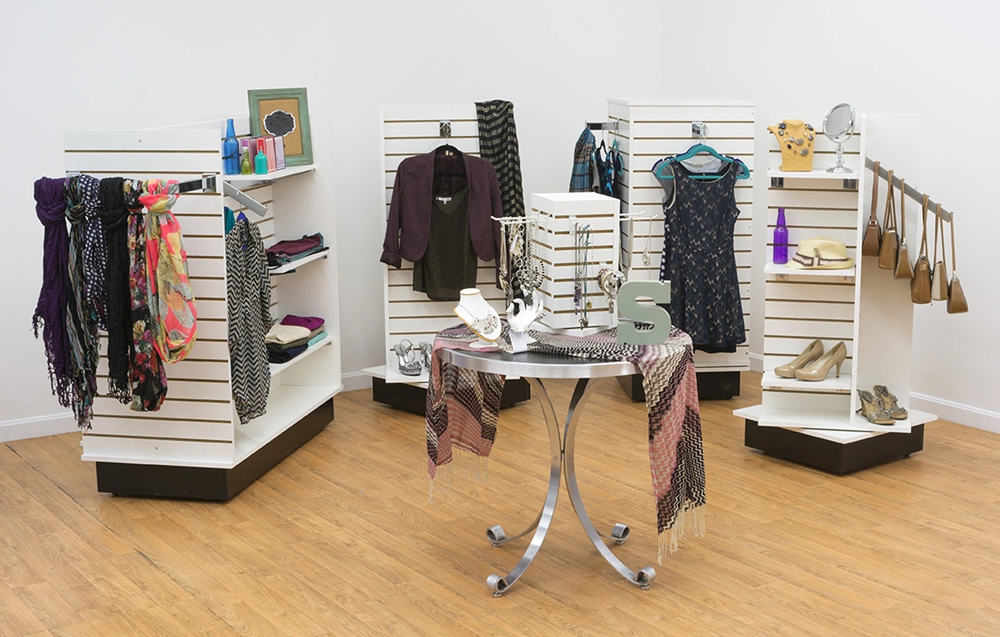
Retail environments require multiple shopfitting system configurations to address specific merchandising requirements. Manufacturing specifications vary according to installation method, load capacity, and spatial constraints.
Wall-Mounted Display Systems
Wall-mounted fixtures are manufactured for vertical merchandising applications. These systems utilize wall standards manufactured from steel with modular bracket attachment points. Component specifications include vertical uprights that support adjustable shelves, specialized accessories, and merchandise display hardware.
Manufacturing includes wood slatwall panels, metal gridwall configurations, and industrial pipe systems. Wall-mounted systems accommodate Lozier gondola shelves, wooden slatted components, hangrails, faceouts, garment racks, and outrigger hardware. Load capacities are engineered for layered display applications with high product density requirements.
Retail display manufacturers produce these fixtures with modular components that maximize product visibility within vertical display areas. Installation methods allow direct wall attachment while preserving floor space in retail environments.
Gondola Shelving Units
Gondola shelving systems are manufactured for aisle merchandising in retail, grocery, and hardware store applications. Steel base construction includes quarter-inch-thick pegboard panels with built-in groove connections for multi-unit installations. Assembly procedures require no tools and can be completed within minutes.
Manufacturing specifications include single-sided configurations for wall placement and double-sided versions for aisle installations. Load capacity ratings reach 500 pounds per shelf. Price channel integration is built into each shelf for merchandising information display.
Construction specifications accommodate both horizontal and vertical merchandising layouts. Eye-level placement typically occurs between 1500mm and 1700mm heights for high-value merchandise positioning.
Ceiling-Mounted Shelving Systems
Ceiling-mounted fixtures are manufactured from square steel, brass, or stainless steel materials with machined detail specifications. These systems arrive fully welded without assembly requirements. Configuration options include single or double-wide specifications with up to four-shelf heights.
Load capacity ratings support hundreds of pounds with proper structural support installation. Manufacturing includes custom glass, stone, or wood shelving options with hand-patinaed finish specifications.
Installation methods preserve floor space while providing overhead merchandising capabilities. Applications extend to various retail and hospitality environments.
Gridwall and Slatwall Hybrid Systems
Hybrid system manufacturing combines gridwall and slatwall technologies. Slatgrid panels feature a wire grid structure with double horizontal wire specifications that accommodate both gridwall and slatwall accessory types.
Component specifications include lightweight metal grids for wall-mounted or freestanding installation. Slatwall elements feature horizontal groove specifications for accessory attachment. Hybrid systems accommodate brackets, bases, faceouts, shelves, bins, baskets, hooks, and sign holders.
Manufacturing specifications support applications in discount stores, department stores, pop-up installations, seasonal shops, kiosks, and trade show exhibits. Construction allows setup, removal, and flat storage for backroom space efficiency.
Production Methods for Metal Shopfitting Components
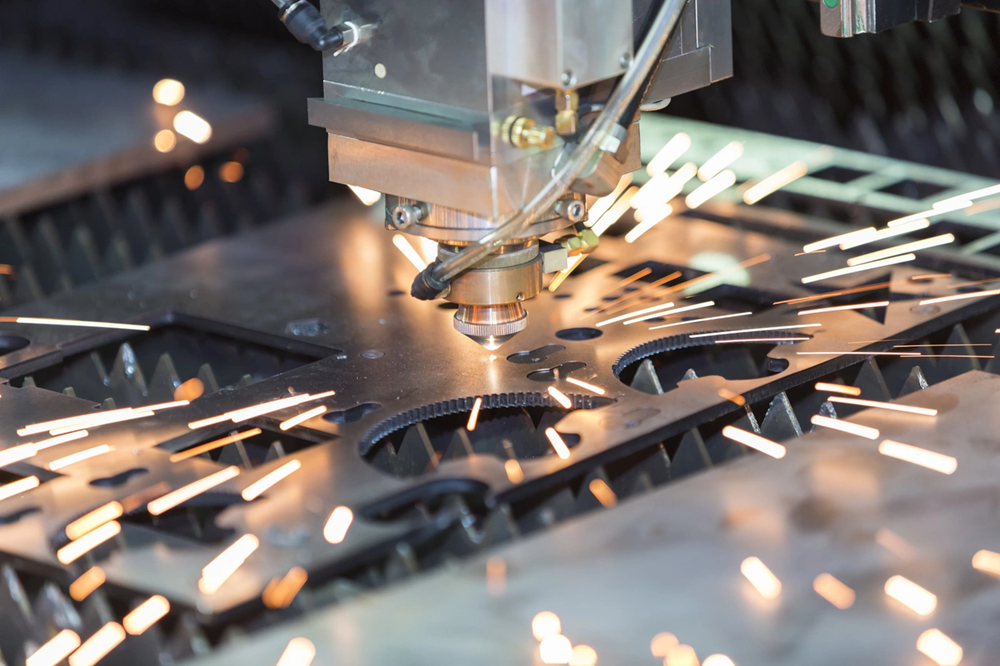
Retail display manufacturers employ standardized production methods to produce metal shopfitting systems. Manufacturing processes ensure component quality, structural durability, and surface finish specifications required for retail applications.
Steel Material Specifications and Selection
Material specifications determine shopfitting system performance characteristics. Manufacturers select mild steel, stainless steel, and aluminum for standard applications. Specialized projects utilize copper and brass materials for specific design requirements. Steel selection criteria include strength properties, durability ratings, cost factors, and appearance characteristics.
Structural components requiring maximum strength utilize medium carbon steel containing 0.30% to 0.60% carbon content. Display elements requiring flexibility are manufactured from mild carbon steel with 0.04% to 0.30% carbon content. Material specifications ensure shopfitting systems maintain structural performance throughout operational service life.
CNC and Laser Cutting Production Techniques
Fiber laser cutting technology achieves production speeds exceeding 2000 inches per minute with precision tolerances. CNC systems include automated material loading and unloading from storage towers for continuous production cycles.
Laser cutting production advantages include faster processing speeds, reduced material waste, and complex design capability. Cut edges require minimal finishing operations. Manufacturers provide tumbling services for softened edge treatments when specified.
Welding Methods and Protective Coating Application
Production welding methods include:
- Seam welding for watertight joints suitable for cleaning solution exposure
- TIG welding for precision components with visible joint areas
- Spot welding for permanent assembly without grinding requirements
Powder coating application involves electrostatic powder application followed by heat curing at 180°C to 210°C temperatures. Powder coating provides a uniform finish with resistance to chipping, fading, and corrosion for high-traffic retail applications. Applied coating maintains appearance specifications for 15-20 year service periods.
Manufacturing Quality Assurance Procedures
Quality control procedures include incoming material inspection to verify specification compliance. Production monitoring verifies manufacturing step adherence to design specifications.
Final product testing evaluates strength, stability, and finish quality before shipping. Quality assurance procedures ensure merchandising display systems meet performance requirements for retail environment applications.
Product Customization Specifications for Metal Display Systems
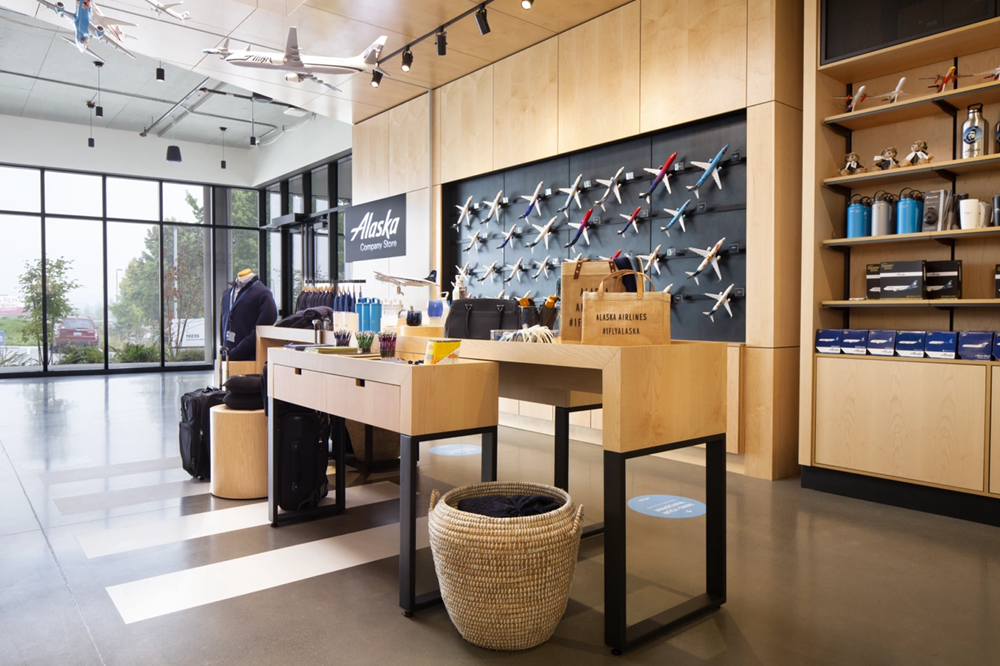
Custom retail display manufacturers provide specified adaptation options for retail merchandising systems. Standard fixtures are modified to meet brand-specific retail environment requirements.
Component Specifications: Brackets and Shelf Systems
Modular design allows height adjustment capabilities without tool requirements. Bracket systems connect to vertical standards through precision-engineered mounting points. UniSlot systems feature 15mm wide block punched holes that accommodate four accessories simultaneously at a single level. Shelf widths are produced in three standard measurements: 600mm, 900mm, and 1200mm. Weight capacity specifications support substantial merchandise loads while maintaining spatial efficiency.
Brand Integration: Signage and Panel Systems
Signage integration capabilities include gondola toppers, shelf edge signs, and branded panel options. DGS Retail produces specialized signage concepts that function as brand communication elements at point-of-purchase locations. These components reinforce brand identity through direct customer contact points.
Surface Treatment Options and Color Specifications
Finish selections include standard colors: white, black, and native oak. Custom retail display manufacturers provide access to hundreds of designer finish options. Available textures include hammertone patterns and wood grain surfaces. Metal displays receive powder coating treatment that maintains appearance specifications for 15-20 years in high-traffic retail applications.
Hardware Integration: Accessory Components
Display accessory specifications include:
- Crossbar systems with straight, stepped, and sloping arm configurations for front-facing displays
- Hangrail systems for side-hanging applications with increased stock capacity
- Folding wire basket components in multiple size specifications
- Shelf divider systems for product separation requirements
- Signage holder components for product identification applications
Distribution and Store Implementation Services
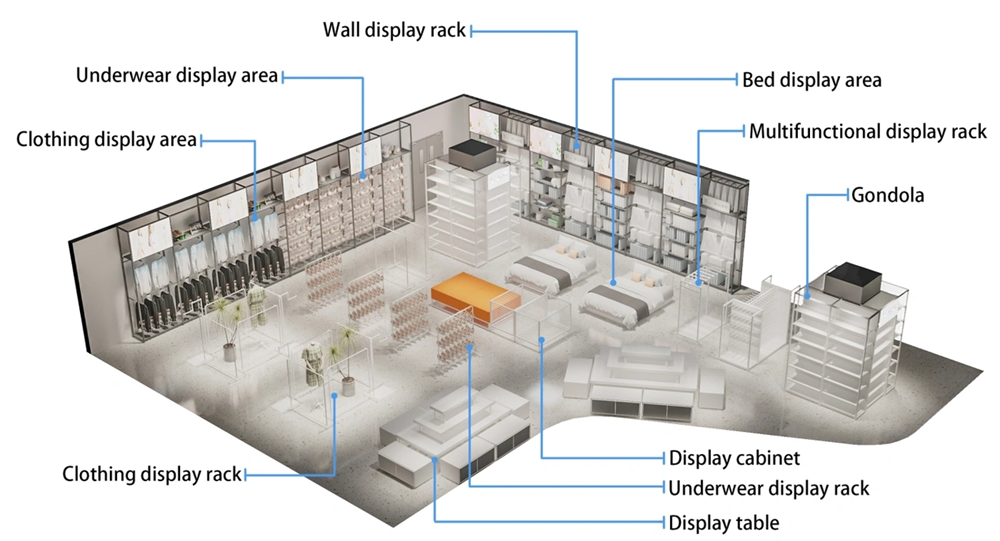
Metal shopfitting system implementation requires systematic distribution processes. Manufacturers maintain established workflows for store integration and fixture deployment across retail locations.
Development Testing Through Pilot Store Programs
Implementation begins with prototype development, followed by pilot store evaluation. Retail display manufacturers select specific store locations for controlled testing environments before large-scale deployment. Corporate flagship stores provide stakeholder evaluation opportunities, though these locations present challenges for formal testing due to additional customer traffic factors. Pilot store selection excludes recently remodeled locations, stores experiencing economic changes, or sites affected by nearby construction activities.
Inventory Management and Freight Operations
Manufacturers utilize just-in-time inventory approaches for fixture delivery. This method provides inventory immediately before installation rather than extended warehousing periods [16]. Operations benefit from reduced inventory costs, improved cash flow management, and decreased overstocking risks [16]. Three primary freight methods support distribution requirements:
- Parcel shipping: Lightweight replacement parts and graphic insert delivery
- LTL (Less Than Truckload): Multiple pallet shipments to distribution centers
- FTL (Full Truckload): Large rollout projects requiring multiple pallets
Store Installation and Deployment Standards
Distribution includes comprehensive installation guidelines for consistent implementation across retail chains. Shipment preparation involves proper palletization techniques, appropriate pallet sizing, correct carton stacking, and clear shipping label placement on multiple package sides. Distribution methods include DC Distribution for bulk regional distribution center shipping and Drop-Shipping for direct individual store delivery.
Business Applications and Industry Standards
Metal shopfitting systems provide foundational infrastructure for retail merchandise presentation across global markets. These fixtures establish standardized frameworks that support consistent product display strategies. The partnership between display manufacturers and retail clients focuses on operational efficiency and cost-effective implementation.
Material specifications determine system performance in commercial environments. Steel grade selection addresses structural requirements, appearance standards, and operational longevity. Manufacturing processes ensure component consistency across multiple installation sites.
Modular system design supports retail operational flexibility. Adjustable components accommodate merchandise changes without complete fixture replacement. This approach reduces operational costs while maintaining display effectiveness throughout seasonal cycles.
Customization capabilities address brand presentation requirements. Finish options, integrated signage systems, and accessory configurations support brand identity implementation. These elements enhance point-of-purchase communication while maintaining functional display performance.
Distribution and installation procedures ensure consistent system deployment. Coordination between manufacturing facilities and retail locations supports efficient project timelines. Proper planning reduces installation complications and maintains operational schedules.
Metal shopfitting systems continue to meet evolving retail requirements through established manufacturing standards. The focus remains on creating organized retail environments that support effective merchandise presentation. Manufacturers with proven production capabilities provide reliable solutions that address both functional requirements and budget considerations.
Key Takeaways
Understanding how custom retail display manufacturers create metal shopfitting systems reveals the sophisticated engineering and strategic thinking behind effective retail environments.
• Modular design maximizes adaptability: Metal shopfitting systems use interconnected components that create exponential value, allowing retailers to reconfigure displays without replacing entire fixtures as merchandise needs change.
• Advanced manufacturing ensures durability: Precision laser cutting, CNC fabrication, and powder coating create fixtures that maintain structural integrity and visual appeal for 15-20 years in high-traffic retail environments.
• Strategic material selection drives performance: Manufacturers choose specific steel grades based on strength requirements, with medium carbon steel for structural components and mild carbon steel for flexible elements.
• Customization transforms fixtures into brand tools: Color matching, integrated signage, and finish options convert standard displays into powerful brand communication vehicles that reinforce identity at the point of purchase.
• Efficient logistics enable successful rollouts: Just-in-time inventory strategies and systematic prototype-to-pilot workflows ensure smooth transitions from concept to store-ready fixtures across multiple retail locations.
The investment in quality metal shopfitting systems pays dividends through their longevity, adaptability, and ability to enhance both product presentation and customer experience in retail environments.
FAQs
Q1. What are the key components of an effective metal shopfitting system? An effective metal shopfitting system typically includes modular brackets, adjustable shelves, integrated signage panels, and various accessories like hooks and bins. These components allow for versatile merchandising solutions that can be easily reconfigured as needed.
Q2. How do custom retail display manufacturers ensure durability in their products? Manufacturers use precision fabrication techniques like CNC and laser cutting, along with high-quality welding and powder coating processes. These methods, combined with careful material selection, create fixtures that can withstand the demands of high-traffic retail environments for 15-20 years.
Q3. What customization options are available for metal shopfitting systems? Customization options include color matching to brand specifications, various finish textures (like hammertone or wood grain), integrated branding panels, and a wide range of accessories. These allow retailers to create unique, brand-specific selling environments.
Q4. How do manufacturers approach the logistics of implementing new display systems? Manufacturers typically follow a prototype-to-pilot store workflow, use just-in-time inventory strategies, and provide comprehensive installation guidelines. They may employ different shipping methods (parcel, LTL, or FTL) depending on the scale of the rollout and the needs of the retailer.
Q5. What are the advantages of using metal shopfitting systems in retail environments? Metal shopfitting systems offer durability, adaptability, and visual appeal. They maximize space efficiency, allow for easy reconfiguration of displays, and can be customized to reinforce brand identity. Their modular nature also makes them a cost-effective long-term investment for retailers.