
Supermarket shelving systems and warehouse racks serve different operational requirements. Supermarket shelves typically measure 1.8 to 2.8 meters (6–9 feet) in height [1]. Warehouse racking systems provide high-capacity storage for industrial applications.
Height represents one specification difference. Supermarket shelves display products with customer accessibility as the primary function. These systems handle loads under 150 kg (330 lbs) per shelf level. Warehouse racking systems support heavier loads. Medium-duty warehouse racks carry between 300–500 kg (660–1,100 lbs) per level. Weight capacity differences reflect distinct operational purposes.
Supermarket shelving facilitates lightweight, manual handling applications. Warehouse racking accommodates heavy loads and requires equipment operation for access. Storage solution selection depends on operational requirements. Warehouse racking provides increased storage capacity and operational efficiency for logistics and supply chain operations.
This guide covers the differences between supermarket shelving and warehouse racking systems. Topics include structural design specifications and load capacity requirements. Understanding these distinctions enables businesses to select storage solutions that match operational requirements and business objectives.
Purpose and Use Case Differences
Supermarket shelving and warehouse racking systems serve different operational functions. These systems are engineered with distinct priorities to meet specific business requirements.
Supermarket Shelving: Display and Customer Access Applications
Supermarket shelving systems focus on customer engagement and product visibility rather than maximum storage density. These systems prioritize product accessibility, visual appeal, and customer interaction. Most supermarket shelves utilize structural designs below 3 meters to maintain comfortable customer reach zones.
Retail fixtures incorporate clean lines and adjustable layer boards to accommodate different product categories and sizes. Standard accessories include:
- Price strips and information compartments
- Display hooks for hanging merchandise
- LED lighting systems for product enhancement
Manufacturing processes for supermarket shelving involve greater complexity compared to warehouse racks. These systems serve dual functions of storage and display. Store layout design guides customer movement patterns and creates retail environments that encourage purchasing decisions.
Self-service grocery stores utilize shelving as product presentation systems, enabling quick product identification. Customer accessibility supports independent shopping experiences and streamlined store operations.
Warehouse Racks: Storage Capacity and Operational Efficiency
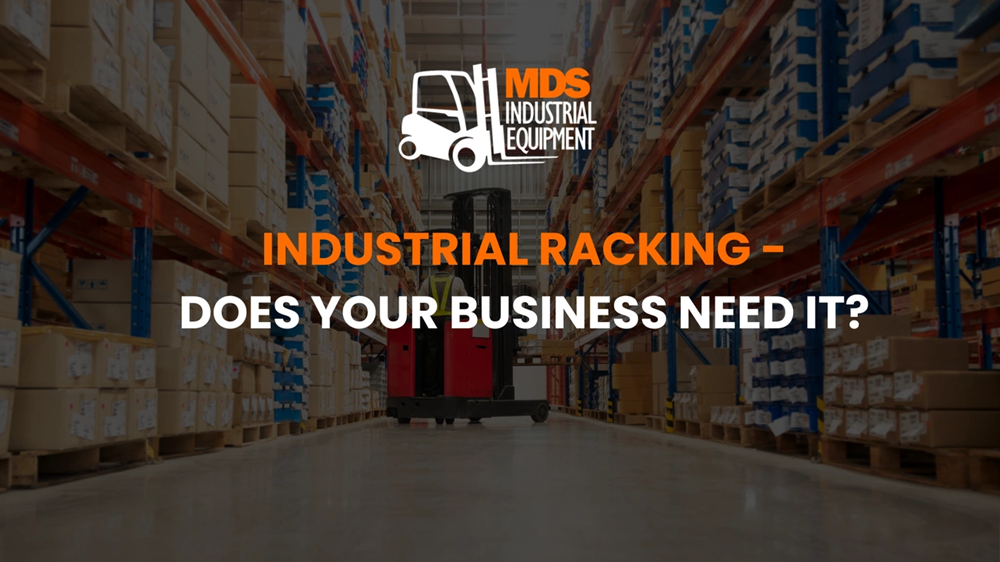
Warehouse racking systems prioritize operational efficiency over visual presentation. These systems maximize inventory storage within available floor space. Industrial racking commonly reaches heights exceeding 40 meters to utilize vertical space in warehouse environments.
Medium-duty warehouse racks accommodate palletized loads and integrate with material handling equipment, including forklifts and hand pallet jacks. System integration provides:
- Organized stock rotation procedures
- Streamlined inventory management
- Maximum storage density utilization
Warehouse racks emphasize weight capacity and structural integrity over display features. Design specifications support heavy-duty applications in e-commerce fulfillment centers, wholesale distribution facilities, and manufacturing warehouses.
Manufacturing processes for warehouse racking focus on structural strength rather than display capabilities. These systems accommodate items requiring mechanized handling equipment for storage and retrieval operations.
Design and Structural Differences
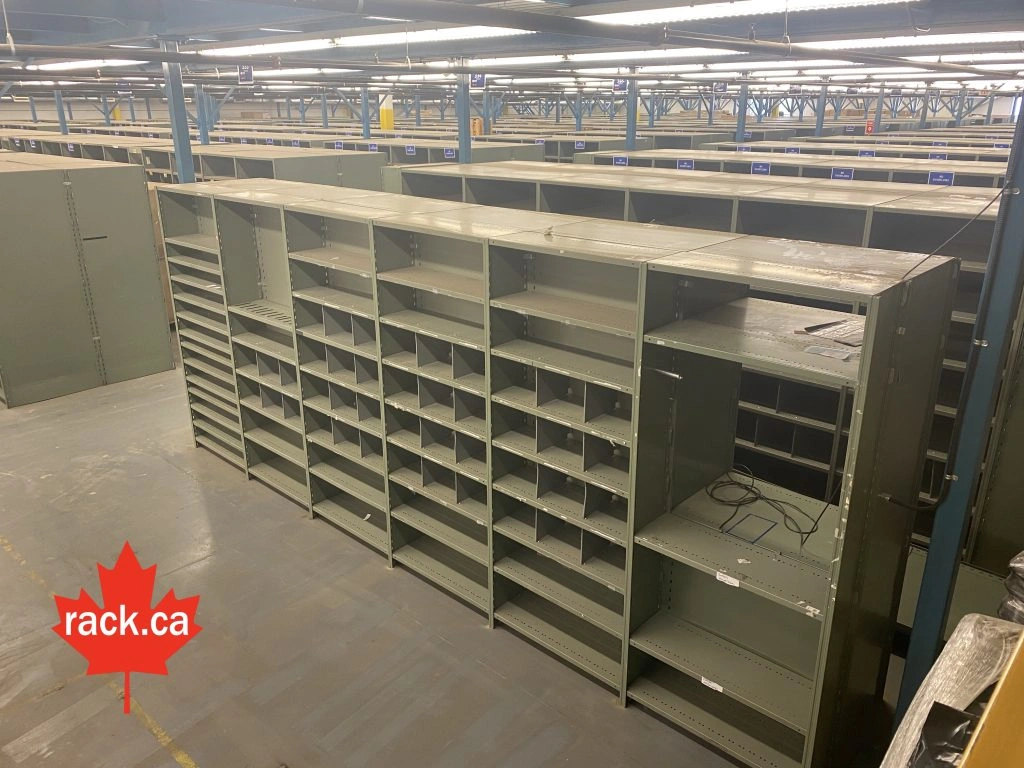
Supermarket shelving and warehouse racks exhibit different physical specifications. These structural variations determine installation requirements and operational capabilities.
Height and Dimensions: 2.5m vs 5m Systems
Supermarket shelving systems stand between 1.8 to 2.8 meters tall. Human-centric design ensures customer access without assistance. Warehouse racking reaches standard heights of 3 to 5 meters. Industrial systems extend to 12 meters or 40 meters in specialized applications. Vertical expansion maximizes storage capacity within floor space limitations.
Load Capacity: 150kg vs 500kg per Level
Weight-bearing specifications differ substantially between systems:
Supermarket shelves: Under 150kg per shelf level. Medium-duty warehouse racks: 300-500kg per level
Heavy-duty industrial versions: 1,000kg to 4,000kg
Capacity differences explain equipment requirements. Warehouse operations use specialized lifting equipment. Supermarket staff handle manual stocking procedures.
Material Composition: 1.0mm vs 2.5mm Steel Thickness
Material construction specifications vary with intended use. Supermarket shelving employs 1.0-1.5mm cold-rolled steel. This balances strength with lighter weight for reconfiguration flexibility. Warehouse racking uses 1.8-2.5mm thick cold-rolled steel with reinforced joints. Heavy-duty systems feature 13-gage steel uprights supporting total loads exceeding 28,300 pounds.
Product Types and Configurations
Supermarket Shelving Systems: Single-Sided, Double-Sided, End Cap
Supermarket shelving systems include three primary configurations for retail applications. Single-sided shelves feature L-shaped design for wall-line displays and narrow aisles. Double-sided units create aisle structures with merchandise access from both sides, providing maximum display area in central store spaces. End caps position at aisle ends for promotional or seasonal items, measuring approximately one-third of standard gondola length.
Warehouse Rack Classifications: Light-Duty vs Medium-Duty
Warehouse rack classification depends on weight capacity and application requirements. Light-duty shelving accommodates small components storage with angle steel construction. This design allows easy disassembly and flexible combinations. Medium-duty racks use column-and-hook systems supporting 300-500kg per level. These racks are commonly found in shopping malls, enterprise warehouses, and institutions. Height adjustment features 50mm increments without requiring tools.
Modular Design and Expansion Capabilities
Both systems provide adaptability through modular construction. Supermarket gondolas expand with add-on units. A 24-foot aisle requires one 36″ W starter plus seven 36″ W add-ons. Warehouse racking systems feature expandable frameworks that accommodate changing inventory requirements. Customization options include:
- Various finishes
- Integrated lighting systems
- Specialized accessories like wire baskets
- Quick reconfiguration capability
These modular features enable businesses to adjust storage solutions based on operational changes and inventory requirements.
Storage Solution Selection Based on Business Requirements
Storage solution selection requires evaluation of operational requirements and industry specifications. Business environments require different system configurations for optimal efficiency and profitability.
Retail Store Applications: Grocery Store Requirements
Self-service grocery stores require gondola shelving systems that provide product visibility and customer accessibility. These operations need systems supporting first-in, first-out (FIFO) inventory flow for perishable products to reduce spoilage. Shelving solutions enable customer product location while maximizing store floor space utilization. Customization options include adjustable shelves and accessories such as hooks and signage channels for diverse merchandising requirements.
Warehouse Storage Operations: Pallet Systems and Inventory Management
Warehouse operations require robust racking systems that support stock rotation and inventory management procedures. Proper rotation strategies reduce waste by up to 30% and improve cash flow by 20-40%. Selection between FIFO, FEFO (First Expired, First Out), and LIFO (Last In, First Out) depends on product characteristics. Pallet racking systems accommodate facility height requirements and support various loads from containers to drums. Configured systems provide organized aisle access for direct pallet handling in large-scale storage operations.
Procurement Options: Direct Manufacturing vs Local Distribution
Direct manufacturer purchasing provides lower per-unit costs for large, consistent order volumes. Distribution channels offer flexibility for smaller quantities, just-in-time delivery requirements, and broader product variety. Local suppliers such as Storflex in Miami provide customized solutions with reduced lead times. Total cost including storage, labor, and inventory management determines value rather than unit price alone. Business scale and ordering patterns determine optimal procurement approach.
Specification Comparison
| Feature | Supermarket Shelving | Warehouse Racks |
|---|---|---|
| Height Range | 1.8-2.8 meters (6-9 feet) | 3-40 meters |
| Load Capacity (per level) | Under 150 kg (330 lbs) | 300-500 kg (660-1,100 lbs) for medium-duty |
| Material Thickness | 1.0-1.5mm cold-rolled steel | 1.8-2.5mm cold-rolled steel |
| Primary Purpose | Product display and customer accessibility | Maximum storage capacity and operational efficiency |
| Key Features | – Price strips – Display hooks – LED lighting – Adjustable layer boards – Clean lines | – Heavy-duty construction – Equipment integration (forklifts) – Fast stock rotation – 50mm incremental height adjustment |
| Common Configurations | – Single-sided (wall) – Double-sided (aisles) – End caps | – Light-duty – Medium-duty – Heavy-duty |
| Access Method | Manual handling | Requires equipment for access |
| Target Environment | Retail stores, self-service grocery stores | Warehouses, e-commerce fulfillment centers, wholesale depots |
Specification Summary
Supermarket shelving and warehouse racking systems serve distinct operational requirements. Supermarket shelving measures 1.8-2.8 meters height with 150kg capacity per level. Warehouse racking reaches 3-40 meters height supporting 300-500kg per level for medium-duty applications.
Material specifications differ according to application requirements. Supermarket fixtures use 1.0-1.5mm cold-rolled steel for product display functions. Warehouse systems employ 1.8-2.5mm cold-rolled steel for structural durability and equipment integration. Both systems offer modular expansion capabilities for different operational needs.
Storage solution selection requires assessment of specific business requirements. Retail environments require shelving systems for product display and customer accessibility. Warehouse operations require racking systems for stock rotation and inventory management efficiency. The selection depends on operational priorities: product showcase requirements or storage capacity optimization.
Business requirements determine the appropriate system selection. Weight capacity specifications, dimensional requirements, and operational objectives guide selection decisions. The selected system affects operational efficiency and space utilization effectiveness. Storage infrastructure selection impacts business operations rather than representing a simple choice between different fixture types.
Key Takeaways
Understanding the fundamental differences between supermarket shelving and warehouse racks is crucial for selecting the right storage solution that aligns with your business operations and maximizes efficiency.
• Height and capacity differ dramatically: Supermarket shelves reach 1.8-2.8m with 150kg capacity, while warehouse racks extend 3-40m supporting 300-500kg per level.
• Purpose drives design: Retail shelving prioritizes customer accessibility and product display, whereas warehouse racks focus on maximizing storage density and operational efficiency.
• Material construction reflects intended use: Supermarket systems use 1.0-1.5mm steel for lighter loads, while warehouse racks employ 1.8-2.5mm steel for heavy-duty applications.
• Access methods determine functionality: Retail shelving enables manual handling for customer browsing, while warehouse racks require specialized equipment like forklifts for operation.
• Business environment dictates choice: Self-service stores need accessible display systems, while warehouses require robust racking for efficient stock rotation and inventory management.
The right storage solution balances practical considerations like weight capacity and dimensions with specific business requirements, ensuring optimal space utilization whether you’re showcasing products for consumers or maximizing storage for operational efficiency.
FAQs
Q1. What are the main differences between supermarket shelving and warehouse racking? Supermarket shelving is designed for product display and customer accessibility, typically standing 1.8-2.8m tall with a capacity of 150kg per level. Warehouse racking, on the other hand, focuses on maximizing storage capacity, reaching heights of 3-40m and supporting 300-500kg per level for medium-duty applications.
Q2. How does the material construction differ between supermarket shelves and warehouse racks? Supermarket shelving systems use 1.0-1.5mm thick cold-rolled steel, balancing strength with lighter weight for easier reconfiguration. Warehouse racking employs 1.8-2.5mm thick cold-rolled steel with reinforced joints for greater durability and heavier loads.
Q3. What are the primary types of shelving used in supermarkets? Supermarkets typically use three main types of shelving: single-sided shelves for wall displays, double-sided units for creating aisles, and end caps for promotional or seasonal items at aisle ends.
Q4. How do warehouse racking systems accommodate different storage needs? Warehouse racking systems offer light-duty and medium-duty options to suit various storage requirements. They feature modular designs for easy expansion and 50mm incremental height adjustments to accommodate different product sizes and weights.
Q5. What factors should businesses consider when choosing between supermarket shelving and warehouse racks? Businesses should consider their specific operational needs, such as product visibility and accessibility for retail environments, or efficient stock rotation and inventory management for warehouses. They should also factor in the required load capacity, available space, and whether manual handling or equipment access is needed.