

Effective shelf display transforms a retail space. It immediately attracts customer attention. Shoppers easily find what they need. This simplifies product selection. A well-organized display enhances the overall shopping experience. Research shows optimizing display allocation can lead to an average 11.15% increase in store revenue. One study even found repositioning bottled juices resulted in a 79% increase in sales. Shelf displays significantly influence consumers’ brand choice decisions, helping businesses increase sales.
Key Takeaways
- Good shelf displays attract customers. They make shopping easy and boost sales.
- Understand customer psychology. Use visual appeal and product placement to influence buying.
- Place products at eye level. This makes them more visible and increases sales.
- Use colors and lighting wisely. They create a good mood and highlight important products.
- Tell a story with your displays. This connects with customer emotions and builds brand loyalty.
- Keep displays clean and organized. This shows professionalism and makes shopping comfortable.
- Use technology like heat mapping. It helps understand what customers look at.
- Avoid clutter and bad lighting. These mistakes confuse customers and make products look bad.
Understanding Customer Psychology for Increased Sales
Effective shelf displays tap into fundamental aspects of customer psychology. Businesses can significantly influence purchasing decisions by understanding how people perceive and interact with retail environments. This understanding helps to increase sales.
The Power of First Impressions
Visual Appeal and Engagement
A well-designed product display immediately captures attention. It draws customers into a space. This initial visual appeal is crucial. Displays convey a brand’s identity, values, and product quality. They reflect whether a store is a high-end boutique or a budget-friendly option. Effective displays guide customers through a store. They highlight key products and influence the purchasing journey. The way a product appears significantly impacts its perceived worth. A carefully curated display makes an item seem more luxurious or desirable. This contrasts with an item on a cluttered shelf. Color schemes, lighting, and design elements all contribute to visual appeal. For example, a study by the University of Loyola indicates that color can increase brand recognition by up to 80%.
Immediate Product Recognition
Customers quickly identify products when displays are clear and organized. This immediate recognition simplifies their shopping experience. It reduces cognitive load. When products are easy to find, customers feel less overwhelmed. This encourages them to browse more.
Eye-Level is Buy-Level
Optimal Product Placement
Placing products at eye level maximizes their visibility. This strategic placement often leads to higher sales. Customers naturally scan shelves at this height. Products positioned here receive more attention. This principle aligns with impulse buying, where emotional responses drive unplanned purchases. Strategic placement encourages these buys.
Strategic Product Grouping
Grouping related products together enhances discoverability. It also suggests complementary purchases. For instance, placing pasta sauce next to pasta encourages customers to buy both. This strategic grouping simplifies decision-making for customers. It also increases the average transaction value.
The Role of Color and Lighting
Creating an Inviting Atmosphere
Color and lighting profoundly affect customer mood and behavior. Retailers strategically select color schemes to evoke specific emotions. A well-chosen color palette impacts customer moods and buying behaviors. It guides purchasing decisions. It also sets the overall atmosphere. For example, blue evokes calm and trust, putting customers at ease. Yellow creates cheerfulness and optimism.
| Color | Mood/Emotion Evoked | Influence on Purchasing Behavior |
|---|---|---|
| Red | Urgency, Excitement, Energy | Highlights sales, draws attention to promotions, encourages quick action |
| Blue | Calm, Trust, Confidence | Puts customers at ease, inspires confidence, creates welcoming feel |
| Yellow | Cheerful, Optimistic, Brightness | Brightens moods, encourages browsing, attracts attention (use thoughtfully) |
Highlighting Key Products
Strategically placed lighting highlights essential products. It creates depth and sets the desired mood. Research shows that proper lighting can increase sales by up to 40%. It draws the eye to specific items. This makes them stand out from the rest of the display. This technique effectively directs customer attention to high-margin or promotional items.
Storytelling Through Display
Retailers transform simple product arrangements into compelling narratives. They use displays to tell stories. These stories resonate with customers. They create deeper connections.
Connecting with Customer Emotions
Displays evoke emotions. They create memorable shopping experiences. A well-crafted display transports customers. It allows them to imagine using the product. This emotional connection goes beyond basic product features. It builds loyalty. For example, a display featuring camping gear might show a tent set up in a simulated forest. This scene evokes feelings of adventure and escape. Customers visualize themselves enjoying the outdoors. This emotional engagement encourages purchases. It makes the product more desirable.
Building Brand Narratives
Displays communicate a brand’s identity and values. They tell the brand’s unique story. This narrative helps customers understand what the brand stands for. It differentiates the brand from competitors.
Immersive displays connect personally with customers. They relate the brand story to daily life. Tallipihan Suklaapuoti, a chocolate shop, transformed its space into a “hidden winter wonderland.” This immersive visual merchandising created a magical experience. It connected visitors with the brand’s whimsical side.
Many successful brands use storytelling through their displays and overall experience:
- IKEA creates an enjoyable shopping experience. Customers feel their products become part of personal stories. This happens through in-store spaces and even food offerings.
- Apple focuses on innovation. It invites consumers to join a brand story emphasizing “thinking differently.” This approach builds a loyal following.
- LUSH uses consistent visual and message-driven storytelling. It highlights ethical product sourcing, no animal testing, and plastic-free packaging. This makes beauty rituals pleasurable and sustainable.
- Patagonia tells compelling stories through its products, values, and sustainability mission. Its “Worn Wear” campaign encourages celebrating existing possessions. It connects with inspiring individuals.
- Fischer Sund offers a unique, artsy customer experience. It blends brick-and-mortar with online. The brand deeply embeds Icelandic nature and culture into its story. It uses scented tours, art galleries, and local ingredients.
These examples show how displays become powerful tools. They communicate a brand’s essence. They build strong connections with customers. This approach moves beyond simple transactions. It fosters lasting relationships.
Practical Strategies for Effective Shelf Merchandising
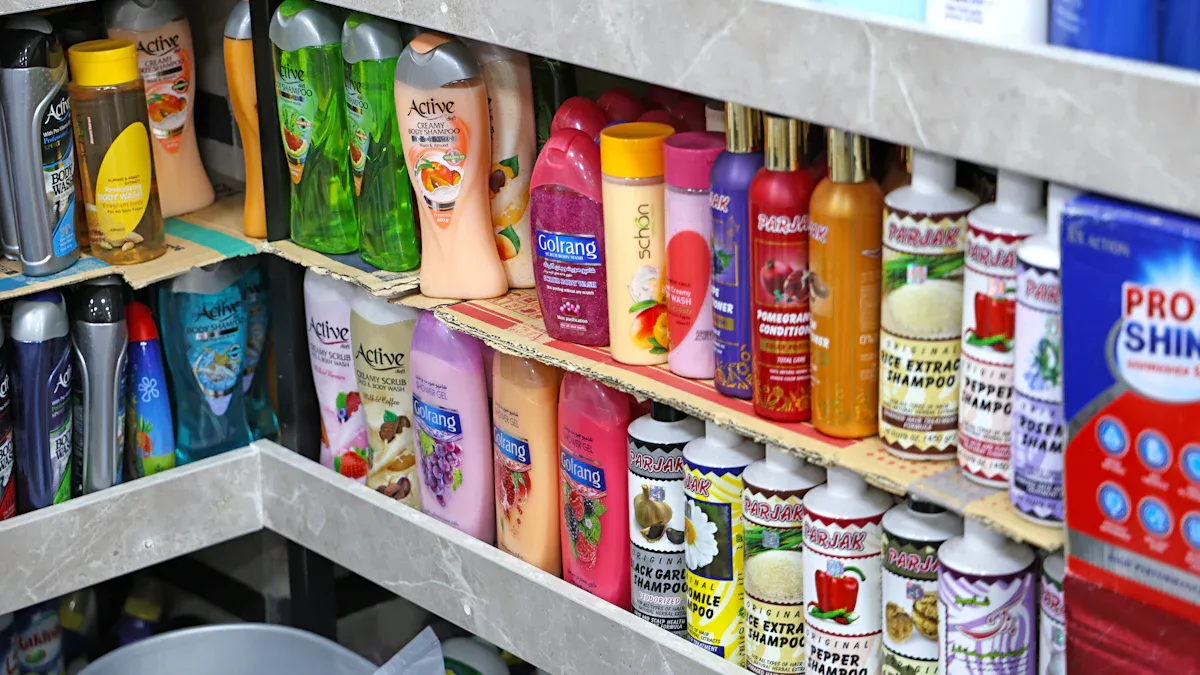
Retailers can implement several practical strategies to optimize shelf displays. These methods directly influence customer behavior and drive purchasing decisions.
Logical Product Grouping and Cross-Selling
Strategic product grouping enhances the shopping experience. It encourages customers to purchase more items.
Enhancing Discoverability
Grouping related products helps customers easily find what they need. It also introduces them to complementary items. Businesses identify products that naturally go together. They consider how customers use products and what accessories enhance their experience. Analyzing purchase history and browsing patterns reveals customer interests. This data helps identify additional items that complement purchases. This insight is crucial for successful cross-selling.
Facilitating Impulse Buys
Bundling products simplifies the purchasing decision. It presents a complete solution to customers. For example, a coffee brand could offer a “Home Brew Starter Kit” including beans, a grinder, and mugs. This approach makes the purchase feel curated and convenient. It encourages customers to buy multiple items as a single package. Bundles can increase order values. They frame extras as a complete solution, often with a slight discount to enhance perceived value. Data-backed product pairings, identified through sales history, help recommend high-converting combinations. This strategy helps increase sales by encouraging additional purchases.
Clear Pricing and Information
Transparent and accessible information removes barriers to purchase. It builds customer confidence.
Removing Purchase Barriers
Pricing details should be immediately visible. They appear prominently, ideally above the fold. Retailers use clear, straightforward language, avoiding jargon. They disclose all fees and charges upfront. This prevents misleading customers. Emphasizing the benefits and value customers receive helps justify the price. Visual aids like pricing tables facilitate comparison of options. Clearly communicating return policies and satisfaction guarantees reduces customer concerns. This makes them more likely to purchase.
Building Customer Trust
Displaying trust badges, such as SSL certificates and secure payment logos, assures customers of data safety. These appear prominently, especially near the ‘Add to Cart’ button. Showing clear pricing with visible discounts highlights value. It increases purchase likelihood. Retailers ensure pricing is prominent. They consider showing price per unit for bulk items. Providing detailed yet concise product descriptions, using bullet points for key features and benefits, builds trust. Clear shipping and return policies, easily accessible on product pages, also enhance confidence.
Utilizing Signage and POP Materials
Signage and point-of-purchase (POP) materials effectively guide customer decisions. They highlight promotions.
Guiding Customer Decisions
Various POP displays serve different purposes. Temporary POP displays, made from cost-effective materials like cardboard, are ideal for short-term sales or seasonal products. Semi-permanent displays last longer, suitable for new product lines. Permanent displays, built from durable materials, are perfect for high-demand or flagship products. Digital POP displays offer vibrant graphics and animation for an interactive shopping experience. Floor displays and end caps, located at aisle ends, receive heavy foot traffic. They often lead to higher sales than items on regular shelves.
Highlighting Promotions
Countertop displays, placed at checkout counters, encourage impulse purchases. Shelf talkers are small signs on shelf edges. They highlight discounts, staff picks, or limited-time offers. Banners and posters communicate brand messages throughout the store. Interactive digital displays allow customers to explore product information. They watch videos and engage with content. Augmented Reality (AR) displays overlay digital information onto physical products. Experiential displays create immersive experiences through product demonstrations or sampling. Motion-activated displays capture attention by triggering interactive elements. Illuminated displays use lighting to highlight products. They create eye-catching visual effects.
Maintaining Cleanliness and Organization
A clean and organized retail environment significantly impacts customer perception and comfort. Businesses must prioritize these aspects to foster trust and encourage purchases.
Professionalism and Trust
When retail spaces appear clean and fresh, customers often perceive the products within them as higher quality. A spotless environment reflects positively on a business’s standards and attention to detail. This fosters trust in the brand among shoppers. Unclean display surfaces, such as dusty shelves, smudged glass, or fingerprint-covered cases, detract from merchandise appeal. This happens regardless of the product’s actual quality. Clean display surfaces ensure products remain the central focus. They prevent distractions caused by mess. Clean retail environments encourage customers to view merchandise as higher quality. This allows retailers to implement premium pricing without altering the products themselves.
Enhancing Shopping Comfort
Organized and clean spaces reduce the mental effort customers require. They allow customers to concentrate on products instead of being distracted by clutter or dirt. A well-maintained store provides a more pleasant and comfortable shopping experience. This encourages customers to spend more time browsing. It also increases their likelihood of making a purchase. Regular cleaning schedules and consistent organization protocols are essential for maintaining this inviting atmosphere.
Implementing Thematic Displays
Thematic displays offer a powerful way to engage customers and drive sales. They capitalize on current trends and create a sense of urgency.
Capitalizing on Seasons and Trends
Retailers can significantly boost sales by aligning displays with seasons, holidays, or popular trends. Captivating window displays, such as ‘The Magic of Christmas Morning’ with twinkling lights and cozy scenes, draw customers inside. Themed in-store zones, like gift-wrapping stations or ‘Stocking Stuffer’ sections, guide shoppers toward specific purchases. Well-decorated Christmas displays with interactive elements like photo booths or holiday music create a festive atmosphere. Valentine’s Day displays feature hearts and romantic motifs. Halloween displays use spooky decorations and costumes. These seasonal themes resonate with customers and encourage celebratory spending.
Creating Urgency and Excitement
Thematic displays often create a sense of urgency. They highlight limited-time offers or seasonal availability. This encourages immediate purchases. Interactive displays, including selfie stations with props or QR codes for discounts and exclusive online content, generate excitement. They make the shopping experience more memorable. By rotating themes regularly, businesses keep their displays fresh and engaging. This provides customers with new reasons to visit the store.
Optimizing Shelf Layouts to Increase Sales
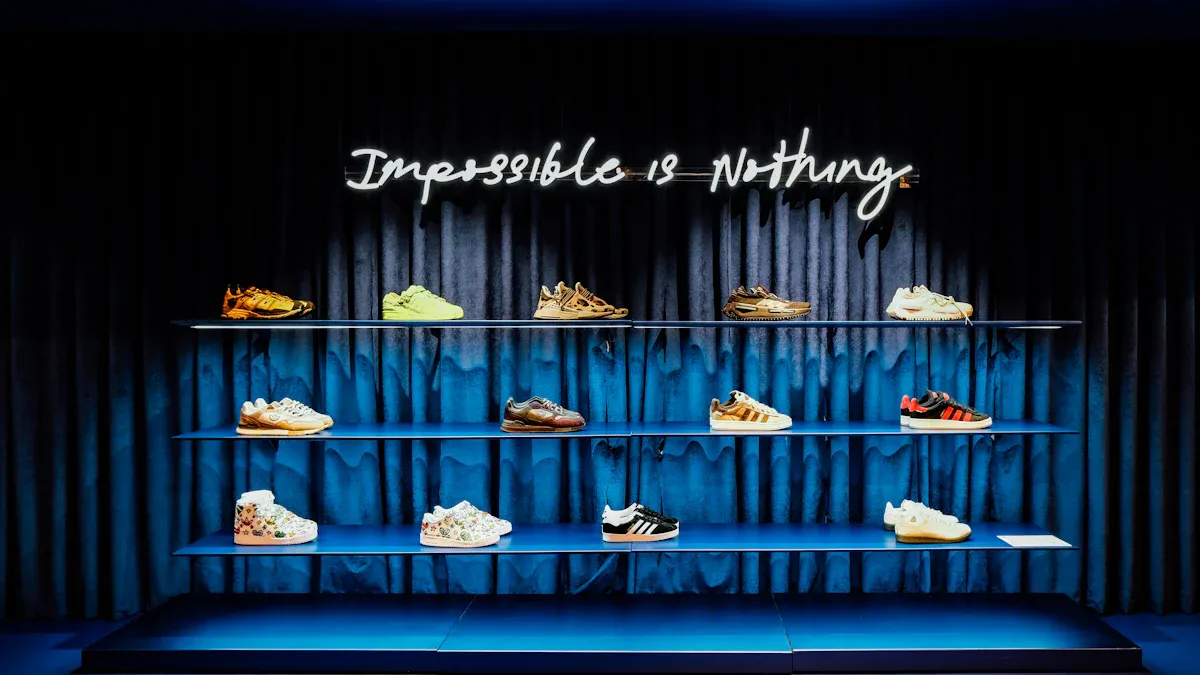
Strategic shelf layouts significantly influence customer behavior and can directly impact a store’s profitability. Businesses carefully design these layouts to guide shoppers, highlight products, and enhance the overall retail experience.
Strategic Use of Vertical Space
Retailers effectively use vertical space to maximize product visibility and accessibility. This approach ensures customers easily find desired items.
Maximizing Product Visibility
Vertical merchandising organizes products in vertical columns rather than horizontal rows. This technique aligns with how customers naturally scan shelves, typically from top to bottom. By arranging products vertically, retailers create organized and visually appealing displays. These displays guide customer shopping. Vertical displays ensure a range of products is visible at different eye levels. This increases the likelihood of catching a customer’s attention. Products placed at eye level generally sell better because they are more visible and accessible. Retailers use this prime space for high-margin or popular items. For children’s products, their eye level should be considered to maximize impact. Clear signage helps label different shelf sections. It highlights offers, special promotions, new arrivals, or bestsellers. This draws shopper attention to specific products and encourages purchases.
Utilizing Higher Shelves
Vertical merchandising allows retailers to use vertical space efficiently. It maximizes the number of products displayed without overcrowding shelves. This efficient space utilization benefits smaller stores especially. Businesses place high-demand and high-margin products at eye level to maximize visibility. Less popular items can be placed higher or lower. Cross-merchandising products vertically encourages additional purchases. For example, a convenience store could stack snacks above beverages. This boosts sales and enhances customer convenience. Retailers ensure shelves are always fully stocked and neatly arranged. Empty or disorganized shelves create a negative impression. Regularly changing product placement keeps displays fresh and interesting. This also helps identify which products perform better at different levels. Proper lighting highlights specific shelf sections. It makes products more attractive and draws customer attention to particular areas.
Customizing Retail Shelving
Customizing retail shelving helps businesses align displays with their brand identity and enhance the store’s atmosphere.
Matching Store Branding
Customization allows for selecting materials, colors, and finishes that perfectly align with a brand’s aesthetic. This creates a cohesive and memorable look. Whether a brand aims for a rustic, industrial, or minimalist vibe, shelving can reflect it. Modern features like digital screens or unique lighting integrate into the design. They create an engaging experience that makes a brand stand out. Retrofitting existing fixtures with upgrades like brighter, built-in LED lighting or new features like digital price tags modernizes a store’s appearance and functionality.
Enhancing Store Ambiance
Incorporating eco-friendly materials like reclaimed wood, recycled metals, or bamboo reflects brand values. This connects with conscious shoppers. Finishes and colors are crucial for tying the shelving system into the store’s overall design. They allow brand personality to shine through specific wood stains or powder-coated metals in signature brand colors. Integrating smart features like built-in LED lighting highlights products. Digital price tags allow for instant updates. Sensors for inventory management create a more engaging customer experience and streamline operations.
Guiding Customer Flow
Strategic shelf arrangements and store layouts effectively guide customer traffic. They create visually appealing paths and integrate experience zones.
Creating Visually Appealing Paths
Glass display cabinets act as focal points. They draw customer attention and encourage lingering. This enhances the shopping experience and potentially increases sales for highlighted items. Modular retail racks offer flexibility for reconfiguring store layouts. This improves traffic flow, increases product exposure, and boosts customer satisfaction. Balancing product visibility with adequate circulation space is crucial. Clear pathways prevent overcrowding. They make shopping more enjoyable and encourage longer visits and impulse purchases.
Integrating Experience Zones
Overcrowding deters customers. It leads to decreased traffic and sales. Regular layout assessments and customer feedback are essential to optimize spatial clarity. Advanced analytics tools like heatmaps and foot traffic analysis monitor customer movement. They identify high-engagement areas and pinpoint bottlenecks. This enables data-driven layout optimizations. Continuous layout analysis, integrating sales data and customer feedback, ensures store designs remain responsive to evolving customer needs. This improves operational efficiency and helps increase sales.
Ensuring Stock Availability
Retailers must consistently ensure product availability. This practice directly impacts customer satisfaction and sales performance. Empty shelves deter shoppers and create negative perceptions.
Preventing Empty Shelves
Empty shelves directly lead to lost sales. Over half of global e-shoppers report being unable to purchase due to out-of-stock issues. This directly results in lost revenue opportunities. Retailers globally lose an estimated $984 billion annually because of out-of-stock inventory situations. Forty percent of shoppers worry about stockouts during their shopping journey. Out-of-stock items account for 40% of lost sales. These unavailable items are the top reason customers leave stores without buying anything. Stockouts fundamentally damage the customer journey. They create negative shopping experiences. These experiences erode brand relationships. The psychological impact includes frustration for shoppers. They invest time in browsing and decision-making only to find items unavailable.
Maximizing Sales Opportunities
Ensuring consistent stock availability maximizes sales opportunities. When a product is unavailable, 66% of shoppers turn to a competitor. This damages loyalty and trust. Sixty-nine percent of online shoppers abandon their purchase entirely and shop with competitors when items are unavailable. This results in immediate revenue loss, future revenue decline, and increased marketing costs. Customer trust deteriorates with each stockout incident. Customers question the company’s reliability. This erosion of confidence affects brand perception. Customers view the retailer as disorganized. It also impacts repeat purchase rates, showing a 40% reduction after stockout experiences. Negative reviews and word-of-mouth damage social sharing. Eliminating out-of-stock situations significantly improves business outcomes. It has been shown to improve returns by 12.5%. It also increases consumer equity by 56.2% in the long run. Consistent availability builds customer loyalty and protects brand reputation.
Leveraging Technology and Data for Display Optimization
Modern retailers use technology and data to refine their shelf displays. These tools provide deep insights into customer behavior. They help businesses make informed decisions. This leads to more effective merchandising and increased sales.
Heat Mapping and Eye-Tracking
These advanced technologies offer a window into the customer’s mind. They reveal how shoppers interact with displays.
Understanding Customer Behavior
Heat mapping and eye-tracking technologies show which parts of a display capture attention. They identify ignored signage or display shapes and colors that grab attention. These tools determine which calls to action (CTAs) retain customer focus. They track how long a shopper takes to focus on a specific product. They also record the order of glances and the number of times an item is viewed. This reveals if shoppers saw, analyzed, or simply did not see products. The data shows how decided or undecided buyers are at the shelf. This includes the number of brands seen before purchase and gaze duration on specific brands versus competitors.
Identifying Hot Spots
Eye-tracking heatmaps visually represent where customers look. They show the duration of focus on products and what first catches their attention. Mouse clicks also track user interest, offering additional insights into product selection. Areas of Interest (AOIs) and Decision Time Analytics measure how quickly customers make decisions. This helps businesses understand purchase behavior and product appeal. Metrics like Visual Attention Index (VAI) and Time To First Fixation (TTFF) provide valuable data.
Inventory Management Integration
Seamless inventory management is crucial for display optimization. It ensures products are always available for purchase.
Ensuring Stock Availability
Integrating inventory data with display planning prevents empty shelves. Retailers know exactly what products are in stock and where they are located. This allows for quick restocking and avoids missed sales opportunities. Real-time data helps manage product flow efficiently.
Preventing Out-of-Stocks
Automated inventory systems predict demand. They trigger reorders before stock runs low. This proactive approach minimizes the risk of out-of-stock situations. It ensures popular items remain on display and available to customers.
A/B Testing Display Variations
A/B testing provides a scientific method for optimizing shelf displays. It compares different display strategies to see which performs best.
Data-Driven Improvements
Retailers test various display elements. They might compare different product arrangements, signage, or lighting. Data from these tests shows which variations lead to higher sales or better customer engagement. This allows for continuous, data-driven improvements.
Optimizing Layouts
A/B testing helps refine overall shelf layouts. Businesses can experiment with different aisle configurations or product groupings. They then measure the impact on customer flow and purchasing behavior. This iterative process ensures displays are always optimized for maximum sales.
Avoiding Common Mistakes to Increase Sales
Retailers often make common mistakes that hinder their ability to increase sales. Addressing these issues can significantly improve display effectiveness and customer engagement.
Overcrowding and Clutter
Overcrowded shelves and cluttered displays create a negative shopping experience. They overwhelm customers and hide products.
Overwhelming Customers
Too many products packed onto a shelf create visual noise. This makes it difficult for customers to focus on any single item. Shoppers feel overwhelmed when faced with excessive choices or a disorganized presentation. This can lead to decision fatigue, causing them to leave without making a purchase. A clean, uncluttered display guides the customer’s eye and simplifies their decision-making process.
Hiding Products
Clutter physically obscures products. Important features or even entire items become invisible when surrounded by too much merchandise. This means customers cannot easily find what they need or discover new products. Effective displays give each product enough space to stand out, ensuring visibility and accessibility.
Poor Lighting and Visibility
Inadequate lighting significantly impacts product perception and the overall store atmosphere.
Obscuring Products
Poor lighting makes products appear less attractive. It diminishes their perceived value and quality. Products in dimly lit areas often look dull or unappealing, regardless of their actual quality. This negatively impacts their appeal. A 2010 study in a grocery supermarket showed that improved lighting increased overall sales by 2%, as customers perceived products as fresher. Conversely, poor lighting makes products seem less fresh and attractive.
Creating a Dull Environment
Lighting conditions influence the perceived quality of products. Poorly lit displays fail to create a sense of luxury or value. They also negatively affect how long customers stay in a store. A dull environment does not invigorate shoppers or make them feel at home. This leaves shoppers uninterested and less likely to explore the store. The overall atmosphere of a retail space, crucial for branding and customer experience, suffers from poor lighting. It fails to establish a desired mood.
Inconsistent Branding
Inconsistent branding across shelf displays confuses customers and dilutes brand identity.
Confusing Your Audience
Inconsistent branding creates hesitation in customers. For example, using low-quality flyers with incorrect colors or pixelated images makes a brand appear unprofessional. Customers associate poor-quality marketing materials directly with the brand. This weakens overall trust. Over half of first impressions are visual. Customers instantly judge a company by its appearance. Inconsistent visual elements like fonts, colors, or logos signal disorganization or inauthenticity. This interrupts patterns that build trust.
Diluting Brand Identity
Consistent branding builds trust. Clear and consistent brand messaging can boost brand perception by up to 70%. Maintaining consistency in brand colors, fonts, logos, and messaging across all retail displays helps customers feel more confident in their purchasing decisions. Consistent brand presentation can increase revenue by up to 23%. It builds recognition and familiarity, which are core to consumer trust. The human brain is drawn to patterns. Consistent visuals create ‘processing fluency,’ making a brand feel safer and more credible. Inconsistencies raise subconscious questions about professionalism and reliability, diluting the brand’s identity.
Neglecting Regular Maintenance
Retailers often overlook the critical role of consistent maintenance for shelf displays. This oversight significantly impacts sales and customer perception. Displays require regular attention to remain effective.
Displays Losing Impact
Neglected displays quickly lose their ability to attract customers. Dust, grime, and disorganization make products appear less appealing. This directly affects sales. Damage to merchandise from dust, moisture, or contamination can result in unsellable inventory. This leads to lost revenue. For example, a dusty shelf makes a product seem old or undesirable, even if it is new. Malfunctions of display components, such as burnt-out lights or broken fixtures, further diminish a display’s effectiveness. These issues create a poor visual experience. They also lead to missed sales opportunities. Customers often bypass displays that appear neglected. They assume the products lack quality or the store lacks care.
Appearing Unprofessional
A poorly maintained retail environment projects an unprofessional image. This reduces customer satisfaction and trust. Customers spend less time in stores that appear dirty or disorganized. This leads to lower spending. Neglect also negatively impacts employee well-being. It can lead to increased illness, absenteeism, and decreased morale among staff. Furthermore, neglected displays increase liability exposure. Tripping hazards, sharp corners, falling items, or broken display parts can cause customer and employee injuries. These incidents can lead to slip-and-fall accidents, potential lawsuits, and higher insurance premiums for the company.
Retailers also face compliance risks. These include OSHA violations, health code infractions, and ADA concerns. A neglected store environment can damage the company’s reputation, especially through social media. Customers quickly share negative experiences online. This impacts public perception. Finally, neglecting maintenance leads to higher operational costs. Businesses incur expenses from more damaged inventory, increased maintenance, and the need for more frequent deep cleans. These factors collectively undermine a store’s professionalism and profitability.
Measuring the Impact of Improved Shelf Displays
Businesses must measure the impact of improved shelf displays. This ensures their strategies effectively increase sales. It also justifies future investments. Retailers use various metrics and feedback mechanisms to assess display performance.
Key Performance Indicators (KPIs)
KPIs offer quantifiable insights into display effectiveness. They help businesses understand what works.
Sales Volume Tracking
Tracking sales volume directly measures display success. Retailers quantify the increase in sales directly attributable to a display campaign. This is known as “Sales Lift.” They measure the difference in sales before, during, and after the campaign. This provides a direct measure of the display’s contribution to additional product movement. Businesses also track “On-Shelf Availability (OSA).” This KPI tracks how often products are available to customers. It ensures accessibility and maximizes sales potential by identifying and rectifying stock gaps.
Conversion Rate Analysis
Conversion rate indicates the percentage of shoppers who noticed a display and then purchased the product. A high conversion rate suggests effective messaging, design, and placement. These elements align with shopper needs. Retailers also use “Planogram Effectiveness KPIs.” These metrics evaluate how well store layouts drive performance. They include:
- Compliance Level: How closely stores follow planogram instructions.
- Share of Goods on Shelves: Ensuring optimal placement of high-demand products.
- Average Facings: Potential for assortment expansion.
- Return Rate: Profit contribution versus shelf allocation.
- Sales per Linear Meter: Profitability per unit of shelf space.
- Fixations and Gaze Points: Eye-tracking heatmaps show where shoppers look first.
- Stopping Power: Evaluates if displays are strong enough to halt shoppers.
Customer Feedback Mechanisms
Customer feedback provides qualitative insights into display perception. It helps businesses understand shopper experiences.
Surveys and Interviews
Retailers gather direct customer feedback. They use comment cards, online surveys, or face-to-face interactions. These methods collect opinions on store layout, product assortment, and the overall shopping experience. Businesses also collaborate with staff. Staff members often observe changes in customer behavior and preferences firsthand. They provide valuable insights for refining store layouts.
Observing Shopping Patterns
Observing shopping patterns reveals how customers interact with displays. Retailers employ tools like heat maps. Target, for example, uses heat maps to track customer traffic flow. This identifies underperforming sections for redesign. Businesses also analyze customer traffic and behavior within the store. This helps understand product popularity and areas needing redesign.
Return on Investment (ROI) Calculation
ROI provides a financial measure of display strategy success. It helps justify spending.
Assessing Display Effectiveness
Businesses commonly calculate the Return on Investment (ROI) for new shelf display strategies. They use the formula: (Retail Display Revenue – Retail Display Cost) / Retail Display Cost. This formula quantifies the financial return from display investments.
Justifying Future Investments
An investment in smart shelf technology, for instance, can yield a 20% ROI within 18 months. This includes combined savings and increased gross profit ranging from $20,000 to $30,000. This ROI is driven by several key financial factors:
- Reduced Stockouts: Ensuring product availability.
- Optimized Inventory Levels: Minimizing overstocking and understocking.
- Improved Pricing Accuracy: Instant digital price updates.
- Reduced Labor Costs: Automating tasks like inventory checks.
Strategic shelf display significantly increases sales. Businesses transform ordinary shelves into powerful sales tools. This requires focusing on customer psychology and practical merchandising. Data-driven optimization and avoiding common pitfalls are also crucial. These efforts create engaging retail environments and boost profitability.
JY Shop Fitting helps businesses create captivating retail spaces. They elevate store ambiance and enhance the overall consumer experience.
FAQ
What is the primary goal of effective shelf display?
Effective shelf display aims to attract customer attention. It simplifies product selection. This enhances the overall shopping experience. Ultimately, it drives increased sales for businesses.
Why is “eye-level is buy-level” a crucial merchandising principle?
Placing products at eye level maximizes their visibility. Customers naturally scan shelves at this height. This strategic placement often leads to higher sales. It captures attention more effectively than items placed too high or too low.
How do color and lighting influence customer purchasing decisions?
Color and lighting create an inviting atmosphere. They highlight key products. Strategic use of colors evokes specific emotions. Proper lighting draws the eye to particular items. This makes them stand out and appear more desirable.
What is the benefit of logical product grouping and cross-selling?
Logical product grouping enhances discoverability. It helps customers find what they need easily. Cross-selling facilitates impulse buys. It encourages customers to purchase complementary items, increasing transaction value.
Why is maintaining cleanliness and organization important for shelf displays?
Cleanliness and organization project professionalism. They build customer trust. A well-maintained store enhances shopping comfort. It encourages customers to browse longer and feel more confident in their purchases.
How can technology like heat mapping optimize shelf displays?
Heat mapping and eye-tracking reveal customer behavior. They show which parts of a display capture attention. This technology identifies “hot spots” where customers focus. Businesses use this data to optimize product placement and display design.
What common mistake should retailers avoid in shelf display?
Retailers should avoid overcrowding and clutter. Too many products overwhelm customers. Clutter physically hides items. This makes it difficult for shoppers to find what they need. It can lead to decision fatigue and lost sales.
How do businesses measure the impact of improved shelf displays?
Businesses track Key Performance Indicators (KPIs) like sales volume and conversion rates. They also gather customer feedback through surveys. Calculating Return on Investment (ROI) assesses the financial effectiveness of display strategies.