
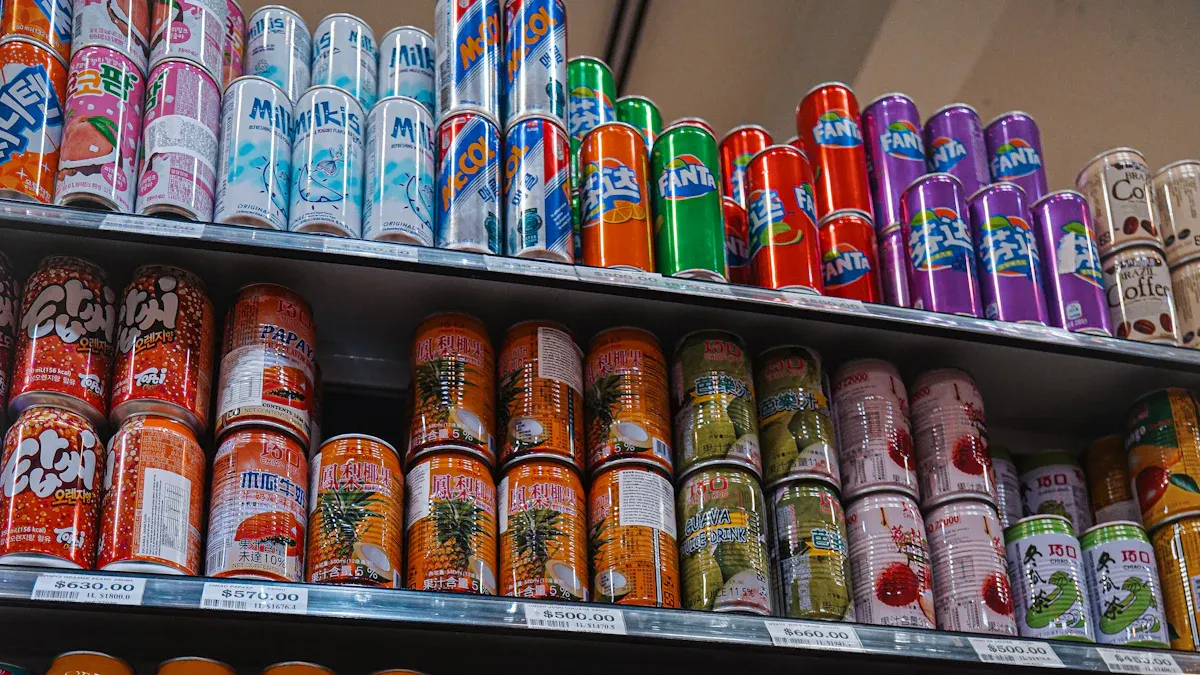
Strategic beverage and bottled water shelving significantly boosts sales. Effective shelving design directly impacts a store’s bottom line. For instance, strategic placement can lead to substantial sales volume increases across various beverage categories. 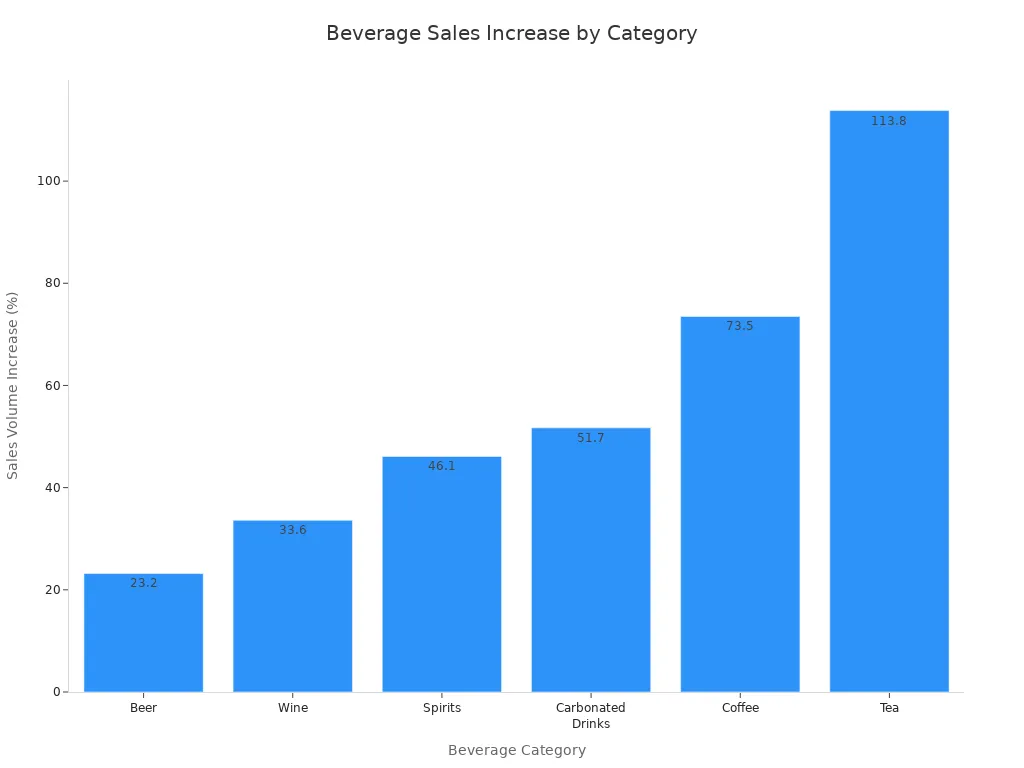 Intuitive and appealing displays enhance customer satisfaction. Thoughtful shelving design tips also improve daily store management. This leads to better operational efficiency for retailers.
Key Takeaways
- Strategic shelving boosts sales. It guides customers and makes shopping easy.
- Group products logically. This helps customers find items quickly.
- Place popular items at eye level. This makes them easy to see.
- Use gravity flow shelving. It keeps shelves full and reduces waste.
- Clear signs help customers. They show prices and product details.
- Design shelves for all shoppers. Make sure everyone can reach items.
- Keep displays clean and organized. This makes the store look good.
- Use technology like digital signs. They show deals and product info.
Strategic Product Placement for Effective Shelving Design Tips
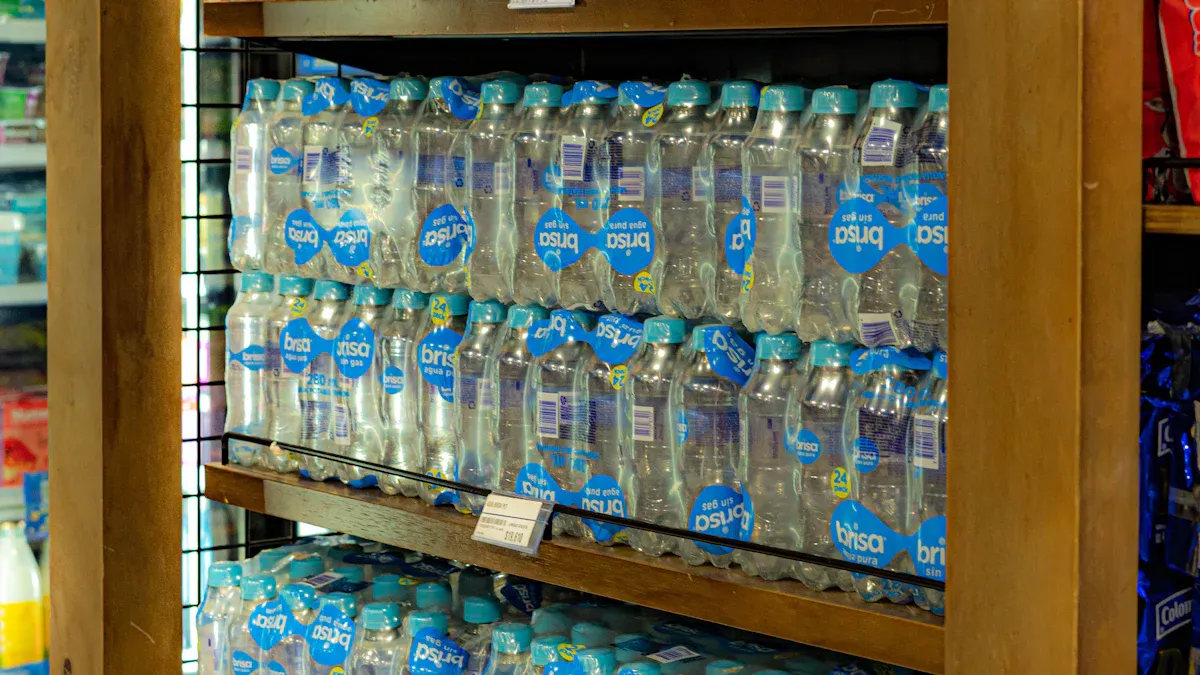
Strategic product placement significantly influences customer purchasing decisions. Effective shelving design guides shoppers through the store, making their experience intuitive and enjoyable. This approach maximizes sales opportunities for beverages and bottled water.
Grouping for Intuitive Customer Navigation
Organizing products logically helps customers find what they need quickly. This intuitive navigation enhances the shopping experience.
Category-Based Grouping for Beverages
Retailers should group soft drinks into logical categories. These categories include carbonated sodas, sports drinks, flavored waters, and energy drinks. This reduces customer confusion. Utilizing color-blocking techniques, such as green tones for energy drinks and blue for hydration drinks, visually guides customers. Positioning non-alcoholic drinks and juices along the store perimeter, near fruits and vegetables, emphasizes freshness and natural quality.
Brand-Specific Zones for Bottled Water
Creating dedicated hydration zones with clear branding helps customers make quick selections. Grouping functional waters, such as electrolyte and vitamin-infused options, together simplifies navigation. Clear signage differentiates flavors and benefits, like low-sugar or high-electrolyte products. For water, separate flavored water from classic mineral water. Distinguish between plastic and glass bottles. Place large bottles (5–10 liters) on bottom shelves, standard family packs (1–1.5 liters) at eye level, and smaller bottles (under 0.5 liters) at the top.
Complementary Product Pairing Strategies
Pairing beverages with complementary products encourages additional purchases. For example, placing bottled water near snacks or prepared foods can boost impulse buys. Establishing dedicated areas for alcoholic and non-alcoholic beverages also encourages browsing.
Enhancing Product Visibility and Appeal
Maximizing product visibility directly impacts sales. Attractive displays draw customer attention and encourage purchases.
Eye-Level Placement for High-Demand Items
Positioning popular products at eye level ensures maximum visibility. This strategic placement applies to high-traffic areas like store entrances or near checkouts. These locations maximize exposure for beverage coolers.
Front-Facing Techniques for Continuous Fullness
Ensuring shelves remain adequately stocked and products face forward presents a fresh and inviting appearance. This technique maintains a perception of continuous fullness, even during busy periods. Regular front-facing also reduces the need for constant restocking.
Effective Lighting Solutions for Product Highlight
Well-lit and clean coolers enhance product appeal. Effective lighting highlights products, making them stand out. Retailers can experiment with changing lighting within the unit to create unique presentations. This draws attention to specific items.
Leveraging Seasonal and Promotional Displays
Seasonal and promotional displays capitalize on consumer trends and special events. These displays create excitement and drive impulse purchases.
Holiday-Themed Arrangements for Beverages
Holiday-themed arrangements for beverages attract customers during festive seasons. These displays can feature seasonal drinks or special holiday packaging. They create a festive atmosphere in the store.
Summer Refreshment Zones for Bottled Water
Creating summer refreshment zones for bottled water captures seasonal peaks. Installing refrigerated displays in high-traffic areas, such as checkout zones, boosts impulse purchases during warmer months. These zones highlight refreshing options.
Event-Specific Promotions and Bundles
Event-specific promotions and bundles encourage larger purchases. Grouping multiple products, such as a snack with a beverage, often at a discounted price, increases average transaction value. Utilizing digital signage for real-time promotions and dynamic pricing displays engages customers effectively. These advanced Shelving Design Tips enhance customer interaction.
Optimizing Shelving Types for Beverage and Bottled Water Shelving Design Tips
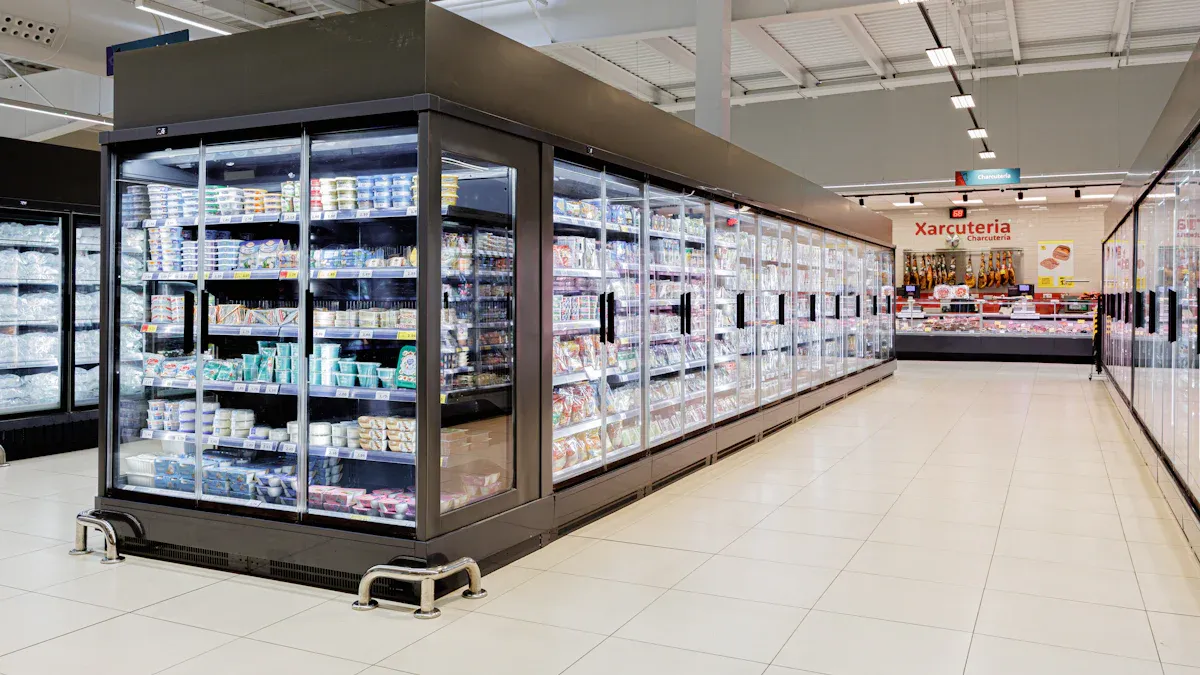
Selecting the right shelving types is crucial for maximizing sales and operational efficiency in beverage and bottled water sections. Different shelving solutions offer distinct advantages for product presentation, stock rotation, and customer access. Retailers carefully consider these options to enhance their store layout.
Gravity Flow Shelving Benefits
Gravity flow shelving offers significant advantages for high-turnover beverage products. This system ensures efficient product movement and maintains an organized appearance.
Ensuring First-In, First-Out Product Rotation
Gravity flow shelving utilizes an inclined design. New inventory loads from the rear. Older products automatically move forward due to gravity. This mechanism ensures a First-In, First-Out (FIFO) system. FIFO reduces waste and spoilage by guaranteeing older stock sells first. This also enhances compliance with food safety standards.
Maintaining a Constantly Full Appearance
This shelving type consistently presents a full and appealing display. Products always sit at the front of the shelf. This creates an inviting look for customers. It also improves customer access to front-facing products without reaching deep into the shelf.
Reducing Restocking Time and Effort
Gravity flow shelving reduces labor costs. It minimizes manual restocking and inventory management. Staff load new products from the back. This process is quick and efficient. The robust construction, often from commercial-grade steel or reinforced polypropylene, withstands the weight of full beverage cases. Adjustable width dividers allow customization for various can and bottle sizes, from 8-oz energy drinks to 2L soda bottles.
Cold Storage and Refrigeration Solutions
Effective cold storage solutions are vital for chilled beverages. They drive impulse purchases and maintain product quality.
Open-Air Coolers for Impulse Beverage Buys
Open-air coolers, like refrigerated air curtain merchandisers, offer easy grab-and-go access. They are ideal for cafes and convenience stores. Placing these units in high-traffic zones or near checkout counters increases visibility. This boosts impulse buys.
Glass-Door Refrigerators for Product Variety
Glass-door refrigerators provide excellent product visibility. They come in various sizes, such as 2-door or 3-door merchandisers. These units offer ample space for a wide range of beverages. LED lighting within these fridges makes products look more appealing. Clean lines and open views allow customers to see everything at a glance.
Walk-In Cooler Organization for Bulk Storage
Walk-in coolers are essential for bulk storage. They ensure a consistent supply of popular beverages. Efficient organization within these coolers supports quick restocking of display units. This minimizes shelf downtime and empty spaces.
Standard Adjustable Shelving Versatility
Standard adjustable shelving provides unmatched flexibility for diverse product offerings.
Accommodating Various Bottle Sizes and Shapes
Adjustable shelving systems accommodate various sizes and shapes of beverage containers. Retailers can move shelves up or down along the rack’s posts. This ensures a perfect fit for cans, bottles, and even tall wine bottles. Tempered glass shelves often offer multiple adjustment positions.
Flexibility for Layout Changes and Reconfigurations
This shelving type offers customization and adaptability. Businesses can easily reconfigure displays based on changing needs or seasonal promotions. This flexibility is beneficial for evolving product offerings.
Durability for Heavy Loads of Beverages
Standard adjustable shelving is durable. It handles the heavy loads associated with beverages. This robust construction ensures longevity and stability, even with frequent adjustments and restocking. These Shelving Design Tips enhance overall store functionality.
Enhancing Customer Experience Through Thoughtful Shelving Design Tips
Thoughtful shelving design significantly improves the customer experience. It makes shopping easier and more enjoyable. Retailers can create an environment that encourages purchases and builds customer loyalty.
Clear Signage and Labeling for Easy Shopping
Clear and concise signage guides customers efficiently. It helps them make informed purchasing decisions.
Price Point Visibility and Clarity
Customers need to see prices clearly. Retailers should use shelf data strips and sign holders. These accessories make promotions clear and attractive. They highlight deals and product information to boost sales.
Product Information and Nutritional Details
Provide all necessary information on labels. For “Grab N Go” items, include ingredients, pack date, net weight, allergy warnings, and nutrition information. Always verify state-specific food labeling requirements. This ensures compliance and transparency.
Promotional Callouts and Special Offers
Effective signage draws attention to special offers. Use branded graphics that align with product packaging for quick recognition. Implement headline signage with clear messages like “Just Arrived!” or “Limited Edition.” Utilize material-printed shelves to distinguish between different flavors or brands. Employ bright shelf tags to highlight beverage categories such as “Smart Hydration” or “Energy Boost.” Incorporate ISO-standard headers (e.g., “Chill,” “Boost,” “Refresh”) for improved product navigation. Group products by taste and occasion, using clear signage (e.g., “Sport Drinks,” “Functional Sodas”) to facilitate shopper discovery.
Accessibility and Ergonomics for All Shoppers
Shelving design must accommodate all customers. This includes individuals with mobility challenges.
Reachability for Diverse Customer Heights
Merchandise should be within a reach range of 15 to 48 inches (38.1 to 121.92 cm) for a forward reach. For a side reach, items should be between 9 to 54 inches (22.86 to 137.16 cm). This ensures accessibility for most shoppers.
Adequate Aisle Width Considerations
Aisles in retail stores must be at least 36 inches (91.44 cm) wide. This width accommodates wheelchairs and other mobility devices. For aisles serving fixed shelves, maintain a minimum clear width of 36 inches (91.44 cm). Intersections or ends of aisles require a clear turning space of at least 60 inches (152.4 cm) in diameter for wheelchair users. Wider aisles may be necessary for comfortable movement.
Preventing Obstructions and Clutter
Aisles should remain free from obstructions. Displays or merchandise should not block pathways. Floor surfaces must be stable, firm, and slip-resistant. Any level changes should be beveled or ramped at a slope not exceeding 1:12. Aisles need clear, high-contrast signage visible to both standing and seated customers.
Creating an Inviting and Organized Atmosphere
An inviting atmosphere enhances the shopping experience. It encourages customers to browse and buy.
Cleanliness and Orderliness of Displays
Maintain cleanliness by ensuring products are dust-free. Shelves should not be overcrowded. Aisles must remain clear and easy to navigate. This improves customer impression. Utilize high-end beverage and buffet ware to elevate beverage stations. This creates an inviting and memorable experience.
Aesthetic Appeal of Shelving Arrangements
Group beverages by category first, then by brand or flavor. This simplifies scanning and finding items. Prioritize visibility by placing popular products at eye level. Use endcaps or cooler doors for new arrivals or promotions. Dedicate space for seasonal and limited-edition drinks. Rotate them regularly to keep the display fresh. This encourages repeat visits.
Minimizing Visual Clutter for Focus
Minimize visual clutter to help customers focus. Use products like airpot coverups and gravity dispensers for a stylish setup. Employ Laser Cut ID Tents & Signs for clear labeling of each beverage option. This ensures guests easily find their preferred drink. These thoughtful Shelving Design Tips create a superior shopping environment.
Operational Efficiency and Maintenance in Shelving Design Tips
Effective shelving design extends beyond aesthetics. It significantly impacts a store’s operational efficiency and maintenance routines. Businesses must implement strategies that streamline daily tasks, ensuring smooth operations and high standards.
Streamlining Restocking Processes
Efficient restocking minimizes disruption and keeps shelves full. This directly contributes to customer satisfaction and sales.
Easy Access for Staff During Restocking
Staff require unobstructed access to shelves for quick and easy restocking. Organizing inventory by product type, such as grouping sodas and bottled water, facilitates quicker access. This organization allows staff to locate items faster and restock shelves efficiently.
Back-Stock Integration for Seamless Flow
Integrating back-stock effectively ensures a seamless flow of products to the sales floor. Implementing a First-In, First-Out (FIFO) system is crucial. This practice ensures older stock sells first, minimizing spoilage and waste. Clear labeling of arrival dates on products supports this system. Utilizing gravity roller shelves also helps. These shelves automatically slide bottles forward, improving organization and access while ensuring FIFO.
Minimizing Shelf Downtime and Empty Spaces
Minimizing shelf downtime and empty spaces is vital for maintaining a full appearance. Avoiding overstocking prevents disorganization and improves customer access. Regular checks and rearrangements of cooler shelves maintain a tidy display. This approach ensures products are always available for customers.
Ensuring Cleanliness and Hygiene Standards
Maintaining high cleanliness and hygiene standards is paramount, especially for food and beverage products.
Spill Management Solutions and Protocols
Retailers must establish clear spill management solutions and protocols. Quick response to spills prevents accidents and maintains a clean shopping environment. Staff training on proper cleanup procedures is essential.
Regular Cleaning Schedules and Practices
Implementing regular cleaning schedules ensures displays remain pristine. Daily cleaning of shelves and refrigeration units prevents dust and grime buildup. This practice enhances product appeal and customer confidence.
Durable, Easy-to-Clean Shelving Materials
Choosing durable, easy-to-clean shelving materials simplifies maintenance. Materials like commercial-grade steel or reinforced polypropylene withstand heavy loads and frequent cleaning. These materials contribute to long-term hygiene and operational efficiency.
Inventory Management Integration
Effective inventory management is central to operational success. It ensures product availability and reduces waste.
Space Allocation Based on Sales Data
Allocating shelf space based on sales data optimizes product placement. High-demand items receive prominent positions and ample space. This strategy maximizes sales potential and reduces the need for frequent reconfigurations.
Preventing Out-of-Stocks for Popular Items
Preventing out-of-stocks for popular items is critical. Keeping an inventory log, whether through sheets or digital tools, helps track stock levels. This tracking aids in timely reordering and identifies usage patterns. Regular audits ensure inventory accuracy and up-to-date records. These Shelving Design Tips help maintain consistent product availability.
Efficient Stock Rotation for Freshness
Efficient stock rotation ensures product freshness. The FIFO method, where newer stock goes behind older stock, is key. This practice reduces expiration risks and maintains product quality.
Advanced Technology Integration in Shelving Design Tips
Modern retail environments leverage advanced technology to optimize beverage and bottled water shelving. These innovations enhance customer engagement, streamline operations, and improve inventory accuracy. Integrating these tools creates a more dynamic and efficient retail space.
Digital Signage for Dynamic Promotions
Digital signage transforms static displays into interactive promotional hubs. It captures customer attention and drives sales.
Real-Time Price Updates and Offers
Digital signage effectively showcases discounts and exclusive promotions with compelling visuals. This creates urgency and encourages immediate purchases, such as a ‘Deal of the Day’ for selected beverages. It allows for instant content updates, crucial for flash sales or sudden changes. Digital displays can achieve up to 400% more views than static displays.
Engaging Product Information Displays
Digital signage optimizes beverage stations by enabling upselling and cross-selling of complementary items. It can also display detailed nutritional information, including calories, sugar, and allergens. This guides customers to product locations, enhancing convenience and ease of purchase. Retailers can introduce new or popular beverage items using high-definition images and videos. This offers a visually appealing way for customers to discover unique offerings like premium wines or craft beers.
Interactive Customer Experience Features
Dynamic digital signage captures attention with moving images and interactive messages. This leads to longer viewing times and boosts brand awareness by 47.7%. Signage can adapt content based on factors like time of day or weather. This offers personalized displays, such as iced drinks on hot afternoons, that resonate with viewers. Digital displays can also provide valuable educational content, such as wine and cheese pairings or cocktail recipes. This enhances the customer experience and potentially increases sales of new products.
Inventory Tracking Systems for Precision
Advanced inventory tracking systems provide unparalleled precision in managing beverage stock levels. They reduce waste and improve efficiency.
Automated Stock Level Monitoring
Real-time inventory tracking data, including past sales, usage patterns, and seasonal shifts, allows businesses to avoid overordering and waste. This enables fine-tuning ordering processes and adjusting stock levels for seasonal changes. Restaurants using these tools often see a a 4% drop in food costs. Inventory control systems use real-time data and insights to analyze sales data and inventory trends. This eliminates guesswork and allows businesses to prepare for peak selling seasons, thus avoiding product sellouts or overstocking.
Predictive Ordering and Replenishment
Real-time inventory tracking provides precise, up-to-the-minute information. This enables smarter purchasing decisions. For instance, Pinza, a pizza chain, achieved an 85% reduction in inventory variance by using a real-time system through regular updates of stock counts, wastage, and invoices. Improved demand forecasting and better traceability are also key benefits. Unique identifiers like barcodes and serial numbers, combined with real-time tracking, enable precise monitoring of specific products throughout their lifecycle.
Reducing Manual Inventory Checks
Automating inventory tracking with real-time data reduces manual errors and speeds up processes. Nando’s, a restaurant chain, saw a 15% reduction in operational costs after implementing a real-time system. This resulted from decreased labor hours and fewer inventory management errors. Real-time inventory systems offer data for enhanced financial forecasting and budgeting. They also ensure compliance and safety by tracking batch numbers and serial numbers, generating real-time reports.
Smart Shelf Sensors for Optimized Management
Smart shelf sensors offer a proactive approach to managing beverage inventory. They ensure product availability and optimize display performance.
Real-Time Sales Data Collection
Smart shelf technology, equipped with RFID sensors, continuously tracks inventory levels. This system provides real-time data on product movement and sales.
Alerting Staff to Low Stock Levels
The system notifies staff about stock depletion before products run out. This is directly applicable to optimizing beverage management by ensuring items are always available. Staff receive immediate alerts, allowing for timely restocking.
Analyzing Customer Interaction with Products
Smart sensors can also gather data on customer interaction. They track which products customers pick up or examine. This provides valuable insights into consumer preferences and display effectiveness.
Sustainability and Future-Proofing Shelving Design Tips
Retailers increasingly prioritize sustainability and future-proofing in their shelving designs. These considerations reduce environmental impact and ensure long-term adaptability. Thoughtful planning creates resilient and responsible retail spaces.
Sustainable Shelving Practices
Sustainable practices minimize ecological footprints. They also enhance a brand’s image.
Eco-Friendly Material Choices for Fixtures
Selecting eco-friendly materials for shelving fixtures significantly reduces environmental impact. Retailers can utilize Beetle Kill Pine, repurposed wood from trees destroyed by the Mountain Pine Beetle epidemic. Plywood panels made from post-harvest rice straw waste offer an extremely eco-friendly option for shelf bottoms. Recycled acrylic works well for signs; it comes from recycled material and can be recycled again. Metal, a recyclable material, serves effectively for yellow shelf fences. Packaging often uses 100% recycled paper-based packing wrap and corrugated boxes, avoiding plastic. Natural materials like wood and stone also integrate into retail displays. Some innovative systems even use recycled glass bottles as a core component in modular shelving, often alongside found timber.
Energy-Efficient Refrigeration Units
Energy-efficient refrigeration units play a crucial role in sustainable beverage displays. These units consume less electricity, lowering operational costs and reducing greenhouse gas emissions. Investing in models with advanced insulation and smart temperature controls provides significant long-term benefits.
Waste Reduction Strategies in Display
Implementing waste reduction strategies in display design minimizes material consumption. Retailers can choose reusable or modular display components. They also design displays for easy disassembly and recycling. This approach reduces landfill waste and promotes a circular economy.
Future-Proofing Your Layout
A future-proof layout adapts to change. It supports business evolution and market shifts.
Adaptability to New Product Introductions
Shelving systems must adapt to new product introductions. Flexible designs allow for quick reconfigurations. This accommodates new beverage types, sizes, or packaging without extensive overhauls. Adjustable shelves and modular units provide this essential versatility.
Scalability for Business Growth and Expansion
Designing for scalability ensures the layout supports business growth. Retailers can choose systems that easily expand or contract. This allows for efficient space utilization as inventory levels or store footprints change. A scalable design prevents costly renovations later.
Responsiveness to Evolving Consumer Trends
Consumer trends constantly evolve. Shelving designs must respond quickly to these shifts. For example, a layout can easily highlight new health-conscious beverages or popular seasonal drinks. This agility keeps the store relevant and appealing to its target audience.
Businesses must implement strategic shelving designs for beverages and bottled water. They prioritize customer experience and operational efficiency. This approach enhances sales and customer satisfaction. Retailers should continuously adapt and innovate shelving strategies. This ensures sustained success in a dynamic market. JY Shop Fitting provides expert solutions for these critical retail needs.
FAQ
How does strategic shelving impact beverage sales?
Strategic shelving significantly boosts sales. It guides customers, making shopping intuitive. This approach maximizes sales opportunities for beverages and bottled water. Retailers see increased sales volume across various categories.
What are the main benefits of gravity flow shelving?
Gravity flow shelving ensures First-In, First-Out (FIFO) product rotation. It maintains a constantly full appearance, which attracts customers. This system also reduces restocking time and effort for staff.
How do retailers enhance product visibility on shelves?
Retailers place high-demand items at eye level for maximum visibility. They use front-facing techniques to maintain a full and inviting appearance. Effective lighting solutions also highlight products, making them stand out.
What is the purpose of digital signage in beverage displays?
Digital signage provides real-time price updates and offers. It displays engaging product information, like nutritional details. This technology creates interactive customer experiences, capturing attention and driving impulse buys.
How can shelving designs be more sustainable?
Sustainable shelving uses eco-friendly materials for fixtures, such as recycled wood or metal. Retailers also invest in energy-efficient refrigeration units. Implementing waste reduction strategies in display design further minimizes environmental impact.
Why is clear signage important for customer experience?
Clear signage helps customers find products easily. It provides price point visibility and important nutritional details. Promotional callouts and special offers also guide shoppers, enhancing their overall shopping experience.
How do businesses ensure efficient stock rotation for freshness?
Businesses use the First-In, First-Out (FIFO) method. Newer stock goes behind older stock. This practice reduces expiration risks and maintains product quality. Gravity flow shelving also supports efficient stock rotation.
What advantages do smart shelf sensors offer?
Smart shelf sensors provide real-time sales data collection. They alert staff to low stock levels, preventing out-of-stocks. These sensors also analyze customer interaction with products, offering valuable insights into preferences.